
Near the start of the trail, the air picks up a faint smell of sulfur, and thin white steam rises from the ground between the trees. Rincon de la Vieja is a volcano in Guanacaste, in the northwest of Costa Rica, and its summit spends much of its time wrapped in cloud.
Below it, the national park folds together dry forest, bubbling mud, hissing vents and waterfalls. It suits travelers who want a day on foot rather than a day beside a pool.
Is visiting Rincon de la Vieja National Park worth it?
Yes, if you like walking and want to see a working volcano landscape up close, and especially if you are happy to plan ahead. The park rewards people who enjoy a steady trail, a bit of mud on their boots and the pleasure of not knowing what the weather will do. It is less suited to anyone who wants a viewpoint they can reach in ten minutes from a car.
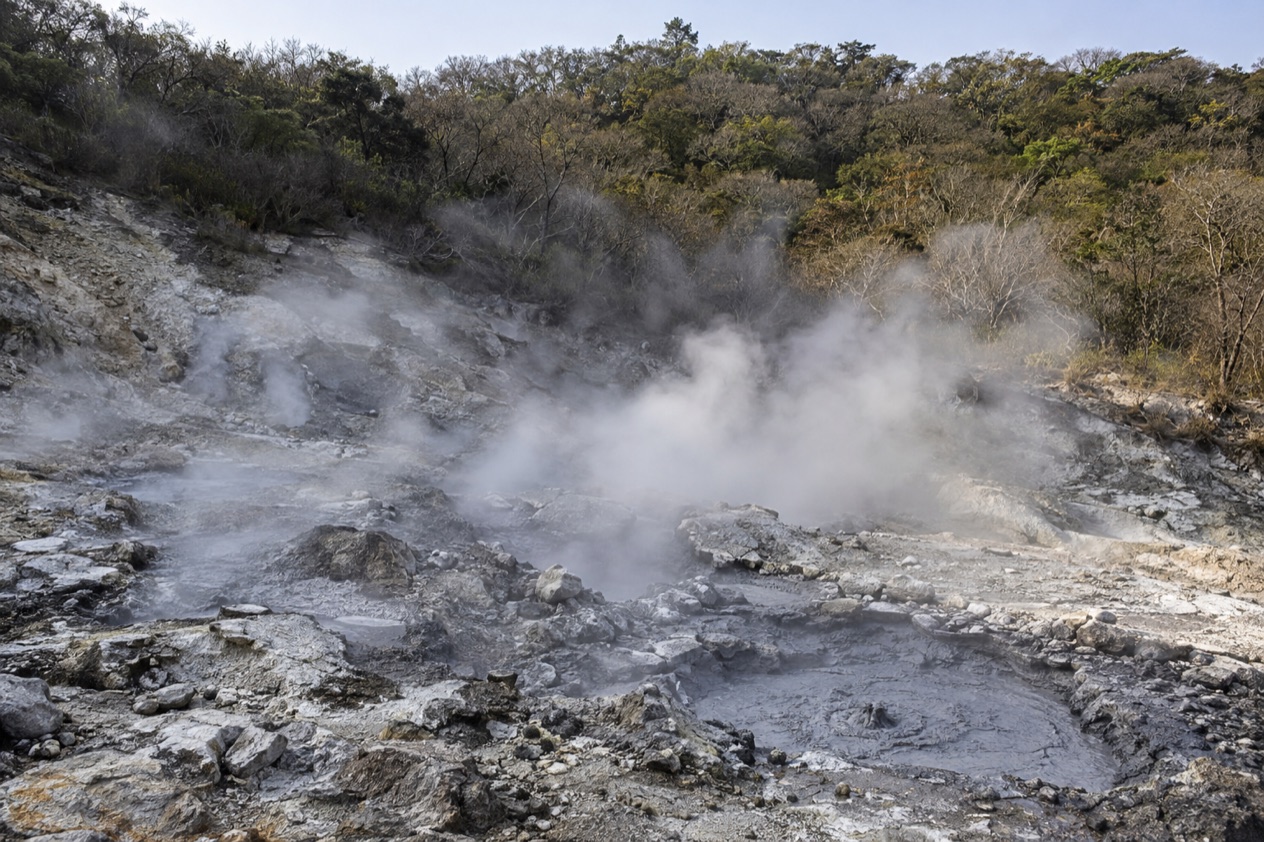
What sets it apart from other volcano stops in Costa Rica is that the geology is something you walk through, not something you look at from a rail. Fumaroles breathe steam beside the path, mud pots plop and bubble, and the forest around them changes from open and sunny to shaded and dripping within a short stretch. The park counts nine volcanic cones in all, so the mountain is a whole massif rather than a single tidy peak.
Many visitors come from the beach towns and resorts of the Guanacaste coast looking for a change of scene, and the contrast is a big part of the appeal. Down on the coast it is sand and surf.
Up here it is cooler under the trees, scented with sulfur, and noisy with birds and insects. The summit is often in cloud, so think of the volcano as the backdrop and the trails as the main event.
The park also asks more of you than a drop-in sightseeing stop. Entry requires an online reservation, and hiking in national parks calls for registration, an entry permit and a certified tour operator. That makes it a trip you arrange, which most people find well worth the small effort.
What to see at Rincon de la Vieja National Park
The park is organized around two sectors, Pailas and Santa Maria, each with its own character and its own trails. Most visitors pick one for a day, and the choice shapes what you will see: thermal features in one, a quieter forest approach in the other.
Las Pailas: fumaroles and mud pots
This is the classic walk, and the reason many people come. The trail to Las Pailas is 1.5 miles long, looping through open, sun-bleached ground and patches of forest where the earth steams and gurgles. The name refers to the pots, the bubbling pools of gray mud that burp and splatter as gas rises through them.
Look for the fumaroles, small vents that release steam with a soft hiss, and for the way plants cling around the hot ground. Go slowly and keep to the marked path, since the ground near the vents is not something to wander across. Birds and the occasional troop of monkeys often turn up along the forest stretches, though wildlife is always a chance rather than a promise.
The waterfalls: La Cangreja and the Encantado Forest
Two waterfall walks give the park its green side. The trail to La Cangreja Waterfall is 3 miles long, a longer outing that suits people who like a destination at the end of the walk. Falling water, cool shade and the sound of the forest make it a pleasant contrast to the dry, steamy ground around the mud pots.
The Encantado (Enchanted) Forest Waterfall is a much shorter walk, at 3500 ft, and a good fit for travelers with less time or younger legs. The name fits, with dense trees, hanging vines and a damp, hushed air. Paths in wet forest can be slippery, so shoes with grip matter more than anything else you pack.
Santa Maria sector and Los Jilgueros lagoon
The Santa Maria sector is the other doorway into the park, and it feels quieter and more rural than the thermal circuit. From here a trail of 4.5 miles links Santa Maria to the Pailas area, a serious day on foot that crosses changing forest and open ground. It is a route for confident hikers and one more reason the park rewards planning.
The park also holds a lagoon called Los Jilgueros, a reminder that the volcano’s slopes hide more than the famous steam vents. Think of this side of the park as the place to slow down, watch birds and enjoy the forest without the pull of one headline sight.
The Von Seebach craters and the upper volcano
Before planning a high-country hike, confirm whether the trail to the Von Seebach craters is open. This is a different kind of walk from the lowland loops, with thinner air, bare rock and weather that changes quickly. Because the summit is so often in cloud, treat any view as a bonus.
Hikers heading up should register with the park, have an entry permit and use a certified tour operator. Going with a certified guide also brings someone who knows how the mountain behaves and what each feature is, which adds a lot to the walk.
Hours, tickets and rules
The two sectors keep different schedules, and Pailas has a weekly closing day that Santa Maria does not. Both require an online reservation made through the national park system, so a spontaneous arrival at the gate is not how this park works.
| Site | Open | How to book |
|---|---|---|
| Pailas Sector | Tuesday to Sunday, 7 a.m. to 3 p.m. | Online reservation required |
| Santa María Sector | Daily, 8 a.m. to 4 p.m. | Online reservation required |
Entry tickets for many national parks, including this one, are bought and reserved online through the SINAC service at serviciosenlinea.sinac.go.cr. To hike in national parks, you should register with the park, have an entry permit and use a certified tour operator. The Costa Rica Tourism Institute provides a list of Certified Tour Guides for anyone choosing one.
How to get to Rincon de la Vieja National Park
The park sits at the foot of the Rincon de la Vieja volcano in Guanacaste, in the northwest of the country. That puts it within reach of the Guanacaste coast and its beach towns, which is where many visitors are staying when they decide to add a volcano day.
There are two entrances, one for each sector. Pailas and Santa Maria are separate approaches to the same mountain, so decide which sector you have reserved before you set out.
Travel times and road conditions depend on where you start, and rural Costa Rican roads often take longer than a map suggests. Build in a relaxed margin, since the opening hours are fixed and the trails reward an early start. If you would rather not navigate, arrange transportation before you set out.
Once inside your chosen sector, you explore its trails on foot. The trails range from short forest strolls to the long link between Santa Maria and the Pailas area, so match your route to your energy and your time.
When to visit Rincon de la Vieja National Park
Go early in the day. The park opens in the morning, and the first hours on the trail are cooler, quieter and kinder to anyone walking across open volcanic ground. Cloud also tends to gather around the summit as the day goes on, so morning gives you the best chance of seeing more of the mountain.
Guanacaste follows a pattern of a drier stretch from about December to April and a greener one from about May to November, when rain usually falls in the afternoon. In the drier months the trails are firmer and the countryside turns golden and dusty. In the green months the forest is lush, the waterfalls are at their fullest, and an early start lets you finish the walk before the showers arrive.
Neither season is wrong for this park. Dry months suit people who want easier footing and more open views, while green months suit those who like flowing water, bright foliage and fewer crowds. Never count on a clear summit in any month, because the cloud sits there often.
Plan your day around the schedule too. Pailas is closed one day a week, so the easiest way to avoid disappointment is to choose your date first, reserve online, and then fit the rest of your Guanacaste itinerary around it. Weekdays outside holiday periods are a sensible choice for a calmer walk.
Tips for your visit
Wear closed shoes with real grip, since forest paths can be wet and the ground near the thermal features is uneven. Bring water, a hat, sunscreen and a light rain jacket, because sun and shower can follow each other within an hour. Insect repellent is useful under the trees, and a small daypack keeps your hands free on the trail.
Walk the Pailas trail at an unhurried pace, stopping to watch the mud pots and listen for birds. If you want a waterfall as well, choose between the short Encantado Forest walk and the longer La Cangreja trail based on your energy and the weather. Doing everything in one day is ambitious, so pick one or two highlights and enjoy them.
Families with older children usually enjoy the short walks, where steam vents and bubbling mud hold their attention. The longer trails and the high route to the Von Seebach craters are better left to confident hikers. Anyone with limited mobility should think carefully before setting out, since the paths are natural trails with roots, mud and slopes.
Because hiking involves a certified tour operator, a guide is a natural way to see more. They can point out animals, explain the steam and mud, and set a pace that suits your group. The Costa Rica Tourism Institute lists certified guides, which is the place to start when choosing.
After the walk, the Guanacaste lowlands are the obvious next stop, with a long lunch, a cold drink and a swim in a hotel pool. Keep the evening easy, because a morning on volcanic trails is more tiring than it sounds.
Good to know before you go
The U.S. State Department rates Costa Rica Level 2, ‘Exercise increased caution,’ due to crime; it says petty crime is common throughout Costa Rica and that violent crime also affects tourists, including armed robbery, homicide and sexual assault.
Carry what you need for the day and keep your belongings close, as you would at any busy stop. Settle your reservation, your guide and your plan before you set out. Rules and conditions in national parks can change, so the park’s official booking page is the place to confirm the details for your date.
Sources
- Costa Rica Tourism Board (ICT), Rincon de the Vieja Volcano National Park (https://visitcostarica.com/where-to-go/protected-areas/rincon-de-la-vieja-volcano-national-park), checked October 8, 2026
- SINAC (Costa Rica national parks authority), online reservations (https://www.sinac.go.cr/ES/resvlinea/Paginas/default.aspx), checked October 8, 2026
- U.S. Department of State, Costa Rica Travel Information, Safety and security (https://travel.state.gov/content/travel/en/international-travel/International-Travel-Country-Information-Pages/CostaRica.html), checked October 8, 2026
- U.S. Department of State, Costa Rica Travel Advisory, issued April 1, 2026 (https://travel.state.gov/content/travel/en/traveladvisories/traveladvisories/costa-rica-travel-advisory.html), read via the State Department open data API on October 8, 2026
To plan your stay
- Best Time to Visit Costa Rica: Dry and Green Seasons, Weather by Region and Festivals
- Where to Stay in Costa Rica: Beach Towns, Cloud Forest, Volcano Views and Which Base Fits Your Trip
- Costa Rica Airports: San Jose or Liberia? Beaches, Drive Times and Getting to Your Hotel
- Know Before You Go to Costa Rica: Entry Rules, Money, Getting Around and Local Customs