
Before you see the river mouth in Dangriga, you hear it: a hand drum somewhere down a side street, a rhythm picked up by a second drum, then a voice in Garifuna. The town sits where the North Stann Creek River meets the Caribbean, and its days run on the rhythm of fishing boats, cassava graters and drum practice. It is the Garifuna cultural center of Belize, and it suits travelers who want music, food and a gateway to the southern cayes, the rainforest and the reef.
What are the best things to do in Dangriga?
The best things to do in Dangriga are to meet Garifuna culture where it lives, in drums, dance, language and cooking, and then use the town as a base for boats to the cayes and trips into the hills. Dangriga is the capital of the Stann Creek District and is often called the culture capital of Belize. It is a working town of about 9,500 people, not a resort strip, and that is much of its appeal.
Mornings tend to belong to the waterfront and the market streets, where you see how a Garifuna town goes about its day. Boats leave for the southern cayes, and the Maya Mountains rise to the west with waterfalls and a jaguar preserve tucked into their forests. The evenings belong to music and a plate of something cooked in coconut.
- Garifuna Settlement Day in November turns the whole town into a stage for drumming, dance, processions and the story of the Garinagu arrival in Belize.
- Drum makers and a Garifuna museum explain the instruments, the language and the history behind the music.
- A boat to South Water Caye, Tobacco Caye or Glover’s Reef Atoll puts you on the Belize Barrier Reef, a World Heritage Site.
- Bocawina National Park offers ziplining, waterfall rappelling and a hike to Antelope Falls.
- Cockscomb Basin Jaguar Preserve lies within easy driving distance and protects forest where wildlife lives.
- Hopkins, a Garifuna village in the same district, adds another stretch of coast and more drumming.
- A plate of hudut, fish in coconut broth with mashed plantain, is the dish that tastes most like Dangriga.
Sights and landmarks in Dangriga
The sights in Dangriga are less about monuments than about living culture: a drum workshop, a museum, a riverside walk and a calendar anchored by one great holiday. The town rewards slow wandering. Wooden houses on stilts, painted in strong colors, line streets that open toward the sea, and the creek mouth gives the center a natural edge.
Garifuna Settlement Day
Dangriga’s great day is Garifuna Settlement Day, a public holiday in Belize celebrated each year on November 19, marking the arrival of the Garinagu in Belize. The holiday was created by the Belizean civil rights activist Thomas Vincent Ramos in 1941. It was recognized in the southern districts in 1943 and declared a national holiday in 1977, and Dangriga is the town where it feels most like home.
Expect drumming in the streets, dancers in traditional dress, songs in Garifuna and families gathered along the waterfront. The celebration often begins well before dawn with a reenactment of the landing by boat, followed by a procession and church services. Because the whole town takes part, this is the moment when the culture is most visible, and a visitor is welcome to watch and listen.
Drums, music and a Garifuna museum
Music is the reason Dangriga is called the culture capital of Belize, thanks to its influence on punta music and other forms of Garifuna culture. In 2001 UNESCO proclaimed the language, dance and music of the Garifuna a Masterpiece of the Oral and Intangible Heritage of Humanity. That recognition rests on what you hear here: call-and-response singing, layered drums and dances passed down in families.
Traditional Garifuna dancers can be seen in Dangriga, and drum makers still carve and stretch skins for the big drums used in ceremony. A Garifuna museum in town gives the story of the people with instruments, photographs and everyday objects. The modern side is just as lively, since artists such as Andy Palacio, Mohobub Flores and Aurelio Martinez helped bring Garifuna music to new audiences.
The waterfront and the river mouth
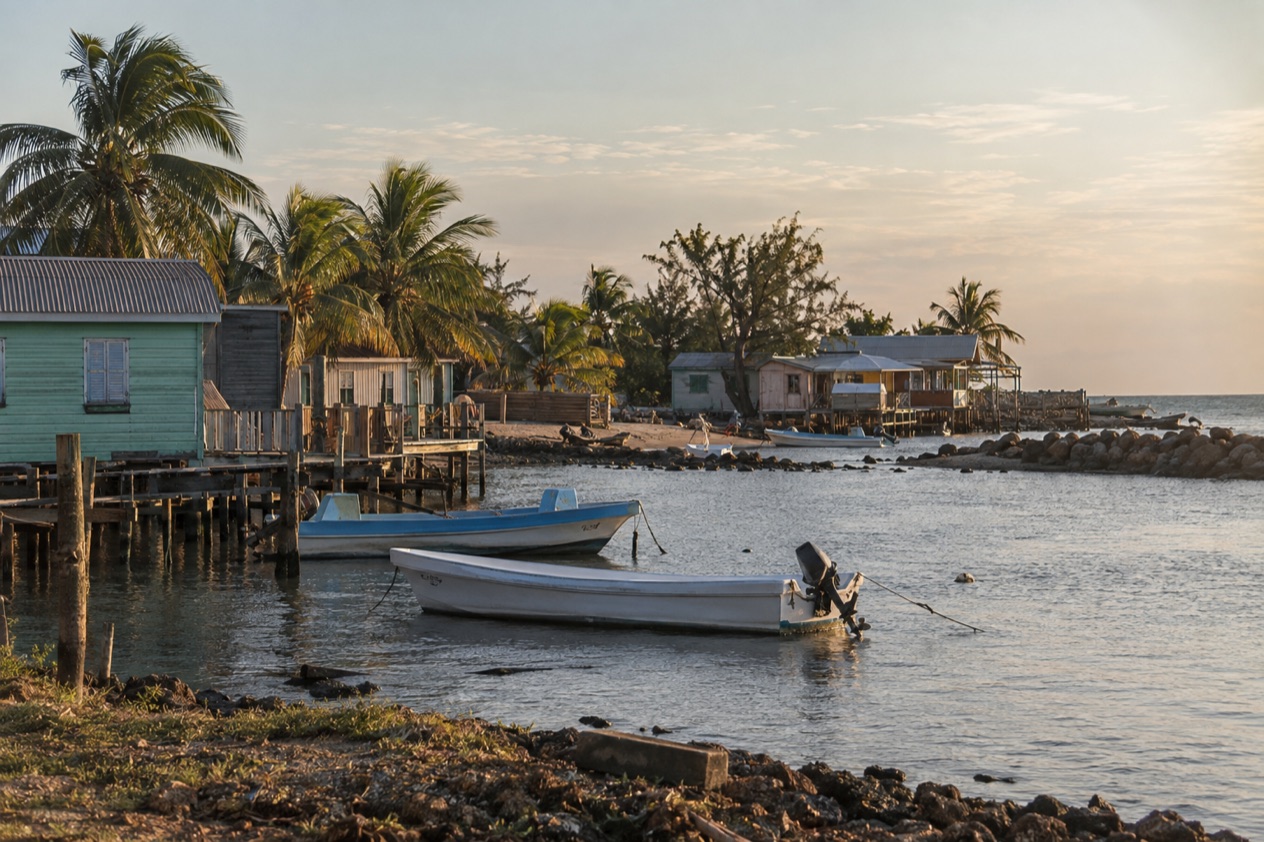
Walk to the water, where the North Stann Creek River reaches the sea, and the town makes sense. Fishing boats rest at their moorings, pelicans sit on pilings and men repair nets in the shade. The sea breeze moves through the waterfront streets, and the horizon holds the line of the reef and islands beyond.
This is also where you see Dangriga’s everyday life: children heading home, neighbors talking from verandas, a vendor with a cooler of cold drinks. The Maya Mountains are visible behind the town on clear days, and the contrast between hills and sea explains why the region offers so much to do. A late afternoon walk here, when the light softens on the water, is one of the simplest pleasures of a stay.
Around town: markets, churches and the old port
Beyond the main sights, Dangriga is a town for browsing. Small shops sell cassava bread and hot sauce, craft stalls carry carved drums and woven baskets, and bakeries turn out coconut sweets. Churches host music that blends Catholic hymns with Garifuna rhythm, and neighborhood bars play punta through open doors.
South of the center, about 1.5 miles from town, lies Commerce Bight Port. It is not operational now, but the area is a reminder that Dangriga has always looked to the sea. Today boats for the cayes and the reef carry the town’s connection to the water.
Beaches and outdoor things to do in Dangriga
The outdoors around Dangriga splits in two: the reef and cayes to the east, the rainforest and waterfalls to the west. The town is flanked by the Maya Mountains and fertile rainforests on one side, and by islands and the Belize Barrier Reef on the other. The town’s own waterfront is a working harbor, so the beaches and islands you came for are a boat ride away.
South Water Caye and its marine reserve
From Dangriga, travelers can take a short boat ride to South Water Caye, one of the southern cayes. It lies within South Water Caye Marine Reserve, which covers 117,875 acres of mangrove and coastal ecosystems in the Stann Creek District. The reserve was designated in 1996 by the Belize Fisheries Department and is an IUCN category IV Habitat/Species Management Area.
The reserve is part of the Belize Barrier Reef System, a World Heritage Site, and that is the draw. Palms lean over white sand, mangroves fringe the quieter edges and the reef lies offshore. It suits travelers who want an island day or stay built around the water and the shoreline rather than around nightlife.
Tobacco Caye
Tobacco Caye is a tiny island about 10 miles east of Dangriga, reached by boat from the mainland. It covers roughly three acres, with a permanent population of about 20 and five small lodges. You can walk around the whole island in a few steps, and the pace is set by hammocks, shared meals and the sound of the water.
The appeal here is simplicity: no road, no crowds of day trippers, just a palm-fringed island with the reef close by. It suits travelers who want to stay put and let the island set the schedule. Pair it with a day on the mainland for drums, waterfalls or the preserve.
Glover’s Reef Atoll
Glover’s Reef Atoll is also reached by boat from Dangriga and sits farther out on the barrier reef system. An atoll is a ring of reef around a lagoon, and the sense of being far from the mainland is part of the experience. The open sea and the reef edge define the landscape, with little else in view.
This is a destination for travelers drawn to the reef itself and the remoteness it brings. The boat ride out is part of the journey, and the horizon of water and sky around you is unlike the mainland coast. It rewards those who want the reef as the main event.
Bocawina National Park
In Bocawina National Park, visitors can go ziplining, waterfall rappelling and hike to Antelope Falls. The park sits in the forested hills of the Stann Creek District, where the Maya Mountains drop toward the coast. Expect dense green forest, the sound of birds and the roar of falling water as you approach the falls.
The park suits travelers who want a day of movement after time on the water: cables through the canopy, a rope descent beside a waterfall, a trail with a reward at the end. It also pairs naturally with the cayes, since the same district holds both the forest and the reef.
Day trips from Dangriga
The best day trips from Dangriga go into the rainforest, along the coast to other Garifuna and beach villages, and out to the cayes. Two highways serve the Stann Creek District: the Hummingbird Highway and the Thomas Vincent Ramos Highway, which connect to Belize City by way of the George Price Highway at Belmopan. Dangriga also has an airstrip, which opens up other towns along the coast.
Cockscomb Basin Jaguar Preserve
Cockscomb Basin Jaguar Preserve is within easy driving distance of Dangriga. It protects forest at the foot of the Maya Mountains, and it is known as a place for wildlife, with jaguars the headline animal. You may see birds, butterflies, tracks and other signs of the forest, though the cats themselves are elusive.
Go for the forest itself: tall trees, rivers, the hum of insects and the sense of walking in a place that belongs to its animals. It suits nature lovers and anyone who wants a quiet counterweight to the music and sea of the coast. Treat any wildlife sighting as a bonus, not a promise.
Hopkins
Hopkins in the Stann Creek District is an ethnic Garifuna village, and it extends the culture of Dangriga along the coast. Drumming and dance are part of life here too, and the village sits by the sea with a smaller, more village-like feel than the district capital.
A visit gives you a second look at Garifuna life in a quieter setting: wooden houses, a long shoreline and the chance to hear drums. It suits travelers who want to compare the town with a village, or who prefer a seaside stop built around the Garifuna community.
Placencia
Placencia is described as one of Belize’s most popular tourist destinations because of its large selection of resorts, guest houses, hotels and white sandy beaches. It is part of the same southern coast, and flights from Dangriga Airport serve it, along with Belize City and Punta Gorda. Maya Island Air and Tropic Air fly the airport several times daily.
If Dangriga is about culture and working life, Placencia is about beach and resort time. A day there gives you sand and sea after the drum workshops. It suits travelers who want to pair a cultural stay with a beach stretch.
More outings: the Hummingbird Highway, Gales Point and the cayes
The Hummingbird Highway is the main route to Dangriga from Belmopan, completely paved along its 49 miles, and known for its scenic beauty as it cuts through the Belizean mountains. Many people count the drive itself as an outing, with forest, hills and citrus groves along the way.
Gales Point, a village in the Belize District, sits on a peninsula in the Southern Lagoon, a manatee reserve, and is a name to know for lagoon scenery. The southern cayes and Bocawina National Park, described above, round out the choices for those who want to spend a day on the water or in the forest.
What to eat in Dangriga
Eating in Dangriga means Garifuna cooking: coconut, cassava, plantain and fish, prepared the way families have prepared them for generations. The dishes are filling, aromatic and made with ingredients that come from the sea and the garden. Nothing is fancy, and everything tastes of home.
Hudut and sere: fish in coconut
Hudut is the dish to try first: fish simmered in a rich coconut broth, served with mashed green plantain that you break off and dip. The broth carries garlic, herbs and a gentle heat, and the plantain is dense and comforting. Sere is a related coconut-based fish soup, and both reflect the way the Garifuna cook with what the coast provides.
Eat it slowly with your hands if the table invites it. A bowl of hudut makes a full meal and suits anyone who likes soups and stews built on coconut. If you eat only one Garifuna dish in town, make it this one.
Cassava bread and bundiga
Ereba, the flat cassava bread, comes from a laborious process of grating, squeezing and baking the root. The result is crisp, slightly sweet and ideal for dipping into soups or eating with fish. Cassava appears in many forms across Garifuna cooking, and the bread is the clearest example.
Bundiga is a creamy banana soup made with coconut milk and ripe plantain or green banana, often served with fish. It sounds unusual and tastes soothing, with a gentle sweetness balanced by salt. Look for it in home-style restaurants and at small eateries, and ask what the cook recommends.
Everyday Belizean plates, citrus and hot sauce
Alongside Garifuna cooking, Dangriga serves the plates found across Belize: rice and beans with stewed chicken, fried fish with coleslaw, fry jacks at breakfast with eggs and beans, and johnny cakes split and filled. These are hearty, simple meals, often eaten at lunch counters and small family kitchens.
The Stann Creek District is known for its citrus, so fresh orange juice is a natural drink to order, and the region is also known for Belizean hot sauce made from habanero peppers. Local bakeries turn out coconut bread and sweets. Pair a cold juice with a fry jack for a breakfast that matches the town’s rhythm.
Drinks: gifiti, rum and cold beer
Gifiti is a traditional Garifuna herbal bitter, steeped in rum with roots and plants, and often shared as a tonic and a toast. It is strong and herbal, an acquired taste, and a conversation starter wherever it appears. Rum is part of the evening, whether sipped neat or mixed with coconut water.
A cold Belikin beer is the common companion to a plate of fried fish, and a glass of fresh juice suits the daytime. Many of the simple places by the water serve all three. Sit near the sea if you can, and let the meal stretch.
Things to do in Dangriga at night
Evenings in Dangriga are about music and company, not clubs and crowds. The town is small, the streets quiet down after dinner and the entertainment comes from drums, conversation and a drink on a porch or by the water. The quieter pace is part of the charm.
Drumming and punta
Punta is the dance music most closely tied to Dangriga, driven by layered drums, shakers and call-and-response vocals. Traditional Garifuna dancers can be seen in the town, and the sound of drums drifting through the evening air is one of the best introductions to the place. Punta also lives in the modern music coming out of Belize, where the Garifuna influence runs strong.
The nights around Garifuna Settlement Day in November are the most energetic, with drumming and dancing filling the streets. At other times of year, listen for rehearsals, small gatherings and bars that put punta on the speakers. Ask around in the late afternoon about where music is happening that night.
A drink by the water
A drink at a waterfront bar or a simple place near the sea is the other classic evening. Rum, Belikin and fresh juice are on offer, and the sound of the sea and the light on the boats make the setting. Watching the sky turn from gold to deep blue over the harbor is a quiet pleasure in itself.
This is a night for talking, for trading stories with fellow travelers and locals, and for finishing the day without hurry. If gifiti is on the menu, a small glass is a way to join the local ritual. Keep the evening loose and let the conversation lead.
Late dinners and quiet evenings
Dinner is a good evening activity in its own right. Hudut, fried fish and rice and beans are available in small restaurants, and a long meal with a view of the street is a way to take in the town. The mood is relaxed, and no one rushes you.
If you have spent the day on the water or in the hills, a quiet evening may be exactly right: a shower, a meal, a book on the porch. Those staying on the cayes find the evenings even calmer, with the sound of the sea and a sky full of stars. Save the livelier nights for the holiday and for the music.
Things to do in Dangriga with kids
Children in Dangriga find plenty to watch, hear and touch: drums, boats, rivers, waterfalls and animals. The town is a place for curious families rather than for theme-park attractions, and the best days mix culture with time outdoors. Everything is built around the sea, the forest and the music.
Drums, dancing and Garifuna stories
Children usually take to the drums at once. Watching a drum maker work, hearing the rhythms up close and seeing traditional Garifuna dancers in motion can hold their attention. A Garifuna museum in town adds objects and pictures that help explain the story of the people.
If your visit coincides with Garifuna Settlement Day, the processions, the costumes and the sound of the drums make a vivid scene for young eyes. Try some ereba, the cassava bread, as a hands-on introduction to the food. Let children listen for the answering voices in the songs.
Boats, cayes and the reef
A boat ride to South Water Caye, Tobacco Caye or Glover’s Reef Atoll is an adventure in itself for a child. The wind, the spray and the sight of islands rising from the sea make the journey part of the day. Tobacco Caye, at about three acres, is small enough that children can see the whole island.
Keep in mind that the cayes are reached only by boat, so plan the day around the crossings and bring what you need for the sun. The reef is the main attraction, and the island setting is what makes it feel like an expedition. It suits families who want a simple island stay.
Forest, waterfalls and wildlife
Bocawina National Park offers ziplining, waterfall rappelling and a hike to Antelope Falls, activities that appeal to older children and teens who like movement and a little thrill. The forest trail and the sound of falling water make the hike memorable for younger ones too.
Cockscomb Basin Jaguar Preserve gives children a chance to look for birds, butterflies and animal tracks in the forest. Explain beforehand that wildlife is a chance, not a guarantee, and make the search part of the fun. Distances between the town, the hills and the boats are part of planning, so choose one main outing per day.
Good to know before you go
The U.S. State Department rates Belize Level 2, “Exercise increased caution”, because of crime, and says the south side of Belize City has historically had the highest concentration of violent crime.
Dangriga is reached by the Hummingbird Highway from Belmopan, by the Thomas Vincent Ramos Highway along the coast, or by air, since the Dangriga Airport (Pelican Beach Airstrip) is served by Maya Island Air and Tropic Air with flights to Belize City, Placencia and Punta Gorda. The cayes are reached by boat from town. The Atlantic hurricane season runs from June 1 to November 30, so the calendar is worth a glance when you plan.
Sources
- Wikipedia, Dangriga (https://en.wikipedia.org/wiki/Dangriga), checked October 11, 2026
- Wikivoyage, Dangriga (https://en.wikivoyage.org/wiki/Dangriga), checked October 11, 2026
- Wikipedia, Garifuna (https://en.wikipedia.org/wiki/Garifuna), checked October 11, 2026
- Belize Port Authority, Commerce Bight port (https://portauthority.bz/belize-port-facilities/commerce-bight-port/), checked October 11, 2026
- Tropic Air, Dangriga and Hopkins (https://www.tropicair.com/dangriga-hopkins-dga/), checked October 11, 2026
- Maya Island Air, Dangriga and Hopkins flights (https://www.mayaislandair.com/belize-flights-dangriga-hopkins/), checked October 11, 2026
- Wikipedia, Stann Creek District (https://en.wikipedia.org/wiki/Stann_Creek_District), checked October 11, 2026
- Wikivoyage, Stann Creek (https://en.wikivoyage.org/wiki/Stann_Creek), checked October 11, 2026
- Wikipedia, Gales Point (https://en.wikipedia.org/wiki/Gales_Point), checked October 11, 2026
- Wikipedia, Tobacco Caye (https://en.wikipedia.org/wiki/Tobacco_Caye), checked October 11, 2026
- Wikipedia, South Water Caye Marine Reserve (https://en.wikipedia.org/wiki/South_Water_Caye_Marine_Reserve), checked October 11, 2026
- Wikipedia, Tourism in Belize (https://en.wikipedia.org/wiki/Tourism_in_Belize), checked October 11, 2026
- U.S. Department of State, Belize Travel Advisory, Level 2, March 11, 2026 (https://travel.state.gov/), checked October 11, 2026
- NOAA National Hurricane Center, Climatology (https://www.nhc.noaa.gov/climo/), checked October 11, 2026