
Bimini mornings start with the thump of boat engines warming up along the docks of Alice Town and the smell of fried fish drifting from the little restaurants on the road. Fishing talk carries from one porch to the next, and the sea shows turquoise on both sides of a very thin island.
Visitors come for the water and the easygoing pace, and a fair question follows them: how safe is it? The answer is a mix of reassuring context and a few real cautions, and it starts with knowing what kind of place this is.
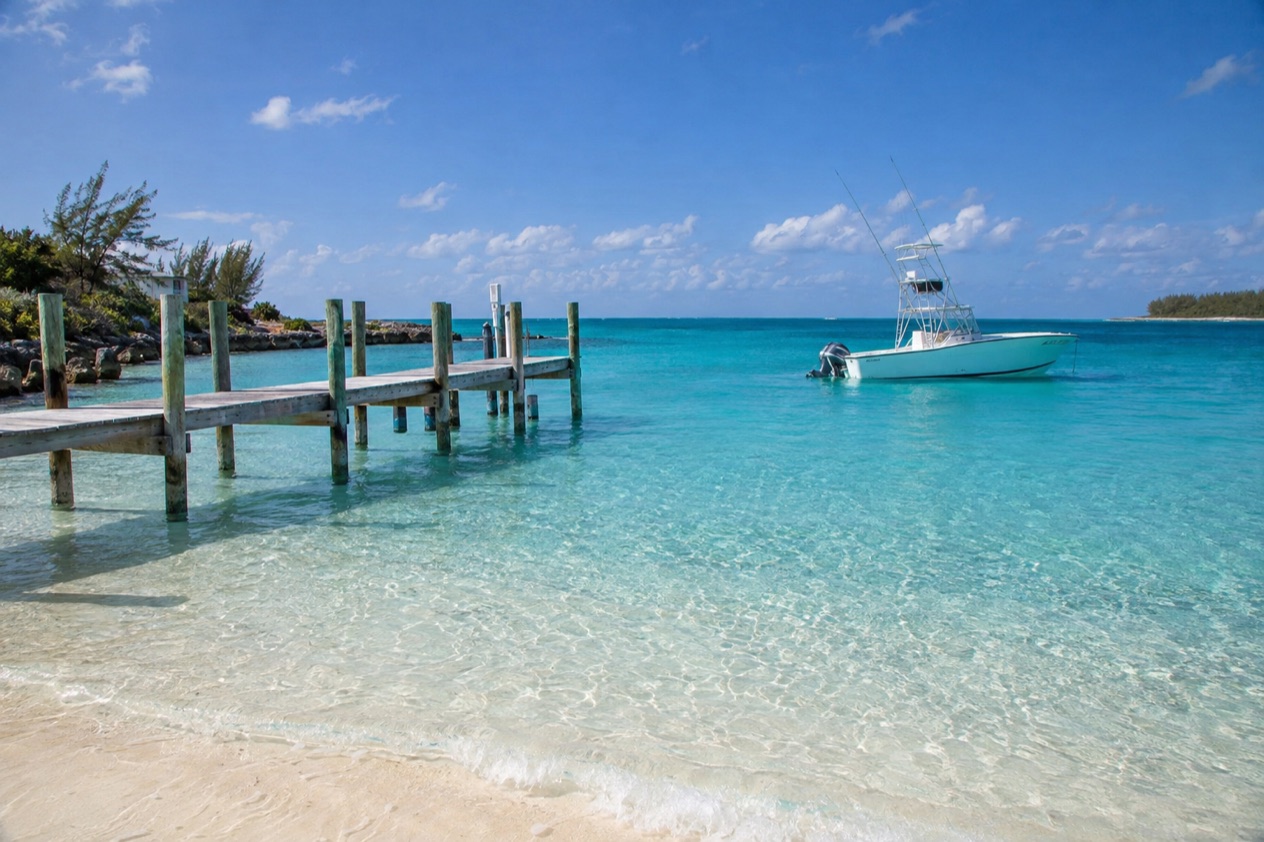
Is Bimini safe to visit?
Bimini is a small island community where most visits go without trouble, but no honest page can promise that yours will, and a few cautions apply here as they do anywhere in the Bahamas. The U.S. State Department says most crime in the country occurs in Nassau on New Providence and in Freeport on Grand Bahama.
Bimini is neither of those places. It sits 50 miles off Florida’s east coast, and daily life on North Bimini unfolds along one main road with a handful of shops, restaurants and bars.
What that means in practice is simple. The most serious warnings in the official guidance, such as gang killings in a Nassau district called Over the Hill, or assaults on downtown Nassau beaches, describe other islands and should not be moved onto Bimini.
Keep them in mind only so that you read the headlines about the Bahamas with the right map in your head. The guidance that does reach every island is more everyday: stay alert in vacation rentals, especially where no private security is present, and treat the sea and the local rules with care.
Two other points shape how relaxed you can be. First, tourism across the Bahamas is unevenly regulated, and safety inspections of equipment and facilities do not commonly occur. That matters for boats, water toys and anything mechanical you hand over money for. Second, help is thin on the outer islands.
Bimini has no big hospital, so a sensible traveler thinks about medical evacuation insurance before leaving home, as the State Department strongly recommends. If something does go wrong, report crimes to local police at 919 or 911.
The law is the last piece. Marijuana, CBD and THC products are not legal in the Bahamas, and a medical card from home does not change that. Firearms and ammunition are illegal as well, even a stray round left in a carry-on bag. Neither rule is a matter of local mood. They are enforced, and a mistake can cost you days far from home.
Safety by area in Bimini
Alice Town and North Bimini
Alice Town is the main settlement on North Bimini, a collection of shops, restaurants and bars strung along a road known as the King’s Highway. By day it is a working fishing town, with boats tied up, conversations on the sidewalk and people drifting between the docks and lunch. After dark the bars carry the street, and the mood changes with the music and the crowd.
North Bimini is a long, flat, narrow island of about 1600 residents, roughly 7 miles from end to end and only about 200 yards wide at its narrowest. That shape means you are never far from water on either side, and it is worth remembering when you walk home late along a road with the sea close by. The official guidance gives no specific warning for Alice Town, so the sensible habits are the ordinary ones: keep your belongings with you and use the same judgment about bars and strangers that you would at home.
South Bimini and the airport
South Bimini is the quiet end of the district. It has a population of 182 and houses South Bimini Airport, where commercial and charter airlines land. Most visitors pass through briefly, then ferry across to North Bimini. It is a place of arrival and departure rather than a place to wander, and the time you spend here is mostly about luggage and the crossing.
The airport is also where one of the firmest rules of the Bahamas shows itself. Police strictly enforce the firearms and ammunition laws, even when travelers are leaving, and authorities have held U.S. citizens for several days or more after finding a round in a bag. Check pockets and carry-ons before you pack for the flight home.
Vacation rentals around the island
Many visitors sleep in a rental rather than a hotel, and the official advice for the whole country is direct: stay alert in vacation rental properties, especially where private security is not present. In practice that means the plain habits of any rental, such as locking doors and windows when you leave and when you sleep, and keeping valuables out of sight.
A rental on a thin island can feel very private, with the water a few steps away. That privacy is the pleasure of the place, and also the reason to think about who has access to the property. If you rent a house, ask the owner or manager what security, if any, is on site, and plan your own habits around the answer.
Common scams and how to avoid them
The traps that matter around Bimini are less about street hustles than about unregulated services. The official guidance says commercial recreational watercraft, water tours included, are not consistently regulated in the Bahamas, and that many companies lack safety certifications.
A cheerful offer for a boat ride or a water toy can look just like a licensed one. Take a moment before you pay for a trip, because a good day on the water starts with a boat and an operator that are in order.
Boat trips, charters and jet skis
Bimini is fishing and boating country, and charters are part of its character. Anyone operating a fishing boat or other charter in Bahamian waters needs a license from the Bahamas Port Department, and operating without one can bring a fine of up to $100,000 and 3 years in prison. That rule falls mostly on the person at the helm, so it is a point for anyone who plans to captain a boat themselves.
Jet skis deserve their own caution. Sexual assaults by jet ski operators have been reported in the Bahamas, and U.S. government employees are barred from renting from independent operators on New Providence and Paradise Islands. The ban names those two islands and not Bimini, but the reports are a good reason to be picky about who you hand a rental to and who rides with you.
Paying for care, and what to carry
A costly surprise is the bill for medical care. Most hospitals and doctors overseas do not accept U.S. health insurance, Medicare and Medicaid do not apply abroad, and most care providers accept only cash. Serious problems that need hospitalization or evacuation to the United States can cost tens of thousands of dollars up front. Supplemental insurance that covers evacuation is the standard answer.
Bring prescription medication in its original packaging with your doctor’s prescription, and keep it in your carry-on. A pill organizer with loose tablets is the kind of thing that can lead to questions, particularly in a country where drug violators are regularly arrested, even for small quantities. Anyone arrested for drug possession should expect at least one night in custody, possibly longer.
Legal trouble has a second trap for visitors. Bahamian law does not guarantee a public defender in the lower courts, so any legal representation is at the visitor’s expense, and everyone 16 or older is tried as an adult. None of that is a scam, but it is the sort of rude surprise that spoils a trip, and it is avoided entirely by leaving drugs and ammunition out of your luggage.
Getting around safely
Getting around Bimini starts with the island’s shape. North Bimini is long, flat and narrow, with the King’s Highway running through Alice Town, and the crossing from South Bimini, where the airport sits, is made by ferry. Most of what a visitor wants lies along that single strip, and the sea is never far on either side.
Driving in the Bahamas is on the left-hand side of the road, which catches many Americans out for the first few minutes. Seatbelts are required for drivers and passengers. On a road this narrow, with water on both sides, a slow start and a clear head matter more than speed, and anyone who has had a drink at a bar should leave the keys alone.
What belongs to Nassau, not Bimini
Much of the official road warning is written about other places. Traffic congestion in Nassau is severe, drivers there often show aggressive or careless habits, and accidents involving pedestrians on New Providence are common. Ambulance delays from congestion are likewise a New Providence problem. These are not descriptions of Bimini, and nothing in the guidance says Bimini shares them.
One warning does travel more widely. Road flooding occurs frequently in many areas of the country, including Nassau and Freeport, during and after rainstorms. On a flat island that can be a reason to wait out heavy rain before heading out, whether you are on foot or in a vehicle.
On foot, day and night
Alice Town is a place you can take in on foot, with docks, shops and bars along the road. By day you share it with boat crews, locals and other visitors. At night, with bars open and the road narrow, take the usual care that you would in any town: stay with your group and keep your attention on the road when vehicles pass.
If you arrive by air, expect to cross from South Bimini to North Bimini by ferry. Plan to reach your lodging in daylight if you can, since you will be carrying luggage in an unfamiliar place.
Beach, water and weather safety
Water is the reason to be in Bimini and also its main hazard. The island is a thin strip with open sea close by, and the guidance says nothing about calm water at any named beach, so treat every swim as your own decision.
Recreational watercraft and water tours are not consistently regulated, and equipment inspections do not commonly occur. Look over any boat, life jacket or piece of gear before you put your trust in it.
Hurricane season
The Atlantic hurricane season runs from June 1 to November 30, and the Bahamas regularly experiences hurricanes. Storms can also occur outside that period, so a trip in December or in spring is not a guarantee of calm weather. A trip that overlaps the season is easier to enjoy if your plans have some give in them.
Airports and seaports in the Bahamas stop operating well before a predicted hurricane arrives. For a small island that depends on flights and ferries, this means that leaving can become impossible before the weather turns. Medical evacuation insurance matters more in that setting, because help is limited on an outer island and does not come quickly in a storm.
Sun, rain and care away from town
A narrow, flat island has little to break the sun on a day at sea or on the sand, so sunscreen, a hat and plenty of water are part of the daily kit. Heavy rain, when it comes, can flood roads, as it does elsewhere in the country, and it is a good reason to be patient and stay put until it clears.
Medical care is the other side of the weather question. Outer islands have only small clinics, and first responders are generally unable to reach areas outside major cities to give urgent treatment. For a visitor on a fishing boat or a remote stretch of shoreline, that gap matters. Keep your outings modest and your gear in order, and take a minute to tell someone where you are headed.
Good to know before you go
The U.S. State Department rates the Bahamas Level 2, “Exercise increased caution”, and says most crime occurs in Nassau on New Providence and in Freeport on Grand Bahama.
Carry some cash, since most care providers overseas take only cash, and arrange medical evacuation insurance before you leave. Keep prescriptions in their original packaging, and leave drugs, including CBD and THC products, and any firearm or ammunition at home.
In an emergency, report crimes to local police at 919 or 911, and contact the U.S. Embassy at +(242) 322-1181, which also helps U.S. citizens who are victims of sexual assault. Vaccinations should be up to date by CDC recommendations, and the habits of a careful traveler, such as watching your belongings and your vacation rental, will do most of the rest.
Sources
- U.S. Department of State, The Bahamas Travel Information, Travel Advisory (Level 2) (https://travel.state.gov/), checked October 10, 2026
- U.S. Department of State, The Bahamas Travel Information, Safety and security (https://travel.state.gov/), checked October 10, 2026
- U.S. Department of State, The Bahamas Travel Information, Local laws and special circumstances (https://travel.state.gov/), checked October 10, 2026
- U.S. Department of State, The Bahamas Travel Information, Health (https://travel.state.gov/), checked October 10, 2026
- U.S. Department of State, The Bahamas Travel Information, Traveling and transportation (https://travel.state.gov/), checked October 10, 2026
- Bahamas Ministry of Tourism, Investments & Aviation (bahamas.com), travel blog, safety downtown Nassau (https://www.bahamas.com/blog/downtown-nassau-safe-for-tourists), checked October 10, 2026
- U.S. Department of State, The Bahamas Travel Advisory, Level 2 (https://travel.state.gov/), checked October 10, 2026
- Bahamas Ministry of Tourism, Investments & Aviation (bahamas.com), Bimini (https://www.bahamas.com/islands/bimini), checked October 10, 2026
- Wikipedia, Bimini (https://en.wikipedia.org/wiki/Bimini), checked October 10, 2026
- Wikivoyage, Bimini travel guide (https://en.wikivoyage.org/wiki/Bimini), checked October 10, 2026
- NOAA National Hurricane Center, Climatology (https://www.nhc.noaa.gov/climo/), checked October 10, 2026
To plan your stay
- Best Time to Visit Bimini: Weather by Month, Sea Temperatures, Festivals and Crowds
- Things to Do in Bimini: Diving the SS Sapona, the Bimini Road, Alice Town and Bahamian Food
- Where to Stay in Bimini: Alice Town, the Resorts World Beachfront and South Bimini
- Bimini from Miami: Ferry from Port Everglades, Flights to South Bimini and a Day on North Bimini