
Late in June, the Midnight Sun Baseball Game gets under way in the evening with no stadium lights needed, because the sky over Fairbanks is still bright at an hour when most towns have gone dark. That is the rhythm of this Interior Alaska town: the light decides the day. Fairbanks suits travelers who want a river, a museum, a hot spring and a long evening, and it works as a base for the Arctic and Denali country beyond.
What are the best things to do in Fairbanks?
The best things to do in Fairbanks are the ones tied to its light and its cold: a paddlewheel cruise on the Chena River, a night under the aurora in the dark months, a soak in a hot spring, and a bright, unhurried evening in the summer.
None of this needs a rush. Fairbanks is a town where a good day can be one big thing plus a long lunch, and where the seasons change what that one big thing is. The essentials below are developed in the sections that follow.
- Ride a sternwheeler on the Chena and Tanana rivers, a Fairbanks tradition that mixes river scenery with the story of the town.
- Spend an hour or two at the University of Alaska Museum of the North, where the state’s natural and cultural history is laid out under one roof.
- Watch for the northern lights in the long dark season, the reason many visitors come to Fairbanks at all.
- Soak at Chena Hot Springs, where the natural pools are open year-round, including after dark.
- Walk the downtown riverfront and Pioneer Park to get a feel for the gold rush town that Fairbanks started as.
- Take a day trip to North Pole, where the street names, the reindeer and the giant Santa make a cheerful stop.
- Plan around a festival: the Midnight Sun Festival in June, the World Eskimo-Indian Olympics, the Tanana Valley State Fair, or the ice art in late winter.
- Drive to Denali National Park and Preserve for a day when the schedule allows it.
Sights and landmarks in Fairbanks
Fairbanks began in August 1901, when E. T. Barnette set up a trading post on the south bank of the Chena River, and the gold that followed turned a river landing into a town.
You can still feel those roots in the log buildings, the river-facing streets and the habit of taking the weather as it comes. Today it is Alaska’s second-largest city, and a place that is as much a university town as a frontier one.
Most of what is worth seeing is about stories: gold, rivers, the Indigenous peoples of the Interior, and the strange physics of living this far north.
University of Alaska Museum of the North
Its galleries move between Alaska Native art and cultures, natural history, geology and the wildlife of the Arctic and Interior, and the building’s sweeping design gives you views out over the surrounding landscape. It is a good choice on a gray day, and a good first stop if you want a frame for everything else you will see.
One thing you will not find on view is Bus 142, the abandoned bus that became the subject of a well-known book and film. It is in offsite storage while funds are raised for an outdoor exhibition site. Plan instead around the permanent collections, which are enough to fill a visit by themselves.
| Site | Open |
|---|---|
| University of Alaska Museum of the North | Daily, 9 AM to 5:30 PM (admission sales close at 5 PM) |
Downtown, the Chena riverfront and the visitor center
The Morris Thompson Cultural and Visitors Center is the natural place to begin: it tells the story of the Interior and its Alaska Native peoples, and it is where you can pick up the simple downtown walking maps that Explore Fairbanks provides. From there, a stroll along the riverbank passes bridges, small parks and public art.
Downtown is also where the town gathers for its big public moments. The Midnight Sun Festival fills the streets in June, and the Winter Solstice Celebration around December 21 brings fireworks that, as locals point out, you simply cannot see in the summertime when the sky stays light.
Pioneer Park, Ester and the gold rush
Pioneer Park is a heritage park built around the town’s early days, with relocated historic cabins, a riverboat on display and small museums. It reads more like a village than a theme park, and it is a pleasant place to wander without a plan. Salmon bakes and live shows have long been part of the park’s summer life.
A few miles outside the city, the community of Ester began as a gold mining camp, with the first claim staked in February 1903 by Latham A. Jones. The Ester Camp Historic District was added to the National Register of Historic Places in 1987. Gold rush history is one of the formal visitor categories in Fairbanks, so mining-era tours and sites are easy to find through local operators.
Outdoor things to do in Fairbanks
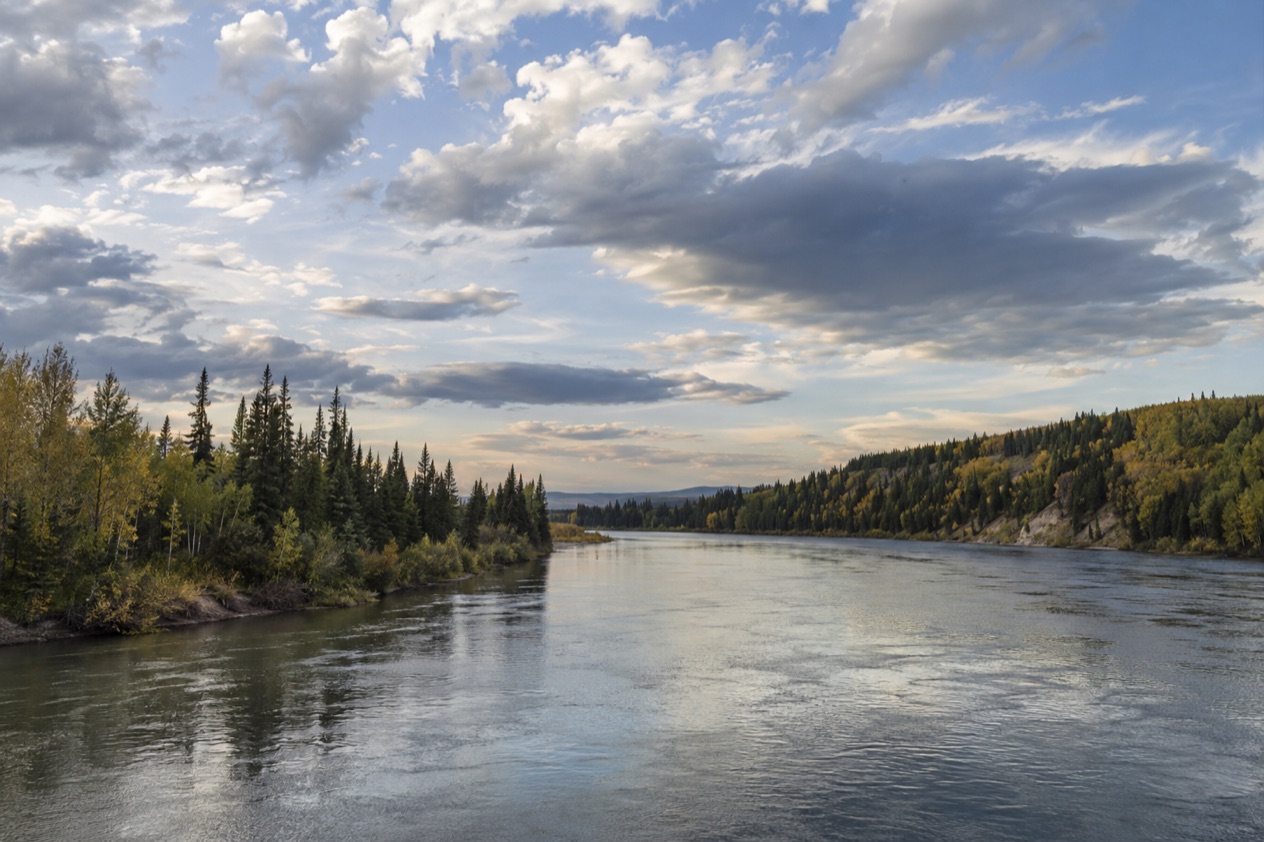
Outdoors in Fairbanks starts with the Chena River and fans out into forest, fishing waters and the open sky. Local businesses help visitors reach remote areas, guide them through town, plan adventures and supply equipment, so you do not need to bring your own gear for most of it. The categories on offer include adventure and ecotours, fishing, flightseeing, dog mushing, wildlife viewing and winter activities.
Riverboat Discovery on the Chena and Tanana
The Riverboat Discovery has run sternwheelers on the Chena and Tanana rivers since 1950, when Jim and Mary Binkley founded the business. The current boat, the Discovery III, began passenger service on July 4, 1987, and carries up to 900 people across four decks. The cruise is a slow, wide-windowed way to see the riverbanks, the houses and the way the Interior’s rivers shape the land.
It suits travelers who want a first look at Fairbanks without much walking, and families with different energy levels. Bring a layer even on a sunny afternoon, since being on the water feels cooler than being on the bank.
Under the midnight sun
From April 22 to August 20, Fairbanks lives in the midnight sun season, and the most intense stretch runs for 70 straight days with 24 hours of light, from May 17 to July 27. In June the sun is up from about 3 AM to a quarter to one the next morning, and it never gets fully dark. That changes how you plan: a late-evening paddle, a walk after dinner, or a round of golf at an hour that would be nonsense farther south.
Take blackout shades seriously when you pick a place to sleep. B&Bs tucked among birch trees, cabins, hotels and campgrounds all exist here, and the light does not care which you choose.
Fishing, flightseeing, mushing and wildlife
A group of activities shares a theme: they use Fairbanks as a launch point. Flightseeing trips go out over the Interior and the Arctic. Fishing outings, dog mushing experiences and wildlife viewing tours are all listed among the standard things to book in town. Moose, birds and other animals are chances rather than promises, and the guides are better than anyone at improving those odds.
The Arctic Circle lies 196 driving miles from Fairbanks, which gives you a sense of how far north the town sits. If crossing it is on your wish list, a Fairbanks-based operator can help you plan how to get there.
Day trips from Fairbanks
Fairbanks sits at the center of the Interior, so the day trips fan out into very different worlds: a hot spring in the forest, a Christmas village, and the foot of the Alaska Range. Each one is easy to build into a longer stay, and each changes with the season.
Chena Hot Springs Resort
Chena Hot Springs Resort lies about 56 miles northeast of Fairbanks, near the Chena River State Recreation Area. It started more than a century ago when two gold mining brothers, Robert and Thomas Swan, found the hot water, and in 1911 twelve small cabins were built for visitors. The natural hot springs are open for soaking year-round, including beneath the aurora borealis.
In winter the resort runs an Aurora Viewing Tour by SUSV, a tracked vehicle, up to Charlie Dome for open-sky views in every direction, with heated yurts and hot drinks. The aurora viewing season here runs from late August to mid-April, and the lights are often discussed around the March equinox.
In warmer months there is an Electric ATV Tour, a single-rider ride along Monument Creek Trail through forest, mud and rugged terrain. The Aurora Ice Museum Tour is another stop on the property.
| Experience | Price | Length and age |
|---|---|---|
| Pool House day pass | $20 adults, $17 children | Day pass |
| Winter aurora viewing tour | $125 per person | 5 hours, riders at least 2 years old |
| Aurora Ice Museum Tour | $20 adults, $15 children | 45 minutes, ages 6 and up |
North Pole
The town of North Pole sits close to Fairbanks and delivers a cheerful dose of Alaskan holiday kitsch. Its streets carry names like Santa Claus Lane, St. Nicholas Drive, Snowman Lane and Kris Kringle Drive, and the main stop is Santa Claus House, a gift shop known for the world’s largest fiberglass statue of Santa outside. A small group of domesticated reindeer lives just outside.
The town is about 125 miles south of the Arctic Circle and well over a thousand miles from the true geographic North Pole, a gap the locals cheerfully ignore. It suits families and anyone who likes a postcard stamped with a quirky name, and it pairs well with a lunch stop on a day that also includes downtown Fairbanks.
Denali National Park and Preserve
Denali National Park is just over a 2-hour drive from Fairbanks, and it is the day trip that rewards an early start. You get to the edge of a wilderness the size of a small country, with the Alaska Range on the horizon and the road corridor that runs through the park. The route from Anchorage to Fairbanks also passes through Denali on the George Parks Highway, which makes it a natural stop for anyone traveling between the two cities.
Some lodges near Fairbanks are inside the park itself, and others are scattered across the Interior and Arctic, so a day trip can turn into an overnight if you want it to. Wildlife sightings are chances, not guarantees, and a day here is as much about the scale of the place as about any single animal.
Smaller stops: Ester and the Interior
Ester, with its gold camp roots, is a short outing from town. The Malemute Saloon there operates on selected weekends in the summer and often features live music by local bands. Beyond that, Explore Fairbanks covers activities across Denali, the Interior and the Arctic, and a local operator can build a custom outing around your interests, from fishing to a guided wilderness trek.
What to eat in Fairbanks
Eating in Fairbanks means Alaska on a plate: salmon, halibut, reindeer sausage, sourdough, and anything with berries. The town is a long way from the coast, so seafood is often flown or trucked in, but locals treat it with the same respect as if it were hauled off a boat that morning. The result is a cuisine that is simple, hearty and fitted to cold weather.
A good first meal is a plate of grilled or smoked wild salmon with potatoes and a side of something green. Reindeer sausage, sometimes served on a bun with grilled onions, is a classic street-food bite, and you will see it at fairs and festivals as well as at lunch counters.
Salmon, halibut and the Alaskan staples
Salmon bakes are an Alaska tradition, with fillets cooked over a wood fire and served buffet style with sides like baked beans, coleslaw and cornbread. Halibut shows up as fish and chips or pan-seared, and king crab legs make an appearance on special-occasion menus. If you only eat one seafood meal in Fairbanks, make it one where the fish is the star and the sauce is out of the way.
Sourdough has a special place in Alaskan culture, tied to the gold rush prospectors who kept a starter alive through the winter. You will find it in pancakes, bread and biscuits, and a sourdough pancake breakfast with reindeer sausage is a solid way to start a day of sightseeing.
Fairs, markets and local flavors
The Tanana Valley State Fair, held at the end of summer, is one of the best places to taste the region, with local delicacies alongside the Ferris wheel and carnival games. Summer farmers markets bring in vegetables that grow remarkably large under the long daylight, along with honey, jams, baked goods and crafts. Birch syrup, made from the sap of local trees, is a Fairbanks specialty and a good edible souvenir.
Berries are everywhere in an Alaskan summer: blueberries, lingonberries, cranberries and raspberries turn up in pies, sauces and jams. Craft beer is part of the town’s identity too, with local breweries making brews that go well with a plate of smoked salmon or a reindeer sausage sandwich.
Warm drinks and cold-weather comfort
In the cold months, the right order is something hot. Coffee shops serve strong drinks in thick mugs, and the hot chocolate at a hot spring resort after a night out tastes better than it has any right to. Soups, chowders and chili are common, and a hearty breakfast with eggs, potatoes and sourdough toast makes more sense here than anywhere warmer.
Things to do in Fairbanks at night
Night in Fairbanks depends entirely on the season. In the long dark months, the evening is about the aurora, and in summer it is about how late you can stay out in the light. Both are special in their own way, and neither has much to do with a traditional nightlife scene.
Aurora season
Aurora season in the Fairbanks region lasts from August 21 to April 21, and the town is one of the places in Alaska where the northern lights are watched for. The University of Alaska Fairbanks Geophysical Institute posts an aurora forecast on its website, which is the tool locals use to decide whether to stay up. The lights are a chance, not a promise, and a clear sky matters as much as the forecast.
People choose to watch from a place with open sky and a warm spot to retreat to. Chena Hot Springs offers a soak under the sky and the SUSV tour to Charlie Dome, where heated yurts and hot drinks make waiting more pleasant. Local businesses also run aurora viewing tours from town, and dressing in layers matters more than any other piece of advice.
Summer evenings and the midnight sun
In summer the evening just keeps going. The Midnight Sun Baseball Game, a national tradition played since 1906, takes place under the endless daylight of the solstice. The Midnight Sun Festival, held on the Saturday closest to June 21, is a free 12-hour street fair downtown, with over 30 live music performances on three stages, plus gold panning, break dancing, a climbing wall and pony rides.
On summer weekends, the Malemute Saloon in Ester often has live music from local bands, in a building that looks like it came from a gold camp. It operates only on selected weekends, so it is an occasional treat rather than a nightly fixture.
Winter nights and celebrations
Winter has its own evenings. The Winter Solstice Celebration in downtown Fairbanks takes place the week of December 21, with fireworks that you cannot see in summer. The sun in midwinter is only up from about 10:45 AM to 2:45 PM, so the town leans into festivals, lights and warm gathering places.
From mid-February to the end of March, ice art sculptures are displayed around Fairbanks, and the World Ice Art Championships, held from late February through March, features over 80 sculptures by international carvers. Seeing them lit at night is one of the most photogenic things you can do in the town. The Open North American Championship sled dog race also takes place in the winter months.
Things to do in Fairbanks with kids
Children in Fairbanks get a lot of fun out of simple things: a paddlewheel boat, a reindeer, a Ferris wheel, a hot spring and a big Santa. The town’s activities are mostly hands-on, and the extreme light and cold give kids a sense that they are somewhere genuinely different. Hotels in Fairbanks include family-friendly options with views of snow-capped peaks.
Boats, reindeer and a very large Santa
The Riverboat Discovery is an obvious choice, since a big sternwheeler on a river appeals to almost every age. In North Pole, the reindeer outside Santa Claus House are a hit with younger kids, and the giant fiberglass Santa outside is a classic photo stop. Streets named Snowman Lane and Kris Kringle Drive add to the fun, especially in the weeks around Christmas.
The University of Alaska Museum of the North also has plenty to catch a child’s attention, from large animal displays to the unusual geology and natural history exhibits. It is a good indoor option when children need a break from the outdoors.
Festivals and fairs
The Midnight Sun Festival is free and includes activities children like: gold panning, a climbing wall and pony rides, with live music on three stages. The Tanana Valley State Fair at the end of summer has a Ferris wheel, carnival games and local treats. The World Eskimo-Indian Olympics features Indigenous athletes competing in games such as the high kick, the blanket toss and the four-man carry, and watching them is a memorable way for children to see traditional athletic skills.
Hot springs and what to keep in mind
At Chena Hot Springs, children can use the Pool House with a day pass, and the Aurora Ice Museum Tour is open to ages 6 and up. Winter aurora tours take riders as young as 2, though a five-hour outing in the cold takes planning. Winters here average around −12°F, so warm layers, hats, mittens and boots matter for children more than for anyone.
In summer, the light affects sleep. Children may have trouble settling down when the sun is still up late in the evening, so a dark room and a steady routine help. Distances between sights are real, so plan one main outing per day and leave room for rest.
Good to know before you go
Fairbanks International Airport is open 24 hours a day and lies three miles southwest of downtown, with domestic flights from Chicago, Dallas, Denver, Minneapolis and Seattle-Tacoma. Driving up from Anchorage on the George Parks Highway takes about 7 to 8 hours in summer with stops. The town has banks, ATMs and the usual visitor services, and Explore Fairbanks can answer questions at (907) 456-5774.
Some experiences run only in certain seasons: the Malemute Saloon on selected summer weekends, the aurora tours in the dark months, and the ice art in late winter. Local businesses can arrange guides, gear and transport for the farther-flung outings.
Sources
- Explore Fairbanks (https://www.explorefairbanks.com/), checked October 11, 2026
- Alaska.org, dest fairbanks (https://www.alaska.org/destination/fairbanks), checked October 11, 2026
- Wikivoyage, Fairbanks (https://en.wikivoyage.org/wiki/Fairbanks), checked October 11, 2026
- Wikipedia, Fairbanks, Alaska (https://en.wikipedia.org/wiki/Fairbanks,_Alaska), checked October 11, 2026
- Wikipedia, Fairbanks International Airport (https://en.wikipedia.org/wiki/Fairbanks_International_Airport), checked October 11, 2026
- Wikipedia, Fairbanks North Star Borough, Alaska (https://en.wikipedia.org/wiki/Fairbanks_North_Star_Borough,_Alaska), checked October 11, 2026
- University of Alaska Museum of the North (https://www.uaf.edu/museum/), checked October 11, 2026
- Chena Hot Springs Resort (https://www.chenahotsprings.com/), checked October 11, 2026
- Wikipedia, Chena Hot Springs (https://en.wikipedia.org/wiki/Chena_Hot_Springs), checked October 11, 2026
- Wikipedia, North Pole, Alaska (https://en.wikipedia.org/wiki/North_Pole,_Alaska), checked October 11, 2026
- Wikipedia, Ester, Alaska (https://en.wikipedia.org/wiki/Ester,_Alaska), checked October 11, 2026
- Wikipedia, Fort Wainwright (https://en.wikipedia.org/wiki/Fort_Wainwright), checked October 11, 2026
- Wikipedia, Riverboat Discovery (https://en.wikipedia.org/wiki/Riverboat_Discovery), checked October 11, 2026
- University of Alaska Fairbanks Geophysical Institute (https://www.gi.alaska.edu/), checked October 11, 2026
- Wikivoyage, North Pole (https://en.wikivoyage.org/wiki/North_Pole), checked October 11, 2026
- Wikipedia, Interior Alaska (https://en.wikipedia.org/wiki/Interior_Alaska), checked October 11, 2026
To plan your stay
- Best Time to Visit Fairbanks: Midnight Sun, Northern Lights, Weather and Festivals
- Where to Stay in Fairbanks: Downtown, Birch-Wood Cabins, Chena Hot Springs and Denali Lodges
- Fairbanks from Anchorage: Denali Star Train, Road Conditions, Flights and Stops Along the Way
- Know Before You Go to Fairbanks: Midnight Sun, Aurora Season, Layers and Local Habits