
On a quiet morning in Cuernavaca, the shade under the laurel trees of the Zócalo smells of coffee and warm tortillas, and the bells of the old cathedral drift over the rooftops. The city has long been a green escape from the capital, with garden walls draped in bougainvillea and a slow rhythm that suits long lunches. It is a place for travelers who like history, courtyards and unhurried days.
Where is Cuernavaca and what is it like?
Cuernavaca is the capital of the state of Morelos, in the highlands south of Mexico City, in a valley that sits well above the heat of the lowlands and the coast. Its nickname, the City of Eternal Spring, comes from a climate that has drawn emperors, artists and weekend visitors for centuries.
The feel is that of a garden town with a colonial heart. Walled villas hide leafy patios, the historic center is easy to cross on foot, and shaded plazas invite you to sit for a while with a coffee or a fruit ice. There is no beach and no big nightlife scene, so it suits people who like to wander, eat well and visit sites with deep history.
Travelers who want a resort with a pool bar and a sea view may find it too quiet. Those who enjoy architecture, gardens and a gentle pace tend to fall for it quickly.
What is there to do in Cuernavaca?
Cuernavaca is about layers of history and green spaces, a mix that sets it apart from its neighbors, which lean toward either the capital’s museums or the hot-country resorts. The big reasons to come are its palace, its gardens and one remarkable ruin nearby.
The Palacio de Cortés
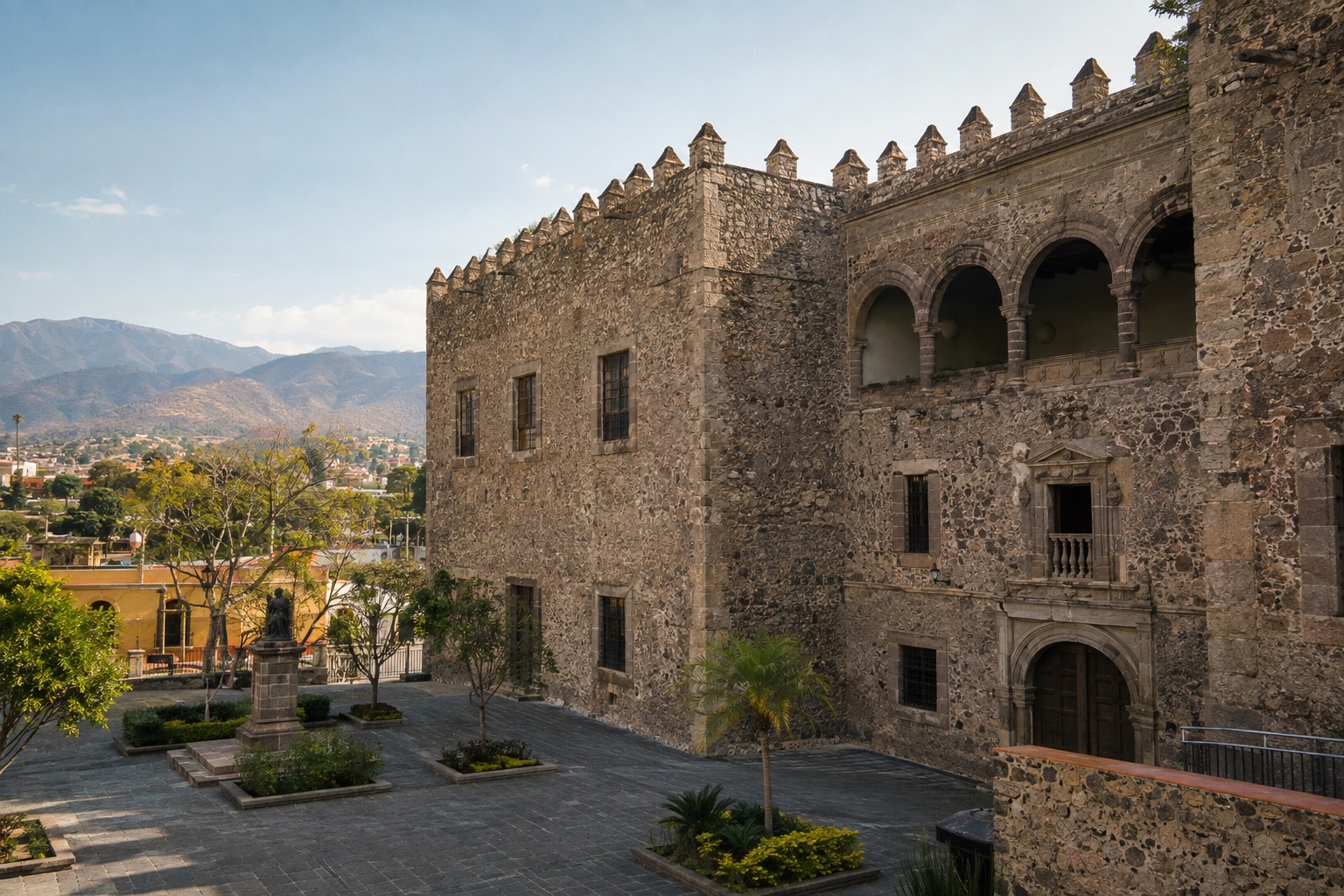
Hernán Cortés began this fortress-like residence in 1531 on top of an earlier Tlahuica ceremonial site, and the main construction was finished by 1535. It stands at the edge of the historic center, so you reach it on foot from the main square in a few minutes. The thick stone walls and open arcades make it one of the oldest colonial buildings in the region.
It houses the Museo Regional de los Pueblos de Morelos, which tells the story of the state from its early peoples onward. The museum is currently closed temporarily, so the building is best appreciated from the outside for now. Walking around it is still a good way to understand how the city grew.
| Site | Admission |
|---|---|
| Museo Regional de los Pueblos de Morelos (currently closed temporarily) | 210 pesos general; 105 pesos for Mexican nationals and foreign residents |
The Jardín Borda
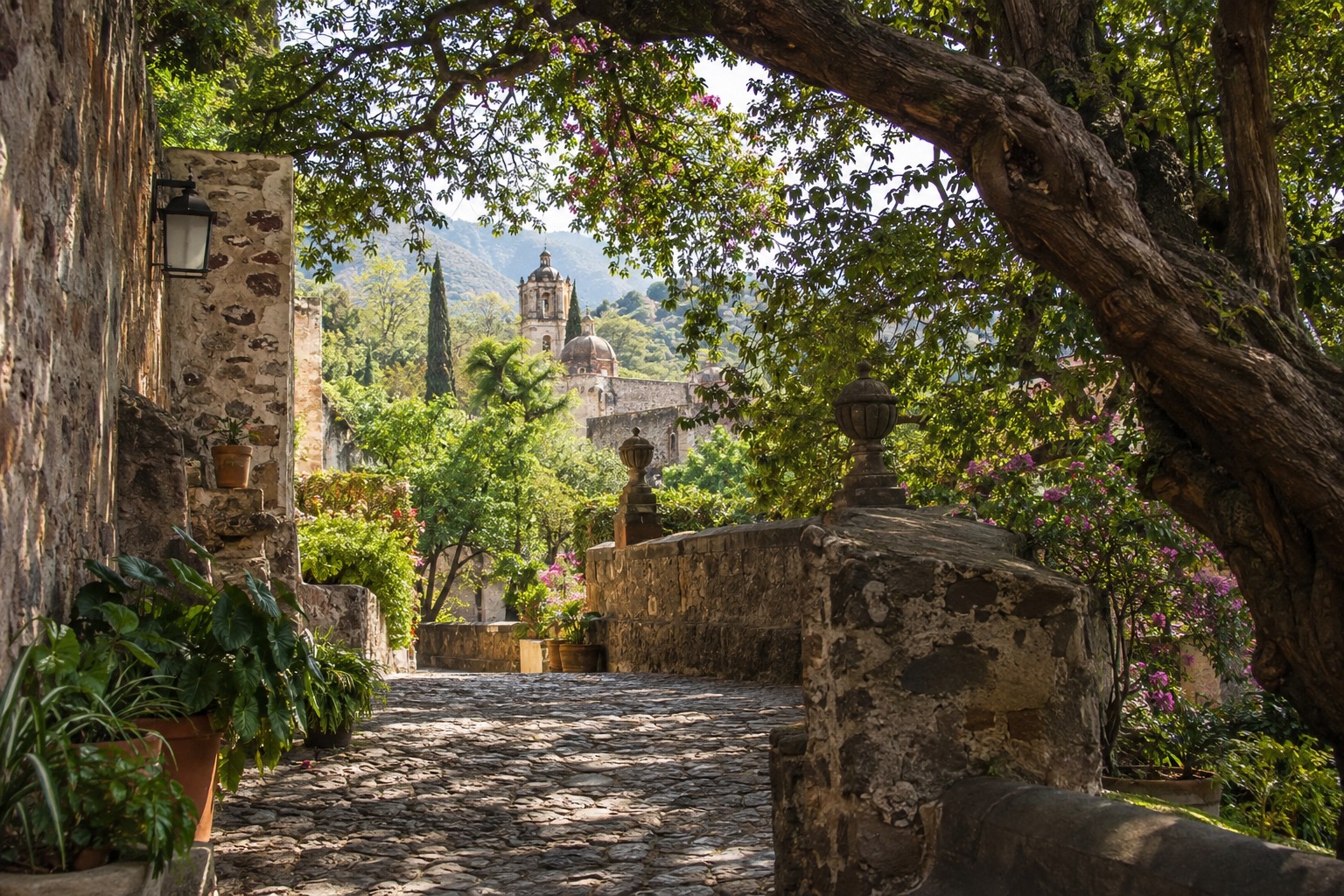
In the historic center, this garden dates from colonial times and once served as a getaway for Emperor Maximilian and Empress Carlota, and that romantic, slightly faded mood lingers even now. Paths run beneath old trees, past fountains and terraces that were meant for quiet afternoons.
It is an easy stop from the Zócalo, ideal for a slow hour or two when the midday sun is strong. It suits couples, families with small children and anyone who likes to pause between sights.
Xochicalco
The hilltop ruins of Xochicalco are the main day trip from the city, reached by Highway 95 toward Alpuyeca. The site is known for its carved stonework and wide ceremonial spaces, with long views over the surrounding valleys.
There is little shade, so morning is the comfortable time to walk it. It suits travelers who enjoy archaeology and open landscapes.
| Site | Open | Admission |
|---|---|---|
| Xochicalco | Daily 9 a.m. to 6 p.m., last entry 5 p.m. | 210 pesos general; 105 pesos for Mexican nationals and foreign residents |
How many days do you need in Cuernavaca?
A long weekend is the right length for Cuernavaca, enough to see the center without hurrying.
In two days you can walk the Zócalo, circle the Palacio de Cortés, spend an afternoon in the Jardín Borda and still have time for long meals in the shaded courtyards. A third day opens the way to Xochicalco, which fills a morning comfortably.
With more time, the pace can simply slow down, with extra days for the markets, the surrounding Morelos towns and lazy afternoons in the gardens. Cuernavaca also works as a base for exploring other parts of the state.
Where to stay in Cuernavaca
The historic center is the natural choice for first-time visitors, since the plaza, the palace and the Jardín Borda are all close together and you can leave the car parked. Evenings there are lively with locals strolling and eating.
The quieter, leafier residential neighborhoods suit travelers who want garden courtyards, pools and a calmer night. Expect to take a taxi into town from there, which is a fair trade for the peace.
How do you get to Cuernavaca and get around?
Cuernavaca is reached by road from Mexico City, and the highway toward Morelos brings you straight into the valley. Most visitors come by bus or car, and the drive is a typical weekend run for people from the capital.
Once in town, the historic center is compact and pleasant to walk. Taxis cover the longer hops to residential areas, and for Xochicalco you follow Highway 95 toward Alpuyeca by car or taxi.
When is the best time to visit Cuernavaca?
The mild highland climate makes Cuernavaca an easy destination for much of the year, and the drier months are the most comfortable for walking the gardens and climbing around Xochicalco.
The rainy months bring afternoon showers that suit a museum or café stop, and the greenery is at its lushest then. Weekends and public holidays are busier, when visitors from the capital fill the plazas and restaurants. If you prefer quiet, weekdays give you the gardens and courtyards nearly to yourself.
Good to know before you go
The U.S. State Department rates the state of Morelos at Level 3, Reconsider Travel.
Carry some pesos for small purchases at markets and cafés, and use common-sense habits in the city as you would anywhere. Cuernavaca sits in the highlands, so evenings can feel cooler than you expect.
| Fee | Amount | Who pays |
|---|---|---|
| Xochicalco admission | 210 pesos | General visitors |
| Xochicalco admission | 105 pesos | Mexican nationals and foreign residents |
| Museo Regional de los Pueblos de Morelos (currently closed temporarily) | 210 pesos | General visitors |
| Museo Regional de los Pueblos de Morelos (currently closed temporarily) | 105 pesos | Mexican nationals and foreign residents |
Sources
- INAH, Museo Regional de los Pueblos de Morelos Palacio de Cortes (inah.gob.mx/museos/museo-regional-de-los-pueblos-de-morelos-palacio-de-cortes), checked September 29, 2026
- INAH, meme page, checked September 29, 2026
- INAH, Zona Arqueologica de Xochicalco (inah.gob.mx/zonas/zona-arqueologica-de-xochicalco), checked September 29, 2026
- US Department of State, Mexico Travel Advisory (travel.state.gov), advisory of May 29, 2026, checked September 29, 2026 (date issued May 29, 2026)