
JAMAICA · IS IT SAFE? · THE STRAIGHT ANSWER, WITH THE MAP
The straight answer has two halves, and both are true. Jamaica has one of the region’s higher crime rates on paper, and the US advisory asks for “increased caution” with a short list of named areas to avoid. And: Americans vacation here by the planeload, overwhelmingly without incident, because tourist Jamaica and the areas in the warnings barely overlap, and because the sensible habits are neither exotic nor expensive. This page draws the actual map instead of choosing a mood.
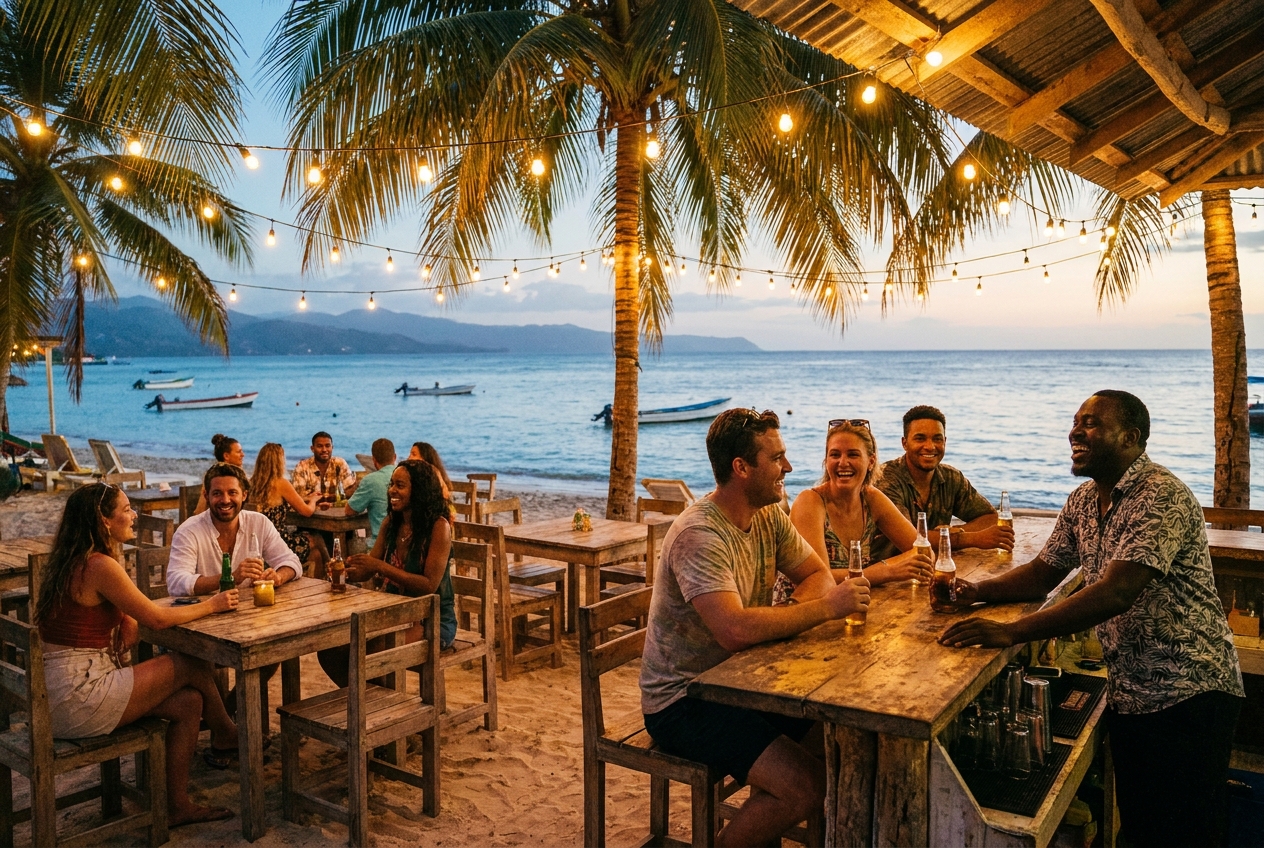
SAFETY AT A GLANCE · JAMAICA
Level 2 with named exceptions: stay on the tourist map, use licensed drivers, skip the night roads between towns, and Jamaica gives you the easy trip its beaches promise. The rules cost nothing and cover almost everything.
US ADVISORY: LEVEL 2 (LOWERED FROM 3, JAN 2026) · NAMED NO-GO AREAS: INLAND, NOT RESORTS · EMERGENCY: 119
Perspective: the advisory’s named areas are specific inland neighborhoods and towns no tourist itinerary visits — the warnings and your vacation are, geographically, different maps.
Think twice before: self-driving remote roads after dark, wandering unlit urban areas at night, or treating the whole island as either a fortress or a minefield. It’s neither. It’s a country with a map.
Advisory: US State Department (Jan 2026) · full sources at the end of this guide
On this page
- What the State Department saysLevel 2, with zones named
- Where exactly should I not go?The named areas, on the real map
- The habits that do the workSix rules, zero paranoia
- Resorts, women, families, weedThe specific questions, answered
How safe is Jamaica? What the US advisory says
The State Department holds Jamaica at Level 2, “Exercise Increased Caution” (advisory reissued June 23, 2026), the level it granted in January 2026 as a downgrade from the Level 3 that made 2024’s headlines, and a meaningful signal: Washington judged the trend line worth rewarding. The advisory’s substance stayed consistent: violent crime rates are high by regional standards but concentrated in specific communities, tourists are rarely the targets, and the government’s own employees follow practical rules (no public buses, no intercity driving after dark) that it suggests visitors mirror.
The advisory also notes the island’s ongoing recovery from Hurricane Melissa, which is a logistics topic, not a security one (the country guide covers that picture). Read the two halves together and the advisory says what locals say: know where you are, and Jamaica is a fine place to be.
Areas to avoid in Jamaica
Here is the part most coverage skips: the flagged areas, marked “reconsider travel,” are specific inland neighborhoods and towns. In the June 23, 2026 advisory they are Steer Town near Ocho Rios, then Central Village, Waterford, March Pen and Grange Lane in St. Catherine, and York Town and Western Park in Clarendon. What the list does not contain: Negril, the Montego Bay resort corridor, Ocho Rios proper, Port Antonio, Kingston, or any beach you’re considering. The list has been shrinking: Spanish Town, Portmore and the rest of Clarendon, flagged in January, came off it in June.
The practical translations: an Ocho Rios vacation is unaffected by a warning about a neighborhood a few kilometers inland that no visitor has a reason to enter. The Clarendon flags now name two towns rather than the parish, so the southbound highways carry no asterisk. And Kingston deserves its own nuance: the capital is not flagged, its troubled districts are the concern the habits below address, and the culture trip (the Marley museum, the Blue Mountains road) runs nowhere near them with a driver who knows the city. Check the current advisory before you fly: the named list is exactly what our monthly refresh watches.
Staying safe in Jamaica: everyday safety tips
1. Licensed rides, pre-booked. The red-plate route taxis are for the adventurous by day, while your airport transfer and intercity moves are for established operators. 2. No intercity roads after dark, driving or riding: the embassy’s own rule, and the single highest-value habit on this page. Plan arrivals and long moves for daylight.
3. The resort-town radius at night: the lit, populated strips of Negril or Ocho Rios are evening-friendly. The unlit road beyond them is a taxi ride, not a stroll.
4. Flash discipline: the hotel safe exists, the beach needs a phone and a towel, and the wad of vacation cash stays split.
5. Polite firmness with hustle: persistent vending and offers of everything are part of the streetscape — “no thanks, respect” delivered warmly ends most of it, and a walk-on ends the rest.
6. Trust the front desk’s map: asking “should I walk there tonight?” gets you honest local answers everywhere on the island.
Jamaica safety FAQs: resorts, solo travel, families and ganja
Are the resorts safe? Yes, boringly so: gated properties with security are the island’s controlled environment, and the all-inclusive corridor runs on tourism’s incentives. The real question is the one this page answers: how freely can you leave them (answer: quite, by the rules above).
Solo women: doable and commonly done, with the standard amplifications: verbal attention is frequent and mostly harmless, firmness works, night moves are by licensed ride, and resort towns beat solo urban exploring.
Families: the north-coast resort zones are among the easiest family environments in the Caribbean, and the habits above are the whole additional briefing.
LGBTQ+ travelers: plain speech required — Jamaican law retains colonial-era statutes and social attitudes run conservative. Violence against visitors is rare and resort environments are professionally welcoming, but public affection is a real consideration here in a way it isn’t in Portugal.
The weed question: possession of small amounts (up to two ounces) is decriminalized (a ticketable offense, not a crime) and licensed dispensaries operate legally; buying from the guy on the beach remains illegal, unregulated, and the classic tourist shakedown setup.
Health: town tap water is treated and hotels filter, and bottled water is the zero-thought default. Mosquitoes carry the occasional dengue season: repellent is a health tool here, not a comfort item.
And the sea: as in Portugal, the water outranks the crime pages. Swim where lifeguards and other swimmers are, respect currents on the wilder beaches, and treat hurricane season (June–November) as a booking-flexibility question, which its own page handles.
Emergencies in Jamaica: numbers and process
119 reaches the police, 110 fire and ambulance. Tourist areas fall under a dedicated courtesy-police program, hotels know the drill for reports and doctors, and the US Embassy sits in Kingston with standard citizen services. Travel insurance with medical evacuation is the adult accessory for any Caribbean trip; private clinics in the resort corridors handle the vacation-grade emergencies well.
The last word
Jamaica asks visitors for something Portugal doesn’t: a map read once, honestly, before the first rum punch. Read it (this page was it), book the rides, keep the nights in the lit places, and the island repays you with the warmest welcome in the hemisphere and a trip where the scariest thing was the jerk pepper. That’s not naivety, and it isn’t bravado. It’s what Level 2 with named exceptions actually means.
Sort the paperwork in five minutes flat: entry guide landing in this wave, and give the ride logistics the same ten minutes: the transfer guide is live.
Sources & data for this guide
- Level 2 advisory reissued June 23, 2026, with “reconsider travel” flags on named areas (Steer Town in St. Ann · Central Village, Waterford, March Pen, Grange Lane in St. Catherine · York Town, Western Park in Clarendon) and US-employee rules (no public buses, no intercity night driving) · US State Department · checked Sep 2, 2026
- Emergency numbers 119 (police) / 110 (fire & ambulance) · Jamaica official information · checked Sep 2, 2026
- Ganja decriminalization (small amounts, ticketable) and licensed dispensaries · Jamaican law as publicly documented · checked Sep 2, 2026
- Neighborhood-level and cultural observations are editorial judgment; the advisory’s named list is re-checked in our monthly refresh