
On a rooftop terrace in Athens the evening usually begins with a glass of something cold, a plate of meze and the Acropolis standing lit above the rooftops. That view is often what travelers have in mind when they ask where to stay in style. The city has grand hotels in its center, design-led addresses and seaside stays on its southern coast, and the right pick depends on whether you want ancient stones, gardens or a beach outside your door.
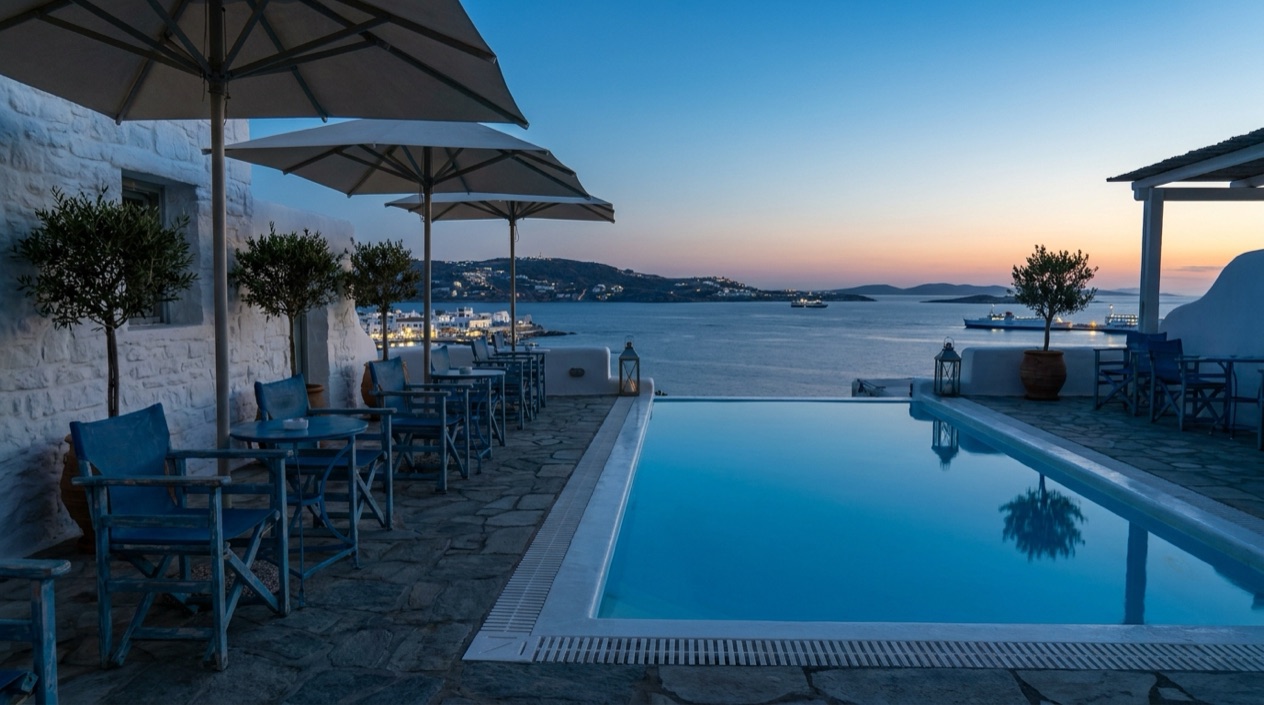
Which luxury hotels are in Athens?
Athens has luxury hotels of several kinds: grand city hotels with rooftop terraces, contemporary design hotels and beachside properties in the southern suburbs. The capital is home to a city of 643,452 people in the municipality alone, and the urban area around it holds more than 3.6 million, so the choice of neighborhoods is wide. The hotel you choose shapes the trip more than in many European capitals, because the city is spread out and each district has its own mood.
Rather than a single list of names, it helps to think in styles. Each one gives you a different Athens: grand central hotels, design-led addresses and beachside stays.
Grand hotels in the center
The classic luxury address in Athens is a large, long-established hotel with high ceilings, a formal lobby, a spa and a rooftop restaurant. Many grand hotels in the center offer rooftop terraces with views toward the Acropolis.
It suits a stay built around the major sights, since the Acropolis and its museums, the National Garden and the old neighborhoods around them all sit in the heart of the city.
Design hotels and boutique luxury
A newer generation of Athens hotels trades chandeliers for clean lines, local art, linen and stone. Rooms are fewer, service is personal, and a lot of the effort goes into a rooftop pool, a small spa or a restaurant that takes Greek ingredients seriously: wild greens, grilled octopus, lamb with lemon potatoes, sheep’s-milk cheeses from the islands.
These hotels often occupy renovated buildings in the older districts, and their bars become meeting places for locals as well as guests. If you like a hotel that feels like a neighborhood address instead of a landmark, this is the style to look for.
Seaside luxury in the southern suburbs
The coast south of the center offers a different kind of stay. Suburbs such as Alimos and Glyfada have sandy beaches run by the Greek National Tourism Organisation, and those beaches charge an entrance fee.
Staying on this side of the city means a separate rhythm from the sightseeing core. You trade the rooftop view of the Acropolis for a sea breeze and an easy day of swimming, then head into the center when you want the museums and old streets.
What a luxury hotel adds in Athens
Athens is a hot-summer Mediterranean city, and it is referred to as the hottest city in mainland Europe. In that climate a hotel with a pool, a shaded terrace and a cool lobby becomes more than a bed: it is where you rest between a morning among ruins and a late dinner. A concierge who knows the city’s museums, tavernas and day trips can also shape a stay that would otherwise run on guesswork.
Spring and late autumn are the best times to visit Athens, and a good hotel feels different in each.
Where are they?
Luxury hotels in Athens sit in three broad areas: the historic center around the Acropolis, the green districts by the National Garden, and the beach suburbs of the southern coast. Each puts you close to something different, and the airport and the metro tie them together.
The historic center and the Acropolis
Athens has two UNESCO World Heritage Sites, the Acropolis of Athens and the medieval Daphni Monastery, and the first is the reason travelers choose a central hotel. From a room or terrace that faces the rock, you see the Parthenon change color as the evening lights come on. Around it lie the old streets of Plaka and the cafés and tavernas where dinner can stretch late.
Timed-entry tickets have been mandatory for the Acropolis since 1 April 2024. A hotel in the center puts you in a good position to plan around that slot, and a concierge can help sort out the visit.
Around the National Garden
The National Garden was completed in 1840 and remains a green refuge of 15.5 hectares in the center of the Greek capital. Hotels near its paths and ponds have a calmer outlook than those on the busiest streets, with tall trees where you might otherwise see traffic. For a traveler who wants to step out of the lobby and into shade, this part of the city is a natural fit.
A walk through the garden leads out toward the museums and the old city. The National Archaeological Museum holds the world’s largest collection of ancient Greek antiquities, and a hotel in the center makes it simple to fold that visit into a stay without leaving the city’s heart.
The southern suburbs: Alimos and Glyfada
South of the center, Alimos and Glyfada are the beach suburbs. Many of their sandy beaches are operated by the Greek National Tourism Organisation and require an entrance fee. Hotels here appeal to travelers who plan a longer stay and want to alternate between swimming and the city.
Dining on this coast leans toward seafood, especially along the beachfront. Travelers pair a beach day here with an evening in the center, and the metro and taxis make the connection.
From the airport and around by metro
Athens Eleftherios Venizelos International Airport lies 17 miles east of the city centre near the suburb of Spata. Whichever hotel you choose, you arrive at this single airport, the major one serving Athens, and the stay begins with the transfer into the city.
Once in town, the metro links many of the areas where luxury hotels cluster. Its hours matter for dinners and rooftop evenings, and they are laid out in the table along with the Acropolis hours.
| Place | Hours |
|---|---|
| Acropolis (April to August) | 08:00-20:00, last entry 30 minutes before closing |
| Athens metro | 5:30 to 00:30, and until around 02:00 on Friday and Saturday nights and the night before a public holiday |
Good to know before you go
Greece uses the euro, and luxury hotels quote their rates in it, so it pays to read each rate in euros before comparing. Athens is a hot-summer city with a mean annual temperature of 66.6°F, so in the warm months sun protection is part of the packing list.
Spring and late autumn bring the milder days that suit a long walk to the sights from your hotel door. Dinners tend to run late in Athens, which is why the late metro hours on weekends are useful when you plan an evening out.
Sources
- Wikipedia, Athens (https://en.wikipedia.org/wiki/Athens), checked October 12, 2026
- Wikivoyage, Athens (https://en.wikivoyage.org/wiki/Athens), checked October 12, 2026