
You are scrolling through flight options to Tokyo and an unfamiliar name keeps turning up beside the familiar ones: ZIPAIR. It looks like a startup, yet the name sits close to Japan Airlines. ZIPAIR Tokyo is a Japanese low-cost airline based at Narita, owned by JAL, and it sells a plain fare with the extras left for you to choose.
What is ZIPAIR?
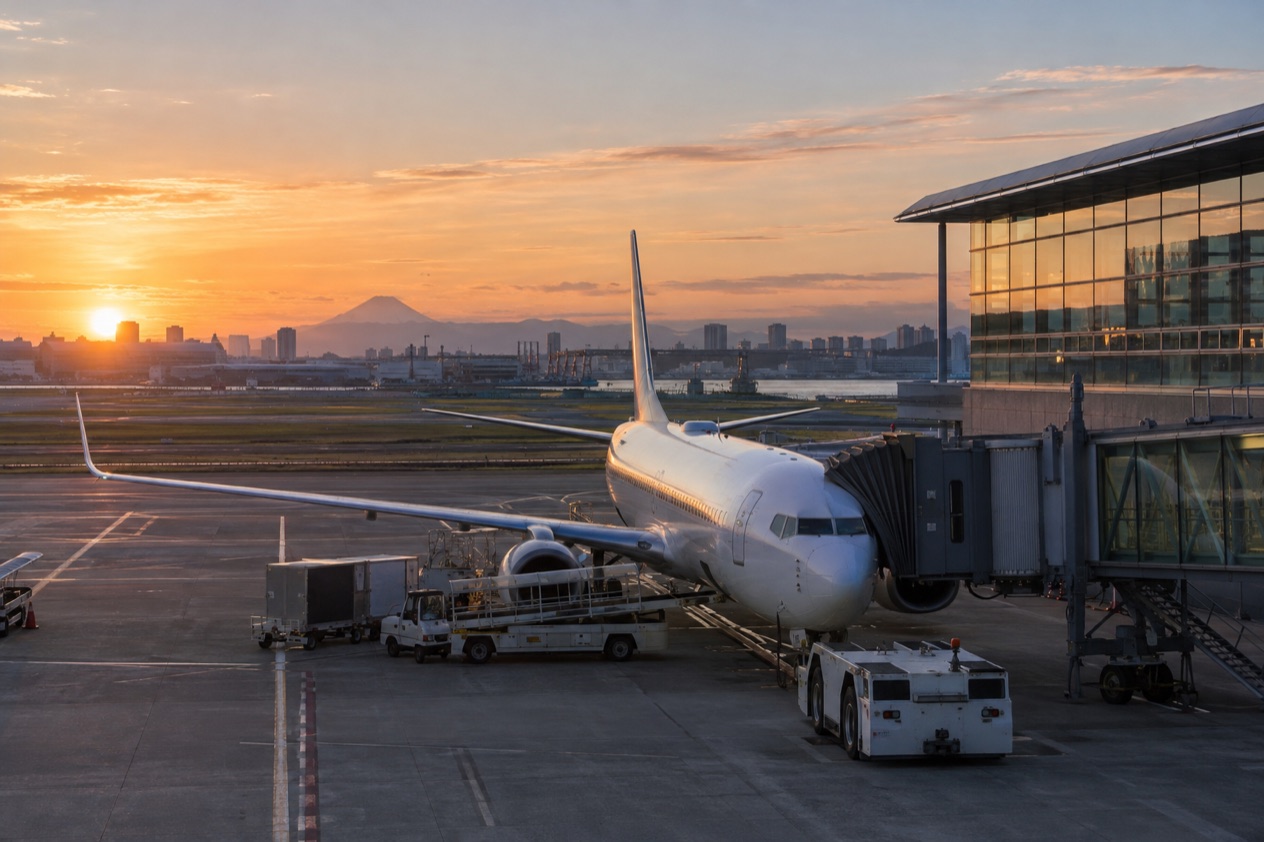
ZIPAIR Tokyo is a Japanese low-cost airline headquartered on the grounds of Narita International Airport, in Narita, Chiba Prefecture. That ownership shapes the airline’s identity, because it leases some of its Boeing 787 Dreamliner fleet from its parent.
The word that matters most to a traveler is low-cost. A low-cost carrier builds its fare around the seat and the flight, then charges separately for the rest. If you are used to full-service airlines where a meal and a bag are folded into the ticket, ZIPAIR asks you to think a little differently while planning.
Where it comes from
ZIPAIR Tokyo commenced operations on June 3, 2020, as a cargo-only airline. That is an unusual start for a company that sells seats today, and it tells you the airline began life moving freight before it welcomed travelers on board.
Passenger operations followed on October 16, 2020. From that point the airline became something an American planning a trip to Japan could consider. Its operating base remains Narita International Airport, the same place where the company has its headquarters, so the people running the airline and the planes themselves share one home.
At the top of the company are Hiroo Iwakoshi, the chairman, and Yasuhiro Fukada, the president and CEO.
Two kinds of seats
ZIPAIR Tokyo offers two types of seats: ZIP Full Flat and standard. The names say a lot. ZIPAIR Tokyo offers two types of seats: ZIP Full Flat and standard.
Choosing between them comes down to how you like to travel. If you sleep well on a plane and want to arrive in Japan rested, the flat seat is the one to look at. If you are happy to sit, read and watch something, standard keeps the ticket simpler. Either way, the extra services below work the same.
What you pay for on board
As a low-cost carrier, ZIPAIR Tokyo charges fees for extra services such as additional baggage allowances and a buy on board service for in-flight catering, amenities and goods. This applies regardless of seat type, so a flat seat does not change the principle. Food, drinks, comforts and extra bags are things you add rather than things that arrive by default.
In practice that makes the fare a starting point. Think of the ticket as the seat and the flight, then decide what you want around it: a meal at your seat, something to make the night easier, or more luggage for the trip home with gifts from Japan.
Entertainment and Wi-Fi
There are no in-seat screens. ZIPAIR Tokyo provides streamable in-flight entertainment to personal devices instead, along with complimentary Wi-Fi Internet access. The idea is that your own phone, tablet or laptop becomes the screen.
That suits people who already carry a device loaded with downloads, a book or a show they have been saving. It also means the entertainment goes where you go in the cabin, and the Wi-Fi comes at no charge. For anyone who relies on a seatback screen out of habit, it is a change worth knowing about before the flight.
Zipair Point Club
The airline’s frequent-flyer program is called Zipair Point Club. If you expect to fly with ZIPAIR more than once, it is the program tied to the carrier.
Which routes does it fly?
ZIPAIR Tokyo flies from Narita International Airport, its operating base in Chiba Prefecture, and that single fact anchors every trip you plan with it. ZIPAIR Tokyo’s operating base is Narita International Airport.
For a trip to Japan, that is the part to hold onto. The airline’s headquarters sit on the grounds of the same airport where its planes are based, so the carrier and the terminal are tied together in a way that is easy to picture when you look at a map of your arrival.
Why the base matters
ZIPAIR’s operating base is Narita International Airport. When you see a ZIPAIR flight in a search, you can read it as a Narita flight first and a Tokyo flight second, since the name of the city is in the brand but the airport is in Chiba Prefecture.
That distinction is useful when you build the rest of your trip. Your first night in Japan, your first train and your first impression of the country all start from the airport where the plane lands. Plan from Narita and you plan from the right place.
Passenger flights and the cargo past
The airline began as a cargo-only operation in 2020 and added passenger operations later that same year. Today it is known to travelers as a passenger carrier, and the Dreamliners it leases from its parent are the aircraft you would board. Because some of the fleet is leased from Japan Airlines, you are flying on a type of jet familiar from long routes, under the ZIPAIR name.
Specific city pairs, frequencies and seasons change from one schedule to the next, and the airline’s own booking pages are where they appear. What stays fixed is the home airport and the kind of aircraft.
Putting a ZIPAIR flight into a Japan trip
Think of the flight as the first piece of a larger plan. Once you know you land at Narita, you can sketch the days that follow: a few nights in Tokyo, perhaps a move on to Kyoto and Osaka, a stop in Hakone for an onsen, or a loop that returns to Narita for the flight home.
Because the airline’s base is also where it starts and ends its journeys, coming back to Narita at the end of the trip is a natural way to close the loop. Planning the last night near the airport, with your bags sorted and your souvenirs packed, keeps the final day calm.
What should you know before you book?
Before you book, know that ZIPAIR is a low-cost airline: the fare buys the seat, and extras such as additional baggage and food are paid for separately. Hold that idea and most of the other details fall into place.
Decide which seat you want
The airline sells ZIP Full Flat and standard seats. Look at them as two different ways of spending the same flight. One is built around lying flat, the other around sitting up, and the choice depends on how you rest on a plane and how much you want to arrive in Japan refreshed.
Whichever you pick, the buy on board charges for catering, amenities and goods apply the same way. A flat seat does not include a meal by default, and a standard seat does not exclude one. You decide what to add.
Think about baggage and catering
Additional baggage allowances carry a fee, so pack with the airline’s approach in mind. If you are heading to Japan for a long stay, or planning to bring home ceramics, snacks and clothes, the extra allowance is something to weigh when you compare ZIPAIR with other carriers.
In-flight catering is also a paid service. Travelers like to eat a meal on the plane, and many prefer to bring something from home. ZIPAIR’s buy on board model leaves that decision to you, and you pay only for what you pick.
Bring a device for the flight
There are no screens built into the seats. Entertainment streams to personal devices, and Wi-Fi Internet access is complimentary. So the question to ask yourself before you pack is simple: what will you watch or read, and is your device ready?
The free Wi-Fi gives you a connection while you are in the air, which can be useful for messages and for planning the first days in Japan.
Know who you are flying with
ZIPAIR Tokyo is a Japanese airline and a wholly owned subsidiary of Japan Airlines. If the JAL connection makes you more comfortable, that is a fact you can rely on. It remains its own low-cost brand, though, with its own seats, its own fee structure and its own frequent-flyer program, Zipair Point Club.
When you compare a ZIPAIR fare with one from a full-service airline, compare what each includes, not only the headline price. A low base fare and a handful of add-ons can land in a different place than a single all-inclusive ticket, and the right answer depends on what you actually want during the flight.
Good to know before you go
The U.S. State Department rates Japan Level 1: Exercise Normal Precautions.
Because ZIPAIR charges for extras on board, it helps to decide beforehand what you want to buy and to keep a payment method handy for the buy on board service. Once you land at Narita, the rest of Japan opens up, from Tokyo’s neighborhoods to the rail lines that carry you toward Kyoto, Osaka and beyond. Carry a charged device for the entertainment, pack to the baggage allowance you chose, and let the flight be the first easy hours of the trip.
Sources
- Wikipedia, Zipair Tokyo (https://en.wikipedia.org/wiki/Zipair_Tokyo), checked October 11, 2026
- U.S. Department of State, Japan travel advisory (https://travel.state.gov/content/travel/en/traveladvisories/traveladvisories/japan-travel-advisory.html)
To plan your stay
- Best Time to Visit Japan: Cherry Blossoms, Autumn Colors, Weather and Festivals
- Where to Stay in Japan: Ryokan, Temple Stays, Capsule Hotels and the Best Cities to Base In
- Sending Luggage from the Airport in Japan: Hands-Free Travel, Hotel Delivery and Coin Lockers
- Know Before You Go to Japan: Entry, Money, Etiquette and Getting Around