
Standing in front of a ticket machine in Osaka, with Kyoto, Nara and Himeji all on the list, is where the JR West question tends to come up. JR West sells several passes, each tied to a region, and the two that most visitors weigh are the Kansai Area Pass and the Hokuriku Area Pass.
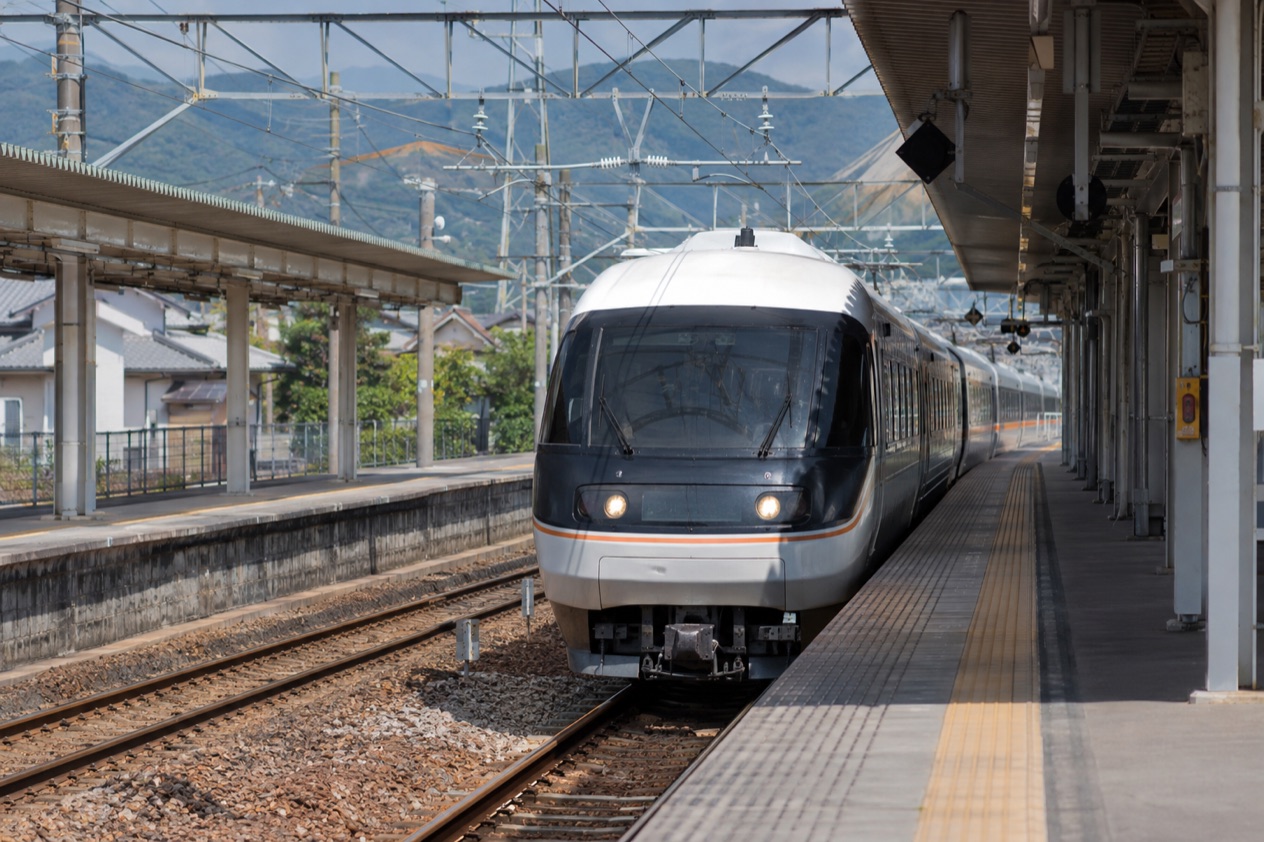
What is the JR West Rail Pass?
There is no single pass with that name: JR West offers several types of tickets for travel to Kyoto, Osaka, Toyama, Kanazawa, Okayama and Hiroshima, and each one is built around a region and a number of days. JR West is one of the six passenger companies of the JR Group, which was formed on April 1, 1987, when the government-owned Japanese National Railways was divided and privatized. Its headquarters is in Kita-ku, Osaka.
The company runs a large share of the rails that visitors use, from the commuter trains of the Osaka, Kobe and Kyoto area to the Sanyo Shinkansen between Osaka and Fukuoka, its highest-grossing line. Because JR keeps common ticketing rules inherited from the old national railway, a traveler can ride across several JR companies without changing trains or buying separate tickets. The Japan Rail Pass, offered jointly by the six companies, is the one ticket accepted across all of them, while the regional passes stay within their own area.
The Kansai Area Pass
This is the pass for a base in Osaka or Kyoto. It gives unlimited rides in the major Kansai areas, including Osaka, Kyoto, Kobe, Nara, Himeji, Wakayama and Otsu, so day trips to the deer of Nara or the white castle at Himeji fit inside it. It is valid on Special Rapid Services, Rapid Services and Local trains on JR-West conventional lines in the valid area, and on reserved seats on the Kansai-airport Express HARUKA.
The HARUKA can be used with reserved seating up to 2 times. The pass also works on WEST JAPAN JR BUS route buses within the valid area, though not on expressway buses. Children aged 1 to 5 ride free with a pass holder, up to two of them, and babies under 1 year old are accompanied free. From the third child aged 1 to 5, each one needs a Child’s rail pass.
| Kansai Area Pass | Adult (12 and over) | Child (6-11) |
|---|---|---|
| 1 day | 2,800 yen | 1,400 yen |
| 2 days | 4,800 yen | 2,400 yen |
| 3 days | 5,800 yen | 2,900 yen |
| 4 days | 7,000 yen | 3,500 yen |
The Hokuriku Area Pass
The Hokuriku Area Pass is for a trip through Toyama, Ishikawa and Fukui prefectures, which means Kanazawa and the towns around it. It is valid for non-reserved seats on the Hokuriku Shinkansen between Tsuruga and Kurobe-Unazukionsen, and on limited express trains, rapid services and local trains on JR-West conventional lines. West Japan JR Bus route buses inside the area are covered, expressway buses are not.
The 4-day pass costs 7,000 yen for adults aged 12 or over and 3,500 yen for children aged 6 to 11. Like the Kansai pass, it lets a holder bring up to two children aged 1 to 5 free, with a Child’s rail pass required from the third. Holders must carry a passport issued by a foreign government.
Other JR West options
A special offer gives unlimited rides on JR local and rapid trains in the Kansai-Nanki area for 3 consecutive days at ¥1,500. The JR-WEST All Area Pass is the wide one, allowing travel by train, bus and certain ferries in West Japan. Among the ferries is the JR Miyajima Ferry, run by JR-West Miyajima Ferry Company, which goes to the island of Miyajima.
Which areas does it cover?
JR West passes cover the Kansai region around Osaka and Kyoto, the Hokuriku region around Kanazawa, and, with the wider tickets, Okayama and Hiroshima. Which one you hold decides which of those you can ride, so the area matters more than the days.
Kansai: Osaka, Kyoto, Kobe, Nara and beyond
The Kansai Area Pass reaches Osaka, Kyoto, Kobe, Nara, Himeji, Wakayama and Otsu. In the Osaka, Kobe and Kyoto metropolitan area the JR-West Urban Network runs commuter trains as often as every two minutes at peak hours, and Special Rapid Service trains on the JR Kobe and JR Kyoto lines operate at up to 81 miles/h. Urban Network stations in the area are equipped to handle ICOCA fare cards.
ICOCA is an electronic card used for riding trains and also as electronic money for shopping, so it covers the small trips and purchases a pass does not. Hotel Granvia Kyoto, owned by West Japan Railway Hotel Development Company, is one of the group’s names you will meet around Kyoto. The Sagano Scenic Railway, a JR West subsidiary, is another.
Hokuriku: Toyama, Ishikawa and Fukui
The Hokuriku Area Pass provides unlimited rides only in Toyama, Ishikawa and Fukui prefectures. It cannot be used on the Hokuriku Shinkansen between Kurobe-Unazukionsen and Tokyo, so it is a pass for exploring the region, not for getting there from the capital. On the Hokuriku Shinkansen within the valid area, a GranClass seat needs a separate GranClass ticket in addition to the pass.
Three stretches run on other railways and come with conditions. On the IR Ishikawa Railway Line, travel between Kanazawa and Tsubata must be on local or limited express trains and cover the full segment, with no getting off at intermediate stations.
On the Ainokaze Toyama Railway Line, between Toyama and Takaoka, it must be local trains over the full segment, again with no intermediate stops. On the Hapi-Line Fukui, travel is on local trains only between Echizen-Hanando and Fukui, and going beyond those stations is not covered.
Passes from other JR companies
Other regions have their own passes. The JR TOKYO Wide Pass reaches Lake Kawaguchiko (Mount Fuji), Nikko and the Izu Peninsula, and the JR EAST PASS covers JR East lines including Tokyo, Tohoku, Nagano and Niigata. The Hokuriku Arch Pass allows travel between Tokyo and Osaka via Nagano, Toyama, Ishikawa and Fukui prefectures.
JR Central offers four types of passes for Chubu and Hokuriku sites such as Shirakawa-go, Takayama, Kanazawa, Kumano Kodo, Ise, Mount Fuji and the Tateyama Kurobe Alpine Route. Farther afield are the Hokkaido Rail Pass, the JR East-South Hokkaido Rail Pass, the ALL SHIKOKU Rail Pass for the six railway companies on Shikoku, and the JR KYUSHU RAIL PASS, available in different types.
How do you buy it?
JR West tickets are bought through JR West, and the rail network shares an integrated reservation system known as MARS, jointly developed with Hitachi, for reservations across the JR Group. The details that matter for a visitor are who can buy which pass and which reservations can be made ahead.
Choosing the right pass
Start from the base. A stay built around Osaka and Kyoto, with Nara or Himeji as day trips, points to the Kansai Area Pass, and the length of the pass follows the number of days you will be moving by train.
A route through Kanazawa and the towns of Toyama and Fukui points to the Hokuriku Area Pass. A longer trip across several regions is where the Japan Rail Pass, accepted by all passenger JR companies, comes in.
Look at the child rules before you choose. Both area passes let two children aged 1 to 5 travel free with a holder, and children aged 6 to 11 pay the child price.
Reserving seats and tickets
Online reservation through JR West’s system allows booking of regular tickets and limited express tickets. For the Tokaido-Sanyo-Kyushu Shinkansen, Smart EX allows reservation and payment for tickets before visiting Japan. Passengers on that Shinkansen with oversized baggage, with total dimensions of 160 cm or more, must reserve a seat with an oversized baggage area.
On the Hokuriku pass, seats on the Hokuriku Shinkansen are non-reserved. On the Kansai pass, reserved seating is possible on the HARUKA up to 2 times. For small rides the pass does not cover, an ICOCA card works as a fare card and as electronic money.
Good to know before you go
Passes pay only for the rides they cover, so everyday extras still come out of your pocket: the IR Ishikawa, Ainokaze Toyama and Hapi-Line segments follow their own conditions, and expressway buses sit outside both area passes. An ICOCA card handles those small fares and purchases in shops. Keep your passport with you, since the Hokuriku pass requires a foreign-issued one, and keep the child ages in mind if you travel as a family.
Sources
- Japan National Tourism Organization, Japan Rail Pass and regional passes (https://www.japan.travel/en/plan/jr-rail-passes/), checked October 11, 2026
- West Japan Railway Company, Hokuriku Area Pass (https://www.westjr.co.jp/global/en/ticket/pass/hokuriku/), checked October 11, 2026
- West Japan Railway Company, Kansai Area Pass (https://www.westjr.co.jp/global/en/ticket/pass/kansai/), checked October 11, 2026
- West Japan Railway Company, Tickets and passes (https://www.westjr.co.jp/global/en/ticket/), checked October 11, 2026
- Wikipedia, Japan Railways Group (https://en.wikipedia.org/wiki/Japan_Railways_Group), checked October 11, 2026
- Wikipedia, West Japan Railway Company (https://en.wikipedia.org/wiki/West_Japan_Railway_Company), checked October 11, 2026
To plan your stay
- Best Time to Visit Japan: Cherry Blossoms, Autumn Colors, Weather and Festivals
- Where to Stay in Japan: Ryokan, Temple Stays, Capsule Hotels and the Best Cities to Base In
- Sending Luggage from the Airport in Japan: Hands-Free Travel, Hotel Delivery and Coin Lockers
- Know Before You Go to Japan: Entry, Money, Etiquette and Getting Around