
Standing in front of a ticket machine at a big JR station, with a route map full of colored lines and a Japan Rail Pass price in the back of your mind, is where this question usually begins. For a trip that stays in Tokyo and the north, around Kansai, in the Hokuriku arc or on Kyushu, those smaller passes and plain single tickets are the real alternatives.
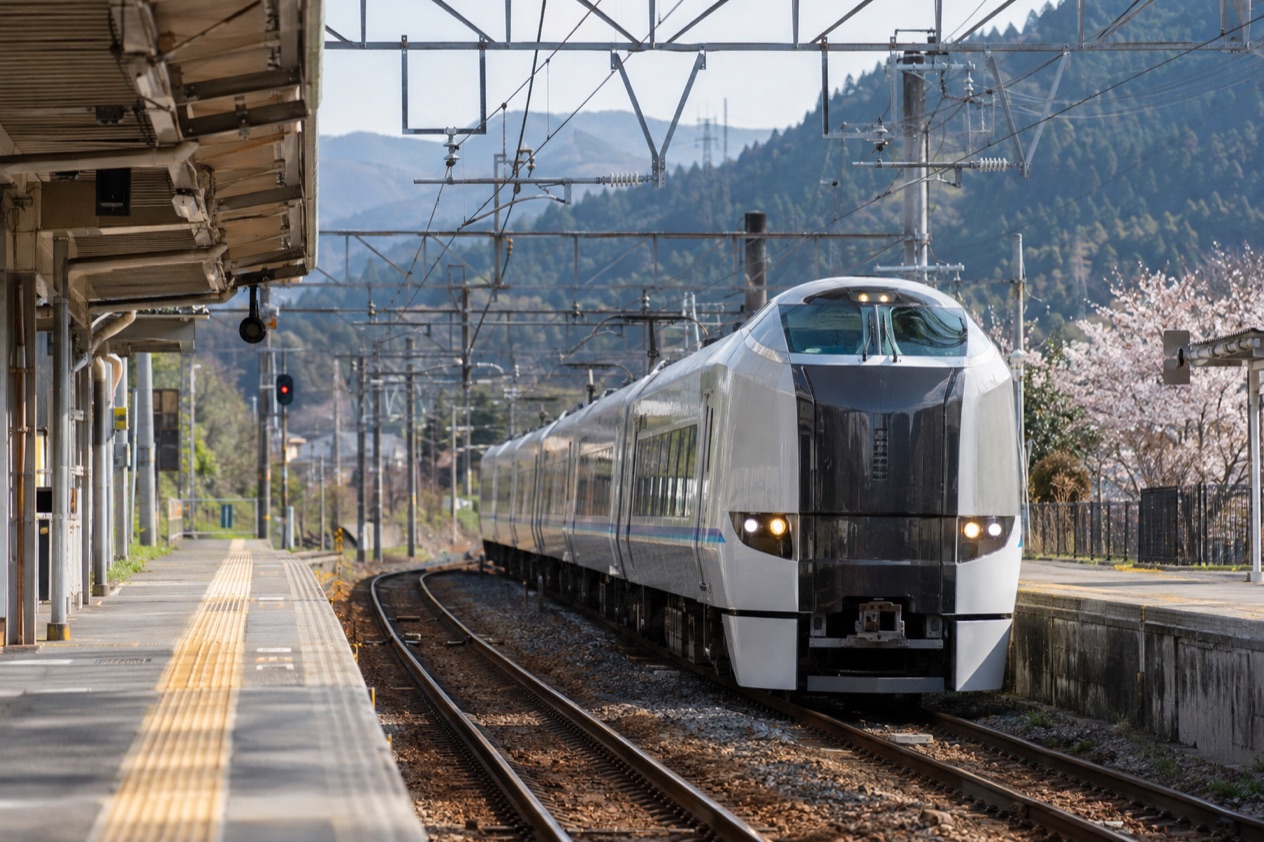
What can you use instead of the Japan Rail Pass?
Instead of the nationwide pass, you can use a regional pass from one JR company, a day ticket for a single city, or ordinary tickets bought for each trip, with an ICOCA card or Smart EX reservations to smooth the way. The Japan Rail Pass itself is sold by the Japan Railways Group only to overseas visitors, and it comes in consecutive periods of 7, 14 or 21 days. A regional pass trades that national reach for a smaller map, which suits a trip built around one part of the country.
Passes from JR East around Tokyo and the north
The JR EAST PASS gives unlimited travel on JR East lines for a set period and reaches Tokyo, the Tohoku region, Nagano and Niigata. Two longer versions continue north: the JR East-South Hokkaido Rail Pass covers all trains in the eastern part of Japan and southern Hokkaido, and the JR Tohoku-South Hokkaido Rail Pass is a second option for the same northern crossing.
For a shorter stay centered on the capital, the JR TOKYO Wide Pass reaches Lake Kawaguchiko (the Mount Fuji side), Nikko and the Izu Peninsula. The Hokuriku Arch Pass runs the other way across the main island, linking Tokyo and Osaka through Nagano, Toyama, Ishikawa and Fukui prefectures. It is a pass for one long sweep rather than a base in a single city.
| Pass | Valid for | Adult 12+ (yen) | Child 6-11 (yen) |
|---|---|---|---|
| JR EAST PASS | 5 days | 35,000 | 17,500 |
| JR EAST PASS | 10 days | 50,000 | 25,000 |
| JR East-South Hokkaido Rail Pass | 6 days | 40,000 | 20,000 |
| JR Tohoku-South Hokkaido Rail Pass | 6 days | 32,000 | 16,000 |
| Hokuriku Arch Pass | 7 days | 35,000 | 17,500 |
| JR TOKYO Wide Pass | 3 days | 16,000 | 8,000 |
Day tickets for Tokyo, Yokohama and Sendai
Some alternatives are tiny. JR East sells one-day tickets for the Tokyo area, from the Tokyo 1-Day Ticket and the Tokyo Metropolitan District Pass (known as the Tokunai Pass) to the NONBIRI Holiday Suica Pass, plus the Yokohama-Minatomirai Pass and the SENDAI AREA PASS. They are the sort of ticket you buy for a single day of wandering, when a nationwide pass would sit mostly unused.
The N’EX TOKYO Round Trip Ticket is a different animal: it gives direct airport access between Narita Airport and the Tokyo city area, and stays valid for a fortnight so the return leg can wait until the end of the trip.
| Ticket | Valid for | Adult 12+ (yen) | Child 6-11 (yen) |
|---|---|---|---|
| Tokyo 1-Day Ticket | 1 day | 1,720 | 860 |
| Tokyo Metropolitan District Pass (Tokunai Pass) | 1 day | 870 | 430 |
| NONBIRI Holiday Suica Pass | 1 day | 2,850 | 1,420 |
| Yokohama-Minatomirai Pass | 1 day | 560 | 280 |
| SENDAI AREA PASS | 1 day | 1,420 | 720 |
| N’EX TOKYO Round Trip Ticket | 14 days | 5,200 | 2,600 |
Cards and online reservations
ICOCA is an electronic card that works for riding trains and doubles as electronic money for shopping, so a traveler without any pass can still tap through gates and pay for small purchases with the same card. For longer hauls, Smart EX lets you reserve and pay for Tokaido-Sanyo-Kyushu Shinkansen tickets before you arrive in Japan.
JR West’s online system also takes reservations for regular tickets and limited express tickets. On the Tokaido-Sanyo-Kyushu Shinkansen, passengers with oversized baggage must reserve a seat in a car with an oversized baggage area, which is worth knowing when a trip means a large suitcase and several bullet trains.
Which regional passes are there?
Besides the JR East family, there are regional passes for Kansai, the Hokuriku coast, Chubu, Kyushu, Shikoku and Hokkaido, each tied to one railway company or island. Prices and conditions belong to each pass, so a rule that applies to one never carries over to another.
Kansai Area Pass
The Kansai Area Pass gives unlimited rides in the major Kansai areas, among them Osaka, Kyoto, Kobe, Nara, Himeji, Wakayama and Otsu. It is valid on Special Rapid, Rapid and Local trains of the JR-WEST conventional lines in that area, and on reserved seats of the Kansai-airport Express HARUKA, which it can be used for up to two times.
One-day, two-day, three-day and four-day versions exist. An adult or child pass holder can bring up to two children aged 1 to 5 along for free, babies under 1 are also free, and from the third young child onward each needs a Child’s pass. The pass works only on West Japan JR Bus route buses inside the area, not on expressway buses.
Hokuriku Area Pass
The Hokuriku Area Pass gives unlimited rides only in Toyama, Ishikawa and Fukui prefectures. It covers non-reserved seats on the Hokuriku Shinkansen between Tsuruga and Kurobe-Unazukionsen, plus limited express, rapid and local trains on JR-West conventional lines. The holder must carry a passport issued by a foreign government, and up to two children aged 1 to 5 travel free with an adult or child holder.
A few stretches come with conditions. On the IR Ishikawa Railway between Kanazawa and Tsubata, the ride must be on a local or limited express and cover the whole segment. The same whole-segment rule applies on the Ainokaze Toyama Railway between Toyama and Takaoka, on local trains only. On the Hapi-Line Fukui, the pass is good only between Echizen-Hanando and Fukui.
Kyushu, Shikoku, Hokkaido and Chubu
The JR Kyushu Rail Pass is a ticket for foreign visitors that allows travel between several cities on the island, and passengers show their passport when boarding. It comes as an All Kyushu pass, a Northern Kyushu pass and a Southern Kyushu pass. The Fukuoka Wide version reaches the main tourist spots of Fukuoka Prefecture and the Karatsu area in Saga Prefecture, with free boarding on non-reserved seats of Limited Express and Local trains.
The ALL SHIKOKU Rail Pass allows unlimited use of all trains of the six railway companies on Shikoku. In Hokkaido, the Hokkaido Rail Pass covers all JR Hokkaido trains except the Hokkaido Shinkansen line and the SL Fuyu-no-Shitsugen train.
JR Central sells four passes for the Chubu and Hokuriku regions, aimed at Shirakawa-go, Takayama, Kanazawa, Kumano Kodo, Ise, Mount Fuji and the Tateyama Kurobe Alpine Route. JR West also offers a JR-WEST All Area Pass that covers trains, buses and certain ferries in West Japan.
| Pass | Valid for | Adult 12+ (yen) | Child 6-11 (yen) |
|---|---|---|---|
| Kansai Area Pass | 1 day | 2,800 | 1,400 |
| Kansai Area Pass | 2 days | 4,800 | 2,400 |
| Kansai Area Pass | 3 days | 5,800 | 2,900 |
| Kansai Area Pass | 4 days | 7,000 | 3,500 |
| Hokuriku Area Pass | 4 days | 7,000 | 3,500 |
| All Kyushu | 3 days | 22,000 | 11,000 |
| All Kyushu | 5 days | 24,000 | 12,000 |
| All Kyushu | 7 days | 26,000 | 13,000 |
| Northern Kyushu | 3 days | 15,000 | 7,500 |
| Northern Kyushu | 5 days | 17,000 | 8,500 |
| Southern Kyushu | 3 days | 12,000 | 6,000 |
| JR Kyushu Rail Pass Fukuoka Wide | 2 days | 3,060 | 1,530 |
When are single tickets cheaper?
Single tickets come into play wherever a pass stops short of your route, so the useful question is what each pass leaves out. Several of those gaps are written into the rules, and a plan that crosses one of them needs an ordinary ticket for that piece.
Trains and lines a pass leaves out
The Japan Rail Pass covers almost all JR trains, including the Shinkansen, but holders pay an additional special ticket for the Nozomi service on the Tokaido and Sanyo Shinkansen and the Mizuho service on the Sanyo and Kyushu Shinkansen. Surcharges also apply on JR trains that run over tracks JR does not own, such as the Tokyo Waterfront Railway Rinkai Line between Osaka and Shin-Kiba, the Izukyu Railway from Ito to Shimoda, and the Kyoto Tango Railway from Fukuchiyama to Toyooka.
City subways are not covered, though local JR lines such as the Yamanote line in Tokyo and the Osaka Loop Line are. The pass does work on the Tokyo Monorail between Hamamatsucho and Haneda Airport and on the JR Ferry between Miyajima and Miyajimaguchi. The practical result in a big city: a day mixing JR and subway rides pairs the pass with a separate fare, or with an ICOCA card that holds a balance.
Limits inside the regional passes
The Hokuriku Area Pass cannot be used on the Hokuriku Shinkansen between Kurobe-Unazukionsen and Tokyo, so a trip that begins in the capital needs a ticket for that stretch. A GranClass seat within the valid area takes a separate GranClass ticket on top of the pass. The pass is valid only on West Japan JR Bus route buses and not on expressway buses, a limit the Kansai Area Pass shares.
The Kansai Area Pass allows reserved seating on the HARUKA only twice, so a third airport run, or a reserved seat on another train outside the list of valid services, would be paid for separately. The Fukuoka Wide pass allows free boarding only on non-reserved seats, which leaves reserved seats as another matter.
Planning around the gaps
A few details shape the shopping. The Shinkansen never runs overnight, and most trains do not operate around the clock, so a pass day that starts and ends at midnight is counted on the calendar.
A 7-day pass activated at noon on a given day ends at midnight seven days later, not at noon the next day. Seat reservations on Japan Rail Pass-eligible trains can be made without extra payment at JR Midori no Madoguchi ticket offices.
A small special offer shows how local the deals can be: unlimited rides on JR local and rapid trains in the Kansai-Nanki area for three consecutive days, at ¥1,500. That is a ticket for slow trains in one area, and it says nothing about faster services or other regions.
Good to know before you go
Everything on a pass is priced in yen, and child fares for the passes above apply to ages 6 to 11, while adult fares start at 12. An ICOCA card, which also works as electronic money for shopping, can sit beside whichever pass you choose for the rides it leaves out. Spring and autumn bring their own travel patterns across the country, and the typhoon season in late summer is worth keeping in mind when you set a rail itinerary with fixed days.
Sources
- Japan National Tourism Organization, Japan Rail Pass and regional passes (https://www.japan.travel/en/plan/jr-rail-passes/), checked October 11, 2026
- West Japan Railway Company, Hokuriku Area Pass (https://www.westjr.co.jp/global/en/ticket/pass/hokuriku/), checked October 11, 2026
- West Japan Railway Company, Kansai Area Pass (https://www.westjr.co.jp/global/en/ticket/pass/kansai/), checked October 11, 2026
- West Japan Railway Company, Tickets and passes (https://www.westjr.co.jp/global/en/ticket/), checked October 11, 2026
- JR Kyushu, Rail passes (https://www.jrkyushu.co.jp/english/railpass/), checked October 11, 2026
- Wikipedia, Japan Rail Pass (https://en.wikipedia.org/wiki/Japan_Rail_Pass), checked October 11, 2026
- Wikivoyage, Japan Rail Pass (https://en.wikivoyage.org/wiki/Japan_Rail_Pass), checked October 11, 2026
- JR East, JR-EAST Pass overview (https://www.jreast.co.jp/e/pass/), checked October 11, 2026
To plan your stay
- Best Time to Visit Japan: Cherry Blossoms, Autumn Colors, Weather and Festivals
- Where to Stay in Japan: Ryokan, Temple Stays, Capsule Hotels and the Best Cities to Base In
- Sending Luggage from the Airport in Japan: Hands-Free Travel, Hotel Delivery and Coin Lockers
- Know Before You Go to Japan: Entry, Money, Etiquette and Getting Around