
A server sets down a small tray of hot towels and menus, and you wonder whether the glass of water that follows is one you can simply drink. Or you stand in front of a hotel sink with an empty bottle in your hand. In Japan the answer is yes: tap water is safe to drink, and in restaurants you only have to ask for it.
Is tap water safe to drink in Japan?
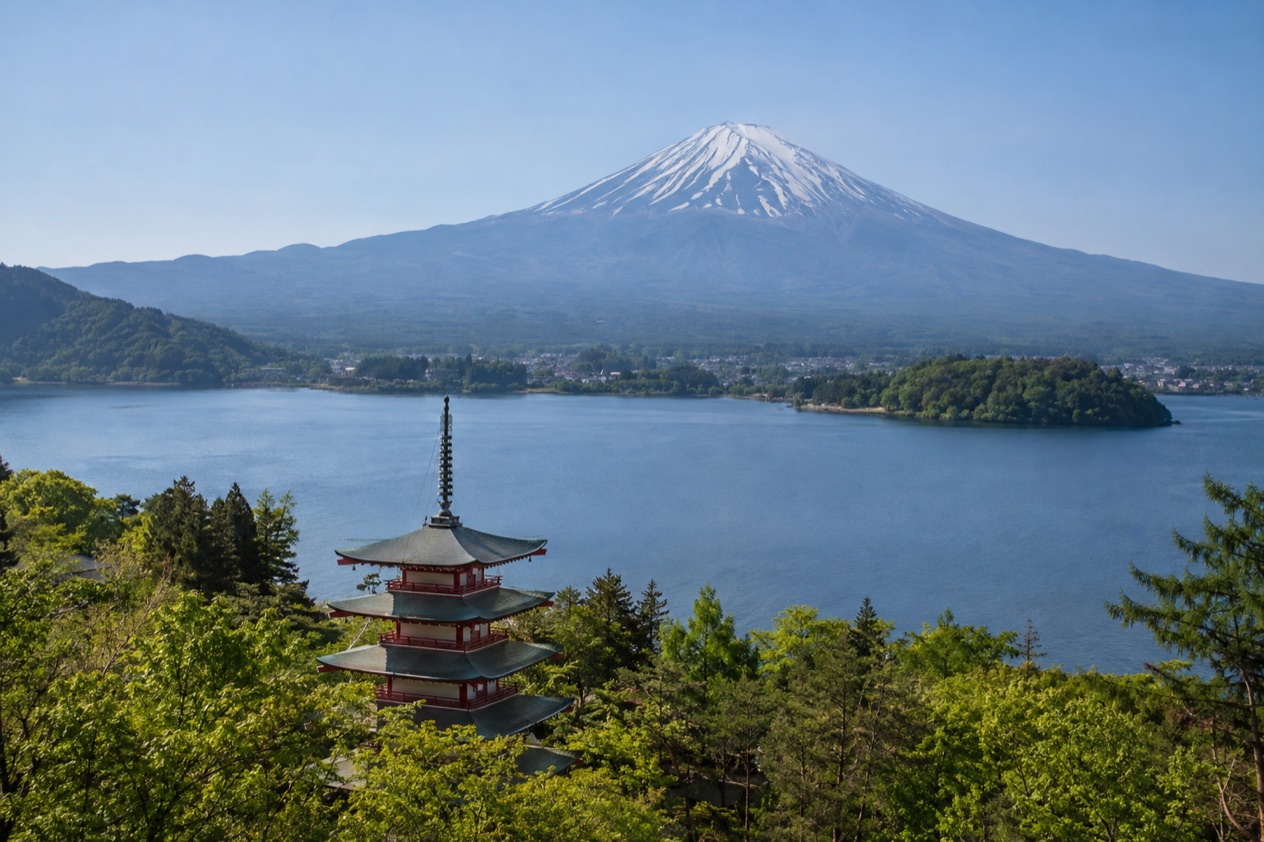
Yes, tap water in Japan is safe to drink, according to the Japan National Tourism Organization, and in many mountainous regions it is a source of local pride. That pride has a reason. In those regions the water comes from fresh, clean mountain sources, the streams and springs that gather on the surrounding peaks before they reach the pipes of a town.
For a traveler this means a short list of habits rather than a list of precautions. You drink from the tap, you accept the glass of water a restaurant brings, and you fill your bottle before you leave for the day. Nothing about the water asks you to change your routine, which leaves your attention free for the things Japan does ask you to notice, such as the heat of a summer afternoon.
Water in restaurants
Most restaurants in Japan provide tap water free of charge, and you just need to ask the staff. In many places a glass arrives without a word as soon as you sit down, often with the menu or the hot towel. At others you catch the server’s eye and ask for water, and a glass or a pitcher comes to the table.
This applies to the whole range of places where you might eat a meal: a counter serving bowls of ramen, a lunch spot with set meals, an izakaya (a casual pub with small plates) in the evening. The water sits beside the food as part of the table, in the same way a cup of tea might arrive next to a set lunch. Asking for it is an ordinary request and not a favor.
Mountain regions and the water you taste
If you travel into the mountains, whether to a hot spring town, a hiking base or a village on a valley road, the water is part of the landscape. Mountain regions take particular pride in it because it comes from the peaks around them, and a glass of tap water there can taste cool and clean in a way that surprises people used to city water at home.
It is a good reason to drink the local water instead of reaching for a bottle at every stop. A ryokan (a traditional inn) in the hills or a small guesthouse in a river valley is a place where you notice the taste. Pay attention to it the way you would to the local tea or the rice, since all three come from the same surroundings.
Staying hydrated when it is humid
Summer humidity in Japan raises the risk of dehydration, even for people who are used to it, so the advice is to stay hydrated and to carry water with you at all times. The reminder matters most on days of walking: temple grounds, castle paths, long stretches between shrines, the stairs of a station, the lines at a popular sight.
Sports drinks rich in minerals are a good way to stay hydrated, but you should also drink plenty of plain water. Think of the two as partners. A sports drink replaces what a hot day takes out of you, and water keeps the day going between stops.
What tap water means for your daily routine
Because the tap water is safe, a reusable bottle becomes the most useful thing in your bag. You can fill it in the morning, drink from it between sights and top it up again at the end of the day, and you will rarely need to think about water as a purchase. Bottled water remains an option whenever you want it, and it is stocked in the shops described below.
A bottle of your own also fits the rhythm of Japanese travel days, which tend to be full of walking, stairs and transfers. When you are crossing a station between trains or waiting at a bus stop, a drink within reach is a small comfort. Pair it with a mineral-rich sports drink on the hottest days and you have covered what the tourism organization advises.
Where can you refill a bottle?
You can refill a bottle from the tap, since the water is safe to drink, and restaurants will bring you free water when you ask. When you would rather buy a bottle than fill one, convenience stores stock bottled water in various sizes, and vending machines also sell drinks.
Convenience stores
The konbini, as Japanese convenience stores are called, are the place where travelers pick up a bottle. A stop at one is also a chance to see how much of the shelf goes to drinks: teas, coffees, sodas and the sports drinks mentioned above.
If you are heading to a hot spring town, a long day of sightseeing or a stretch of countryside, picking up a bottle along the way is a habit that costs nothing in effort. Choose a size to match the plan for the day. Then, once the bottle is empty, you can keep it and fill it from a tap, as the water is safe to drink.
Vending machines
Vending machines also sell drinks, and they are part of the Japanese streetscape. You see them on a corner of a residential block, beside a shrine path, at a station and along a country road. Their rows of cans and bottles are lit and labeled, and they give you a way to buy a drink when no shop is near.
What they sell varies from machine to machine, but the idea is the same: a drink in a few seconds, at any point on your route. For a traveler on a hot day, the sight of one around the next bend can feel like a small piece of good luck. Treat them as a supplement to your own bottle and not a replacement for it.
Asking for water at the table
A restaurant is also a place to drink, not just to eat. Because most restaurants provide tap water free of charge, a meal is a natural pause to take water and rest. Ask the staff, and the water comes without a charge, whether you are at a noodle shop, a grill or a small family-run place.
Try to think of the meal as the moment to drink well and not only to eat well. When you leave, carrying your own bottle means you have the next stretch covered too.
Water at shrines and temples
At the entrance of many shrines and temples you will see a stone basin with ladles, the temizuya. The water there is for the purification ritual, in which visitors rinse their hands and mouth before approaching the main hall, and it is not a drinking fountain. Watching how others use the ladle is a pleasant way to learn the gesture.
The same grounds can be a long walk through gravel paths and stairs, so a bottle of your own is useful. Fill it before you set out, and keep the basin for what it is meant for. It is a small piece of etiquette that also shows how water carries meaning in Japanese daily life, apart from drinking.
What about ice?
Ice comes naturally with cold drinks in Japan, from the glass of water that restaurants bring to iced coffee and iced tea. The water that restaurants serve free of charge is tap water, which the Japan National Tourism Organization describes as safe to drink, so a cold glass is part of an ordinary meal.
Cold drinks in the heat
Summer in Japan is humid, and the country has plenty of ways to cool down. Cafés serve iced coffee and iced tea, restaurants pour cold barley tea (mugicha) or cold green tea, and vending machines sell cold drinks on streets and station platforms. A cold drink during a hot afternoon is part of the rhythm of the day.
Because summer humidity increases the risk of dehydration, even for people used to it, these drinks are more than a pleasure. Pair them with water and, on the hottest days, with a mineral-rich sports drink. The aim is to keep drinking steadily, the way you would keep walking, and not to wait until you feel thirsty.
Shaved ice and cold sweets
Ice is also a dessert in Japan. Kakigori, a bowl of finely shaved ice topped with flavored syrup, is a summer treat found at cafés, festival stalls and seaside spots. Flavors run from strawberry and lemon to matcha, often with sweet red beans or condensed milk. Each bowl arrives as a small mountain you eat quickly before it melts.
You will also see cold sweets in shop windows and at festival stalls during matsuri, the local festivals that fill many summer evenings. Eating one while strolling past lanterns and food stands is a classic way to spend a warm night. Keep a drink of water nearby to go with it.
Ice in your own bottle
If you carry your own bottle, you can fill it from the tap, and the water is safe to drink. Convenience stores sell drinks in various sizes, and a visit gives you the chance to pick up a cold one for the road. For a day of walking, travelers like a bottle in the bag and a second drink bought along the way.
The point is to keep water within reach. The advice is to carry it with you at all times, and the habit is simple once you have started. A bottle in the side pocket, a vending machine around the corner and a free glass at lunch add up to a day in which water is never far.
Good to know before you go
Carry water at all times, and take the summer humidity seriously, since it raises the risk of dehydration even for people used to it. A sports drink rich in minerals helps, alongside plenty of plain water.
Convenience stores stock bottled water in various sizes, vending machines sell drinks, and restaurants bring tap water free of charge when you ask. If you are headed into the mountains, drink the local tap water and taste where it comes from.
Sources
- Japan National Tourism Organization, tap water safety (https://www.japan.travel/en/plan/drinking-water/), checked October 11, 2026
To plan your stay
- Best Time to Visit Japan: Cherry Blossoms, Autumn Colors, Weather and Festivals
- Where to Stay in Japan: Ryokan, Temple Stays, Capsule Hotels and the Best Cities to Base In
- Sending Luggage from the Airport in Japan: Hands-Free Travel, Hotel Delivery and Coin Lockers
- Know Before You Go to Japan: Entry, Money, Etiquette and Getting Around