
Shoes come off at the entrance, slippers slide across dark wooden floors, and the stairs inside a castle keep are steep enough that you hold the rail without being told. Japan still has more than one hundred castles standing in whole or in part, from the white walls of Hyogo Prefecture to the red gates of Okinawa. Here is a look at which ones to visit, which are original and which are best known.
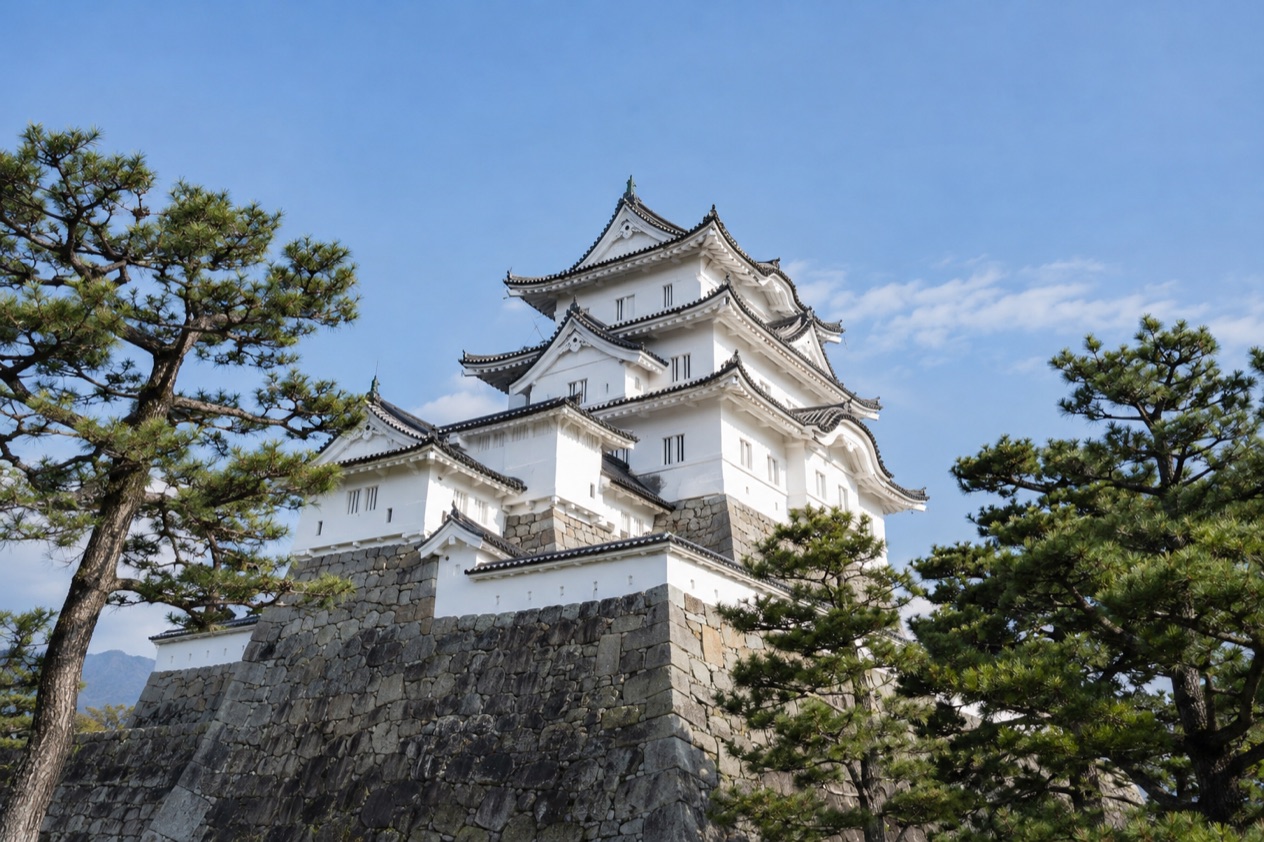
Which castles in Japan can you visit?
More than one hundred castles are extant, or partially extant, in Japan, and a good number of them can be visited, from Hokkaido in the north to the islands of Okinawa in the south. Some keep their main tower (the tenshu) in its historical form. Others are rebuilt, with a museum inside, or survive as walls, moats and a few buildings.
The habits inside are shared by many castles. Open flame and smoking near the castles are usually prohibited, and visitors usually take off their shoes before stepping onto the wooden floors, with slippers usually provided. Plan for socks and for stairs, and for moving through the interior at the pace of the people in front of you.
Himeji, Matsue and Kochi: keeps that survive
Himeji Castle stands in Hyogo Prefecture and is the most visited castle in Japan. It is also on the list of UNESCO World Heritage sites that the Japan National Tourism Organization describes as including castles. Matsue Castle and Kochi Castle were both built in 1611, and their main keeps or other buildings remain in their historical forms.
Together they give you three different settings: Himeji with its famous profile, Matsue and Kochi as places where you can walk through timber structures that belong to their own era. Reading the wooden beams and narrow staircases is much of the pleasure.
Rebuilt castles: Hiroshima and Osaka
Hiroshima Castle was destroyed in the atomic bombing and was rebuilt in 1958 as a museum. Visiting it means walking through a reconstruction whose rooms are given over to exhibits, and its story is tied to the city’s wider history.
Osaka Castle was destroyed by cannon, a reminder that these buildings were fortresses first. Both castles suit travelers who care about the story of a place as much as the age of its timbers.
Goryokaku, Hirosaki and Shuri
Goryokaku in Hokkaido is a French-style star fortress, so the interest lies in its shape and its grounds more than in a tall keep. Hirosaki Castle in Aomori Prefecture is famous in its region for its cherry blossom trees, which makes spring the season people associate with it.
In Okinawa, the colorful castles are part of the UNESCO listing for the southernmost islands. Shuri Castle on Okinawa Island is a UNESCO World Heritage Site, rebuilt in 1992, and a fire in October 2019 burned down a large part of it.
Which are original?
Matsue Castle and Kochi Castle are the clearest answer among the castles named here, since both were built in 1611 and have main keeps or other buildings that remain extant in their historical forms. Himeji Castle in Hyogo Prefecture belongs to the same family of castles that you can still visit as buildings.
Matsue and Kochi, built in 1611
At these two castles the keep or other buildings are not replicas. You step into rooms that carry the look of their original period, with wooden floors that is why shoes come off at the door and slippers are lent.
They suit visitors who prefer atmosphere to polish. The experience is about texture: dark timber, narrow stairs and small windows that tell you how the castle was meant to be defended.
Castles that are rebuilt
Several famous castles are not original. Hiroshima Castle was destroyed in the atomic bombing and rebuilt in 1958 as a museum. Shuri Castle was rebuilt in 1992, and a fire in October 2019 destroyed more than four thousand square metres of it.
Osaka Castle was destroyed by cannon. Azuchi Castle was Japan’s first castle to have a tenshu, and Fushimi Castle is remembered for a tea room covered in gold leaf. These two are names from history, valuable for the stories they carry, while the castles above are where you can see and touch standing structures.
Which are best known?
Himeji Castle in Hyogo Prefecture is the best known, as the most visited castle in Japan, and it sits among the UNESCO sites that the Japan National Tourism Organization groups with castles, a vast national park and historic villages. For many travelers it is the one castle on the itinerary.
Himeji Castle
Himeji is the castle people mean when they say they want to see a Japanese castle. You walk up toward the keep, take off your shoes at the entrance, and climb through wooden interiors in slippers. It suits anyone who wants the full castle experience in one stop.
As with other extant castles, smoking and open flame near the castle are usually prohibited. Leave room in the day, because a castle of this scale is as much about the grounds as the interior.
Osaka, Shuri and Hirosaki
Osaka Castle and Shuri Castle carry stories of destruction and rebuilding, and both draw attention for that reason. Shuri, in Okinawa, is a UNESCO World Heritage Site, rebuilt in 1992, and its color sets it apart from the white and dark castles of the main island.
Hirosaki Castle in Aomori Prefecture is famous in its region for its cherry blossom trees. If your trip falls in blossom season, it gives you a castle seen through petals rather than through stone alone.
Fortresses with a different shape
Goryokaku in Hokkaido is a French-style star fortress, unlike the keep-centered castles of Honshu. It suits travelers who want to see a different kind of fortification and the layout from which it takes its name. Fushimi Castle, famous for its gold-leaf tea room, and Azuchi Castle, Japan’s first castle with a tenshu, belong more to history than to the visitor’s route, but they shape how the others are understood.
Good to know before you go
Inside castles, shoes come off before the wooden floors and slippers are usually provided, so socks are a sensible habit. Open flame and smoking near the castles are usually prohibited. Opening hours and admission vary by castle, so each site is worth looking up on its own before you set out. For Hirosaki, the cherry blossom season is the moment its trees are known for.
Sources
- Japan National Tourism Organization, iconic architecture (https://www.japan.travel/en/things-to-do/attraction/iconic-architecture/), checked October 11, 2026
- Japan National Tourism Organization, samurai and ninja sites (https://www.japan.travel/en/things-to-do/attraction/samurai-and-ninja/), checked October 11, 2026
- Japan National Tourism Organization, World Heritage sites in Japan (https://www.japan.travel/en/world-heritage/), checked October 11, 2026
- Wikipedia, Japanese castle (https://en.wikipedia.org/wiki/Japanese_castle), checked October 11, 2026
To plan your stay
- Best Time to Visit Japan: Cherry Blossoms, Autumn Colors, Weather and Festivals
- Where to Stay in Japan: Ryokan, Temple Stays, Capsule Hotels and the Best Cities to Base In
- Sending Luggage from the Airport in Japan: Hands-Free Travel, Hotel Delivery and Coin Lockers
- Know Before You Go to Japan: Entry, Money, Etiquette and Getting Around