
Picture a ticket hall in Tokyo with a wall map of colored lines fanning out toward Kyoto, Hiroshima and Kanazawa, and a traveler working out whether one pass can stitch those lines into a single trip. The Japan Rail Pass is built for exactly that kind of route, one that crosses regions on JR trains. When the plan stays in one area, one of the regional JR passes may fit better.
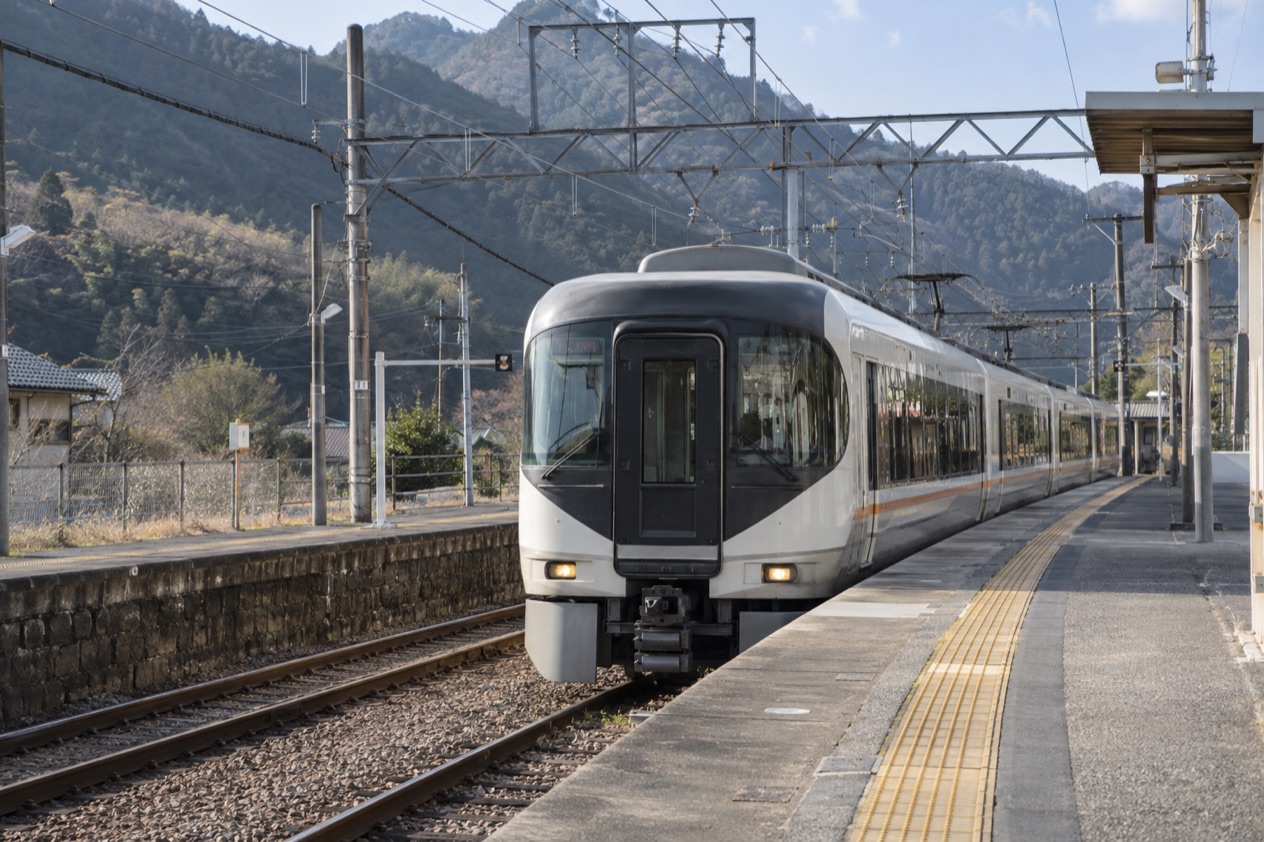
Is the Japan Rail Pass worth it?
It is worth considering when your trip moves across several regions on JR trains, and the answer shrinks when you stay in one city or one corner of the country. The pass gives unlimited travel on almost all JR trains, Shinkansen included, plus certain segments of private railways. The Japan National Tourism Organization describes it as a convenient and economical ticket for train travel throughout Japan, and it is offered jointly by six companies of the JR group.
What tips the balance is your route, not the pass itself. Draw the cities you plan to visit on a map, note which links are JR lines, and see how much of the trip falls inside the network. A route that loops through Tokyo, the Kyoto and Osaka area and Hiroshima sits squarely on JR lines. A week of day trips from a single hotel may use only a few of them.
Who can use it
The pass is sold by the Japan Railways Group exclusively for overseas visitors, and it was designed to stimulate travel and tourism throughout the country. A foreign national visiting as a tourist, with a Temporary Visitor stamp in the passport, is eligible. So is a Japanese national who has lived outside Japan for at least ten years.
The passport matters twice. You show it when you pick the pass up, and it must be the actual passport, not a copy. Collection happens at a staffed ticket counter or a ticket vending machine at a major JR station, so your first morning on the rails starts at one of those stations.
How the days are counted
The pass comes in 7-day, 14-day and 21-day versions, and the days run consecutively rather than as a bank of days you spend when you like. That shapes the plan. A trip with a slow first week in one city and a fast second week of long rides fits poorly with a consecutive pass, because the idle days still count.
Each pass day starts and ends at midnight. A 7-day pass activated at noon on July 1 therefore expires at midnight on July 7, not at noon on July 8. The practical result is that the last evening is still yours, and a late train on the final day can still be a pass ride.
Which trips does it cover?
The pass covers almost all JR trains, including the Shinkansen, and it reaches a few rides that are not obviously JR at all. It is the long-distance runs between regions that it is built around, together with the local JR lines inside the big cities.
Trains and lines that are included
Local JR lines count as covered, such as the Yamanote line in Tokyo and the Osaka Loop Line. Those loops give you a way to move around two of the biggest urban areas in the country without a separate ticket each time.
Two rides stand out because they are not ordinary trains. The Tokyo Monorail between Hamamatsucho and Haneda Airport is covered, including stopovers, which makes it a link between the airport and the city when you arrive or leave through Haneda. On the water, the JR Ferry route between Miyajima and Miyajimaguchi is also valid, a crossing you meet when visiting the island near Hiroshima.
Where an extra ticket is needed
Some fast services ask pass holders for more. The Nozomi service on the Tokaido and Sanyo Shinkansen lines and the Mizuho service on the Sanyo and Kyushu Shinkansen lines each require an additional special ticket. That is worth knowing when you read a timetable, because those trains can appear on the same lines as services the pass does cover.
Surcharges also apply on JR trains that run on tracks JR does not own. The examples are the Tokyo Waterfront Railway Rinkai Line between Osaki and Shin-Kiba, the Izukyu Railway from Ito to Shimoda, and the Kyoto Tango Railway from Fukuchiyama to Toyooka. The train may carry a JR name, but the track belongs to someone else, and the fare reflects it.
| Ride | How the pass treats it |
|---|---|
| Shinkansen (most services) | Covered |
| Nozomi (Tokaido and Sanyo Shinkansen) | Additional special ticket required |
| Mizuho (Sanyo and Kyushu Shinkansen) | Additional special ticket required |
| Tokyo Monorail, Hamamatsucho to Haneda Airport | Covered |
| JR Ferry, Miyajima to Miyajimaguchi | Covered |
| Yamanote line, Osaka Loop Line | Covered |
| Rinkai Line, Osaki to Shin-Kiba | Surcharge |
| Izukyu Railway, Ito to Shimoda | Surcharge |
| Kyoto Tango Railway, Fukuchiyama to Toyooka | Surcharge |
| City subways | Not covered |
What it leaves out
City subways are not covered. In Tokyo and Osaka, where much of daily movement runs underground, the pass handles the JR loops and lines but not the subway networks that run alongside them. Anyone planning a day that hops between a JR station and a subway-only neighborhood should expect to deal with that second ticket separately.
What are the alternatives?
The alternatives are regional JR passes, each tied to an area and sold for a chosen period, and they suit trips that stay inside one part of Japan. Several of them reach destinations that the national pass also touches, so the question becomes how wide your route runs.
Passes around Tokyo and the north
The JR EAST PASS gives unlimited travel on JR East lines for a set period and covers major destinations such as Tokyo, Tohoku, Nagano and Niigata. Its Hokkaido cousin, the JR East-South Hokkaido Rail Pass, widens that to all trains in the eastern part of Japan and southern Hokkaido for a chosen period.
For the greater Tokyo area, the JR TOKYO Wide Pass gives access to Lake Kawaguchiko, the gateway to Mount Fuji, to Nikko, and to the Izu Peninsula. Those three destinations are popular, and they share the one pass. On Hokkaido itself, the Hokkaido Rail Pass lets holders board all JR Hokkaido trains for a certain duration, except the Hokkaido Shinkansen line and the SL Fuyu-no-Shitsugen train.
Passes for central and western Honshu
The Hokuriku Arch Pass is a route pass that allows travel between Tokyo and Osaka via Nagano, Toyama, Ishikawa and Fukui prefectures. It suits a trip that goes one way and returns another, taking in the Sea of Japan side instead of the usual line between the two big cities.
JR Central offers four types of passes for popular sites in the Chubu and Hokuriku regions, including Shirakawa-go, Takayama, Kanazawa, Kumano Kodo, Ise, Mount Fuji and the Tateyama Kurobe Alpine Route. JR West offers several types of tickets for travel to Kyoto, Osaka, Toyama, Kanazawa, Okayama and Hiroshima. A trip built around Kyoto, Osaka and Hiroshima can look at the JR West range first.
Passes for the islands
The ALL SHIKOKU Rail Pass allows unlimited use of all trains of the six railway companies on the island of Shikoku. Because it spans several companies rather than only JR, it gathers the island’s rail lines under one ticket.
The JR KYUSHU RAIL PASS is available in different types for travelers planning to stay on the island of Kyushu. Like the other regional passes, it makes sense when the trip is built around a single island or area, and a national pass would reach far beyond it.
| Pass | Area or route |
|---|---|
| JR EAST PASS | JR East lines: Tokyo, Tohoku, Nagano, Niigata |
| JR East-South Hokkaido Rail Pass | Eastern Japan and southern Hokkaido |
| JR TOKYO Wide Pass | Lake Kawaguchiko, Nikko, Izu Peninsula |
| Hokuriku Arch Pass | Tokyo to Osaka via Nagano, Toyama, Ishikawa, Fukui |
| JR Central passes (four types) | Shirakawa-go, Takayama, Kanazawa, Kumano Kodo, Ise, Mount Fuji, Tateyama Kurobe Alpine Route |
| JR West tickets | Kyoto, Osaka, Toyama, Kanazawa, Okayama, Hiroshima |
| Hokkaido Rail Pass | JR Hokkaido trains, except the Hokkaido Shinkansen and the SL Fuyu-no-Shitsugen |
| ALL SHIKOKU Rail Pass | All trains of the six railway companies on Shikoku |
| JR KYUSHU RAIL PASS | Kyushu, in different types |
Good to know before you go
Seat reservations on pass-eligible trains can be made at no additional payment at any JR Midori no Madoguchi ticket office, so the counter that sells you a plan can also seat you on it. The Shinkansen never runs overnight and most trains do not operate around the clock, so a late arrival should not count on a bullet train to finish the day. Between the midnight cutoff of each pass day and the quiet hours of the network, the evening is where itineraries need the most thought.
Sources
- Japan National Tourism Organization, Japan Rail Pass and regional passes (https://www.japan.travel/en/plan/jr-rail-passes/), checked October 11, 2026
- Wikipedia, Japan Rail Pass (https://en.wikipedia.org/wiki/Japan_Rail_Pass), checked October 11, 2026
- Wikivoyage, Japan Rail Pass (https://en.wikivoyage.org/wiki/Japan_Rail_Pass), checked October 11, 2026
To plan your stay
- Best Time to Visit Japan: Cherry Blossoms, Autumn Colors, Weather and Festivals
- Where to Stay in Japan: Ryokan, Temple Stays, Capsule Hotels and the Best Cities to Base In
- Sending Luggage from the Airport in Japan: Hands-Free Travel, Hotel Delivery and Coin Lockers
- Know Before You Go to Japan: Entry, Money, Etiquette and Getting Around