
A phone buzzes in a crowded subway car with a harsh, unfamiliar alarm, and every screen around you lights up at once. That is the moment many first-time visitors ask what Japan expects of them when something goes wrong. Crime against Americans is low, and the main risks are a handful of well-known ones: pickpockets in crowds, nightlife traps in certain districts, and the natural hazards that the country plans for in detail.
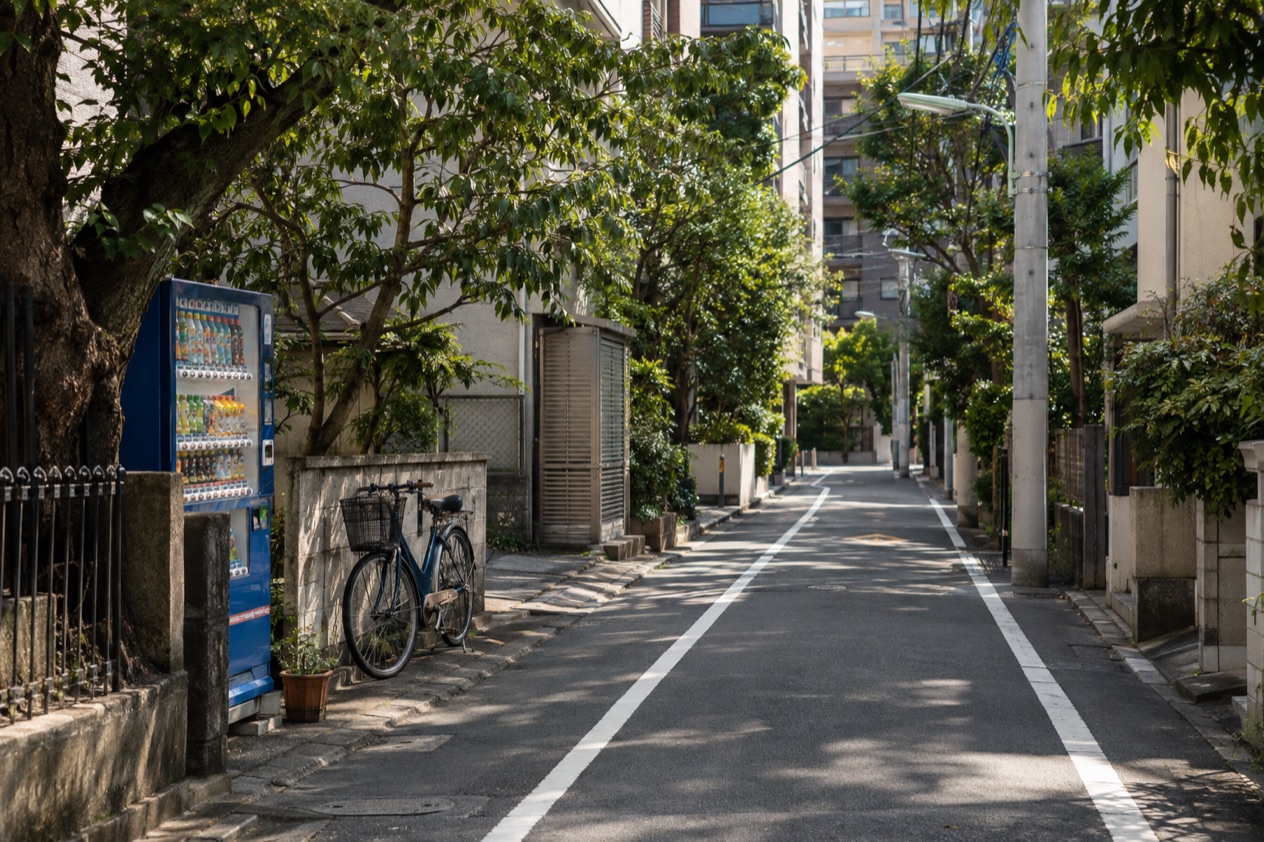
Is Japan safe for tourists?
Yes, for most travelers Japan is a place where trips go smoothly. The U.S. State Department rates Japan Level 1, its lowest level of concern, which means exercising normal precautions, and it describes crime against U.S. citizens as low, typically involving personal disputes, petty theft or vandalism. Crime against U.S. citizens is low, but reported nightlife incidents and natural hazards still warrant attention.
The same State Department guidance adds that Americans should always exercise caution when traveling abroad and points to its general safety tips. Think of Japan the way you would think of any big, busy destination: relaxed in daily life, but worth a little thought about your wallet, your drink and your documents.
Carry your identification
One local rule surprises visitors. In Japan you must always carry your U.S. passport (or a Japanese Residence Card, for residents), and you may be questioned or detained if you cannot show proof of identity and status. A traveler who leaves the passport in the hotel safe for a day of temples and shopping is technically exposed to this.
If a police officer stops you, the practical answer is simply to have the document on you. Many travelers keep the passport in a zipped inside pocket or a small travel pouch, separate from their cash and cards.
Laws that catch Americans out
Several rules differ from home, and the consequences can be serious. Carrying a knife with a locking blade, or a folding blade longer than 5.5 cm (a little more than two inches), is illegal, and U.S. citizens have been detained for more than 10 days over pocketknives that are perfectly legal in the United States. A multi-tool in a daypack counts, so leave it home.
CBD may be illegal depending on how much THC it contains, so gummies and oils that are fine in your home state deserve a second thought. Counterfeit and pirated goods may also be illegal, and you may pay fines or have to give them up if you bring them back to the United States. Working on a tourist visa is illegal too, and overstaying or working illegally may lead to re-entry bans as long as 10 years.
Driving and arrest
The blood-alcohol limit for driving is 0.03%, and driving under the influence can lead to immediate jail, fines up to $10,000 and up to 5 years in prison. That is lower than the limit many Americans know, so a glass of wine at dinner changes the picture for anyone planning to drive.
If you are arrested even for a small offense, you may be kept in detention for extended periods without bail during the investigation. It is one more reason to treat local rules as seriously as you would a rule at home.
Who to call and what to do afterward
Dial 110 for police and 119 for fire or an ambulance. For a theft or loss, a local police box (koban) can give you a police report, which you need to get a passport reissued or to claim on insurance. Reports must be filed before you leave Japan, because Japanese police will not accept reports filed from overseas.
If a credit card is stolen or used fraudulently, the police usually give a report number instead of a full report, and that number can go to your card company. International health insurance is not mandatory for entering Japan but is strongly recommended, because medical and hospitalization costs are expensive. The Japan Tourism Agency also offers a Guide for when you feel ill, a website in English, Chinese and Korean that helps you find medical institutions that accept foreign visitors.
| Situation | Number or step |
|---|---|
| Police emergency | 110 |
| Fire or ambulance | 119 |
| Theft or loss report | Local police box (koban), before leaving Japan |
| Stolen or misused credit card | Police report number, given to the card company |
What are the main risks?
The main risks are petty theft in crowds and trouble in nightlife districts, rather than anything aimed at ordinary sightseeing. Pickpocketing can occur in crowded shopping areas, on trains and at airports, Pickpocketing can occur in crowded shopping areas, on trains and at airports.
Nightlife districts in Tokyo
The State Department advises caution in Tokyo’s entertainment and nightlife districts, especially Roppongi, Kabuki-cho, Shibuya and Ikebukuro. Reports of incidents involving U.S. citizens at bars and clubs in these areas include physical and sexual assaults, drug overdoses, spiked drinks, and thefts of purses, wallets, cash and credit cards.
Robberies can happen when someone is drugged by a spiked drink, especially in nightlife districts in major cities. The habits that follow are old ones: watch your glass being poured, do not leave it unattended, and be wary of a stranger on the street who steers you toward a particular bar.
Large bar tabs and ATMs
Some U.S. citizens have reported being forced to take money out of an ATM, or being robbed, because they could not pay a large bar tab. The pattern is a friendly invitation inside, drinks that arrive without prices, and a bill that is far beyond what you expected.
A simple rule keeps you clear of it: ask about prices before you sit down, and walk away from any place that will not answer. If a situation turns threatening, 110 reaches the police.
Assault, discrimination and personal safety
Sexual assaults are not often reported in Japan, but they do occur, and victims may be randomly targeted. U.S. citizen victims of domestic violence are encouraged to contact the U.S. Embassy for assistance. Some U.S. citizens have also reported being the target of discrimination because of their nationality or race.
None of this describes the typical trip, and the State Department still calls crime against Americans low. It does mean that the sensible habits of travel at home, such as staying with friends at night and keeping track of your drink, belong in your suitcase here too.
Health and getting help
Medical care is available, but costs are the issue, which is why insurance is strongly recommended. The Japan National Tourism Organization also runs a Japan Safe Travel Information page with safety tips and government information for travelers, a good bookmark before you leave. There is a notice for all passengers about bringing power banks on board flights in Japan, so a portable charger is worth a quick check before you pack it in your carry-on.
What about natural disasters?
Japan has official warning systems for earthquakes, tsunamis, typhoons, heavy rain and volcanic activity. Earthquake Early Warnings are broadcast on TV, radio, cell phones and smartphones.
Earthquakes
When the Japan Meteorological Agency expects strong shaking right after an earthquake, it issues advance warnings as quickly as possible, with estimated arrival times and seismic intensities. The Earthquake Early Warning alarm comes with a special sound on TV, radio, cell phones and smartphones, which is the jarring noise that can ring out across a train car.
When you see or hear one, stay calm and put your safety first depending on the situation, even if you do not feel the vibrations yet. Earthquake-resistant structures have widely been deployed for houses and buildings, and most buildings are fairly resistant to earthquakes. If you are inside one during a quake, do not go outside until it is safe.
Tsunami
If the agency expects a tsunami to cause damage, it issues a warning approximately three minutes after an earthquake. When there is a strong shake, or a weak one that lasts a long time, start evacuating. Do not judge the situation yourself: go to a more elevated place regardless, such as high ground or a tall building designated as an evacuation center.
Stay in a safe location until the Tsunami Warning is cancelled, because tsunamis strike repeatedly over a long period. That means not walking back to the shore after the first wave to see what happened.
Typhoons, heavy rain and the warning levels
The agency issues Advisories when heavy rain or strong winds may cause damage. For heavy rain, floods, landslides and storm surge, its Warnings and Advisories follow five Alert Levels. Urgent Warnings, equivalent to Alert Level 4, mean that the likelihood of catastrophe is high and that all residents should evacuate from dangerous areas, finishing at the latest while that warning is in force.
People who may need more time, such as elderly people and those with disabilities, are asked to start evacuating once Warnings equivalent to Alert Level 3 are issued. A traveler who has mobility needs, or travels with someone who does, can use the same line as a cue.
Emergency Warnings and volcanoes
Above all of this sits the Emergency Warning System, launched on 30 August 2013. It is reserved for extraordinary phenomena, such as the major tsunami of the 2011 Great East Japan Earthquake, the 1959 storm surge in Ise Bay caused by Typhoon Vera, and the 2011 heavy rain caused by Typhoon Talas. An Emergency Warning for an area signals a level of exceptional risk observed only once every few decades, and residents should take all possible measures to protect themselves.
Earthquake Early Warnings that predict tremors of 6-lower or more on the agency’s seismic intensity scale are issued as Emergency Warnings. For volcanoes, the agency provides warnings and forecasts for about 110 active volcanoes, and the advice is to evacuate or prepare to evacuate from alert areas.
Where to get information
In a major disaster such as a typhoon, earthquake, tsunami or volcanic eruption, consult the Japan Safe Travel Information website, the Safety tips app, or the NHK WORLD-JAPAN website or app. Downloading the app before departure means it is already on your phone when a warning sounds.
Good to know before you go
The U.S. State Department rates Japan Level 1: Exercise Normal Precautions.
Keep your passport on you, keep a hand on your drink after dark, and know that 110 and 119 are the numbers to remember. In a major typhoon or other natural disaster, consult Japan Safe Travel Information, the Safety tips app, or NHK WORLD-JAPAN. Health insurance is the one piece of paperwork worth sorting out before you leave, and If you need a replacement passport or plan to make an insurance claim after a theft or loss, obtain a police report from a koban before leaving Japan.
Sources
- U.S. Department of State, Japan travel advisory (https://travel.state.gov/content/travel/en/international-travel/International-Travel-Country-Information-Pages/Japan.html), checked October 11, 2026
- U.S. Department of State, Japan travel information, local laws and special circumstances (https://travel.state.gov/content/travel/en/international-travel/International-Travel-Country-Information-Pages/Japan.html), checked October 11, 2026
- U.S. Department of State, Japan travel information, safety and security (https://travel.state.gov/content/travel/en/international-travel/International-Travel-Country-Information-Pages/Japan.html), checked October 11, 2026
- Japan Meteorological Agency, Emergency Warnings (https://www.jma.go.jp/jma/en/Emergency_Warning/ew_index.html), checked October 11, 2026
- Japan National Tourism Organization, safety information (https://www.japan.travel/en/japan-safe-travel-information/), checked October 11, 2026
- Japan National Tourism Organization, emergency numbers, police, ambulance, what to do (https://www.japan.travel/en/plan/emergencies/), checked October 11, 2026
- Japan National Tourism Organization, Safety tips for travelers (https://www.jnto.go.jp/safety-tips/eng/index.html), checked October 11, 2026
To plan your stay
- Best Time to Visit Japan: Cherry Blossoms, Autumn Colors, Weather and Festivals
- Things to Do in Japan: Kyoto Temples, Onsen, Street Food and Day Trips
- Where to Stay in Japan: Ryokan, Temple Stays, Capsule Hotels and the Best Cities to Base In
- Sending Luggage from the Airport in Japan: Hands-Free Travel, Hotel Delivery and Coin Lockers