
On a Sunday, the crowd on Takeshita Street moves at the pace of its slowest crepe, and the shop windows on both sides are stacked with rainbow sweets, pastel sneakers and costume jewelry. A few minutes away, the gravel path to Meiji Shrine runs under tall trees where the noise falls away, and Yoyogi Park fills with groups who have each claimed their own patch of lawn. Harajuku is Tokyo’s meeting point of youth fashion, shrine grounds and tree-lined shopping avenues, and a place to wander with no fixed plan.
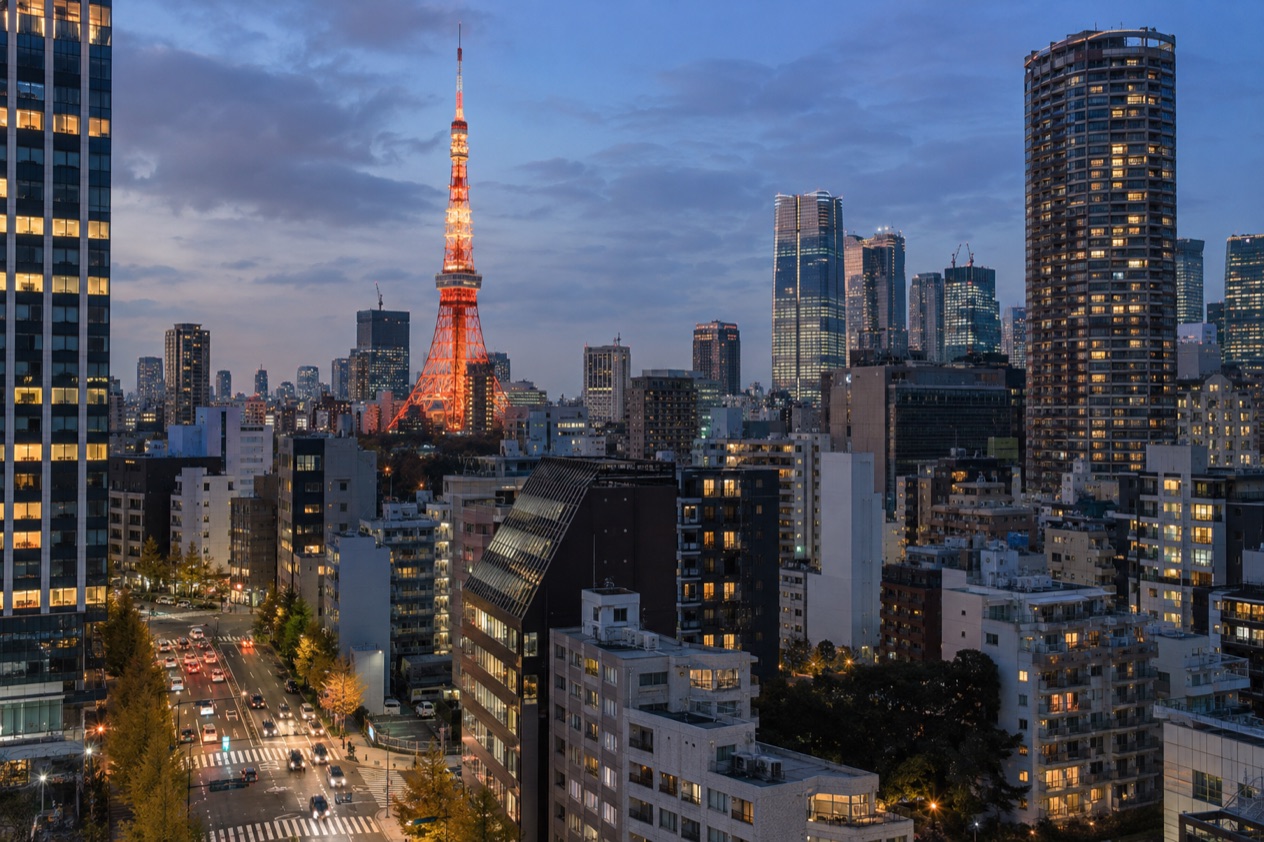
What is Harajuku like?
Harajuku is a district of Tokyo known internationally as a center of Japanese youth culture and fashion, and it is also a neighborhood where a shrine forest sits next to shopping streets. The name is used for the area stretching from Harajuku Station to Omotesando, which officially corresponds to Jingumae 1 chome to 4 chome in Shibuya ward. In everyday speech it grows to include backstreets such as Takeshita Street and Cat Street, reaching from Sendagaya in the north to Shibuya in the south.
Its story is tied to the railway and to a shrine. Harajuku Station opened in 1906 as part of the expansion of the Yamanote Line, and in 1919, with the establishment of Meiji Shrine, Omotesando was widened and reordered as a formal approach route.
Meiji Shrine itself was built in 1920 to commemorate Emperor Meiji, who oversaw Japan’s rapid industrialization. In 1964, swimming, diving and basketball events of the Tokyo Olympics were held at nearby Yoyogi National Gymnasium, which added another layer to the area’s history.
The shopping here has two faces. Small, independent boutiques and cafés aimed at young people fill the side streets, while larger international chain stores have also moved in, and high-end luxury brands are well represented along Omotesando.
Harajuku and its surroundings are one of the most popular destinations in Tokyo for both domestic and international visitors. It suits people who like to browse, people-watch and combine fashion with a stroll through greenery, and it rewards those who are happy to walk from one mood to the next in a single afternoon.
Things to do in Harajuku
Meiji Shrine
Meiji Shrine was built in 1920 to commemorate Emperor Meiji, and it gives Harajuku its calm side. You step from the station area through a gate and onto a wide approach under dense trees, with the city’s noise fading behind you. The exits of Meiji-jingu-mae Station sit right in front of the shrine entrance, which makes it a natural beginning or end to a day in the district.
Go with time to walk slowly and watch how visitors pause at the gate, wash their hands and bow before the main hall. People pair the shrine with Yoyogi Park or with a browse through the shops, since the contrast between the two is the whole charm of the neighborhood.
Takeshita Street and the youth fashion scene
Takeshita Street is the backstreet people picture when they think of Harajuku. It is lined with small shops selling trend-driven clothes and accessories, plus crepe stands and candy-colored snacks that you eat while you walk. The pull here is the people as much as the products, with outfits that range from soft pastels to dramatic layered looks.
If it is the youth culture you want to see, Sunday is the day, when each group stakes out its territory around Yoyogi Park. Come with a loose plan, drift through the street, then escape down a side lane when the crowd feels thick. Cat Street, one of the backstreets in the area, gives a quieter way to continue toward Shibuya past independent boutiques and cafés.
Yoyogi Park
Yoyogi Park has a bit of aviation history: it was the site of the first successful powered aircraft flight in Japan, on December 19, 1910, by Captain Yoshitoshi Tokugawa. It was later selected as a site for the 1964 Tokyo Olympics, and the nearby Yoyogi National Gymnasium dates from those Games. Today it is a wide green space beside the shrine woods.
The park has a bike path, and bicycle rentals are available, so you can roll past the lawns instead of walking them. Sunday is when the groups gather, which turns the park into an open-air show of music, style and picnics. Bring something to sit on and take your time.
Omotesando
Omotesando began as the formal approach to Meiji Shrine, widened and reordered in 1919. Now it is the area’s showcase street, where high-end luxury merchandisers are extensively represented alongside larger international chain stores. It makes a polished counterpart to the small shops of Takeshita Street.
Walk it as a long promenade from the Harajuku end, looking at the shopfronts and stopping in the cafés that sit on the side streets. It suits visitors who enjoy window-shopping and architecture as much as buying, and it connects easily with the rest of the district on foot.
Togo Shrine
Togo Shrine, known in Japanese as Togo Jinja, is 5 minutes from Harajuku Station. It was established for Admiral Togo Heihachiro after his victory at the naval battle of Tsushima in 1905, and the present shrine was built and consecrated in 1943 in honor of the Imperial Japanese Navy Marshal-Admiral.
It is a smaller stop than Meiji Shrine and gives the district a glimpse of its military and modern history, away from the fashion crowds. Add it if you like shrines and want a second one beyond the big forest approach.
Eating and drinking in Harajuku
Eating in Harajuku is mostly a matter of small, youth-oriented independent cafés and the stands on its backstreets. On Takeshita Street the food is made to be carried: crepes folded around fruit and cream, colorful sweets and snacks you eat as you walk with the crowd. It is playful and photogenic, and it fits the mood of the street.
Step off the main lanes and the independent cafés take over. Many sit on the backstreets and on Cat Street, offering coffee, desserts and light plates in rooms that reflect the same taste for style that fills the boutiques. A café stop is the natural way to rest between shopping and walking, and a window seat is a good place to watch the district go by.
Along Omotesando the dining options reflect the luxury brands around them, with polished shops and refined settings alongside international chains. If you are walking from Shibuya or toward Meiji Shrine, you can mix the two: a sweet snack on the street, a slower coffee in a side lane, and a sit-down meal when you want to stop for longer.
A useful habit is to eat in stages rather than all at once. Take a crepe in the crowd, a coffee in a quieter corner and keep room for something more substantial near the end of the day. That rhythm suits the neighborhood, which is built for wandering rather than for one long meal.
Staying in Harajuku
Harajuku suits travelers who want to spend their days among shops, shrines and parkland and who like to be able to walk out the door into it. The area gives you Meiji Shrine and Yoyogi Park on one side and boutiques and cafés on the other, so a base here puts both moods within reach on foot.
Its position is also practical. Harajuku is 15 minutes away from Shibuya on foot, following the train tracks along Koen-dori from the scramble crossing, so the busy center of Shibuya is close at hand without being right outside your window. Two stations serve the area, one on the JR Yamanote Line and one on two Tokyo Metro lines, which gives you a choice of ways to move around the city.
Compared with neighboring districts, Harajuku has a youthful, fashion-led character. Ginza is an upscale downtown area with high-end restaurants and luxury shops, and Nihonbashi is known for its heritage and is the main financial district of Japan.
Roppongi and Akasaka are other Tokyo districts that can be reached from Shibuya Station in about 10 minutes by train. Harajuku sits between these moods, more about street style and green space than about business or formal dining.
Choose Harajuku if your plans center on shopping, people-watching and the shrine and park, and if you like a base that changes character from one street to the next. If you prefer an area known for finance or luxury dining, one of the neighboring districts will match that taste better.
Getting to Harajuku
Two stations serve Harajuku. JR Harajuku Station on the Yamanote Line is the obvious way to get to the district, and Meiji-jingu-mae Station, also called Harajuku, on the Tokyo Metro Chiyoda Line and Fukutoshin Line, is the other. Both are gateways to attractions such as Meiji Shrine, Yoyogi Park and Yoyogi National Gymnasium.
The subway station has exits right in front of the entrance to Meiji Shrine, so it is the one to use if the shrine is your first stop. The JR station is the one to use if you want to start at the Takeshita Street end of the district. Either way, you can be among the sights as soon as you leave the ticket gates.
If you are coming from Shibuya, you can also walk. It takes 15 minutes on foot, following the train tracks along Koen-dori from the scramble crossing. That route lets you see the district gradually change from busy crossing to fashion streets.
Togo Shrine is 5 minutes from Harajuku Station, which makes it an easy add-on to any visit. For arrivals from abroad, the nearest airports to Tokyo are Haneda Airport, officially Tokyo International Airport, and Narita Airport, Japan’s largest international airport. From either, you reach Harajuku by joining the city’s rail network at one of the two stations above.
Good to know before you go
If it is Harajuku’s youth culture you want to see, plan the visit for a Sunday, when each group stakes out its territory around Yoyogi Park. On other days the shops, shrine and cafés are still there, but the street scene is quieter.
Carry a little cash for the street stands and keep a loose plan so you can follow whatever catches your eye.
Sources
- Wikipedia, Harajuku (https://en.wikipedia.org/wiki/Harajuku), checked October 11, 2026
- Wikivoyage, Tokyo/Harajuku (https://en.wikivoyage.org/wiki/Tokyo/Harajuku), checked October 11, 2026
- Japan National Tourism Organization, Tokyo (https://www.japan.travel/en/destinations/kanto/tokyo/), checked October 11, 2026
To plan your stay
- Best Time to Visit Japan: Cherry Blossoms, Autumn Colors, Weather and Festivals
- Where to Stay in Japan: Ryokan, Temple Stays, Capsule Hotels and the Best Cities to Base In
- Sending Luggage from the Airport in Japan: Hands-Free Travel, Hotel Delivery and Coin Lockers
- Know Before You Go to Japan: Entry, Money, Etiquette and Getting Around