
Along the Kenai River, anglers stand in a loose line with rods bent against the current, while gulls pick over the gravel bars behind them. In Seward, fishing boats and tour boats idle in the harbor under steep green mountains, and in Homer the talk at the dock is all about halibut. The Kenai Peninsula is the part of Alaska’s coast that people from Anchorage and beyond reach by road, a place of salmon rivers, glaciers, fjords and small towns for anglers, wildlife watchers and road-trippers.
Where is the Kenai Peninsula and what is it like?
The Kenai Peninsula lies south of Anchorage, with Cook Inlet on its western side and Prince William Sound on its eastern side. It stretches about 150 miles from the Chugach Mountains toward the southwest, a long finger of land carved by glaciers, lakes and rivers. Kachemak Bay, Resurrection Bay and the Kenai River all belong to it, and the Kenai Peninsula Borough covers the whole of it.
The character of the place is outdoorsy and unhurried. Towns here are small, and life revolves around the water: boats going out, fish coming in, a harbor café where the talk is about the day’s catch. The Kenai Peninsula is one of the most visited tourist regions in Alaska, especially with anglers drawn by its salmon and halibut, so the roads and rivers can be lively when the fishing is on.
Each corner has its own feel. Soldotna, the borough seat, and Kenai, the largest city in the borough, are the working towns of the western side. Seward faces Resurrection Bay and is home to the Alaska SeaLife Center. Homer sits on Kachemak Bay and is known for its halibut fishing. Cooper Landing, where Kenai Lake empties into the river, and Hope, a tiny gold-rush village, are much quieter.
The peninsula suits people who like to spend a day on a river, a boat or a trail and finish it with a plate of fresh fish. It may feel less rewarding to anyone hoping for big-city nightlife or long lists of indoor attractions. The pace is set by the water and the weather, and the best plans leave some room to change.
What is there to do in the Kenai Peninsula?
Fishing, glaciers and fjords, small-town harbors and wildlife refuges make up the four big reasons to come. What sets the peninsula apart from its neighbors is how much of this sits along a road system, so you can move between a salmon river, a glacier valley and a harbor town without leaving the highway.
Fishing the Kenai River and the waters of Kachemak Bay
The Kenai River is described as the most popular sport fishing destination in Alaska, particularly for king salmon. It runs from Kenai Lake to Cook Inlet, and its character changes along the way. The upper stretch includes a run of whitewater in Kenai Canyon, the middle part widens below Skilak Lake, and the last miles near the mouth are shaped by the tides.
Around Soldotna and Cooper Landing you will see waders, drift boats and riverside lodges, and the Russian River near Cooper Landing also draws salmon anglers. On the other side of the peninsula, Homer turns the attention to halibut, with charter boats heading out over Kachemak Bay. Even if you never pick up a rod, a stop at a harbor or a riverbank to watch the fishing is part of the experience.
Kenai Fjords National Park and Exit Glacier
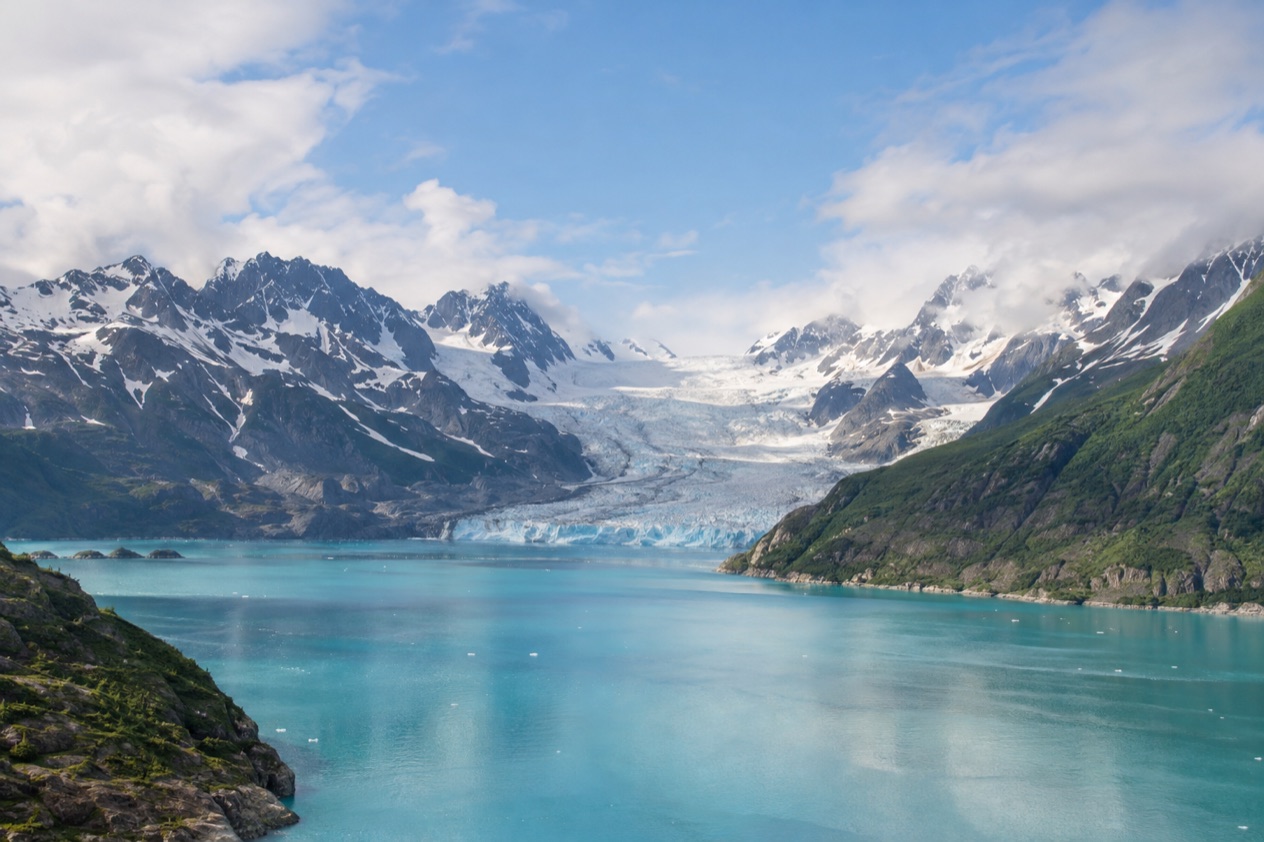
Kenai Fjords National Park lies west of Seward and covers a huge area of mountains, ice and coast. Exit Glacier is the only part of the park reachable by road. The rest is reached by boat, airplane and hiking, which is why travelers think of the park as something seen from the water, with steep fjord walls and glaciers meeting the sea.
From Seward you can combine the glacier with a harbor stroll and the Alaska SeaLife Center, which gives you a close look at the marine life of the region. Wildlife in the park is a chance, never a promise, so go for the scenery and treat any whale, seabird or sea otter as a bonus.
Homer, the Spit and the end of the road
Homer marks the terminus of the paved highway system of North America, and the Homer Spit, a four mile long sand bar, reaches out into Kachemak Bay. The Spit is a lively strip of docks, fishing charters, small restaurants and gift shops, with views across the bay to the mountains.
Kachemak Bay State Park is located near Homer, a wild counterpart to the busy waterfront. Anchor Point, on the way, is the most westerly point on the contiguous highway system, a small milestone that road-trippers like to tick off.
The Kenai National Wildlife Refuge
Kenai National Wildlife Refuge is a 1.92-million-acre preserve, administered from offices in Soldotna. Skilak Lake Loop Road meets the Sterling Highway at both ends, and the refuge has two developed campgrounds, one at Hidden Lake and one at Skilak Lake. Less-developed campgrounds reached from Swanson River Road and Swan Lake Road do not require fees.
It is a landscape of lakes, forest and quiet roads, a good counterweight to the busier river and harbor scenes. Come here for a slower day of looking, listening and camping rather than a list of sights.
How many days do you need in the Kenai Peninsula?
A long weekend lets you taste one corner of the peninsula, and a week lets you see most of it properly. The towns are far enough apart that trying to cover everything in two days means a lot of time behind the wheel and little time on the water.
With a short stay, pick one base and make the most of it. Seward works well for a glacier and fjord focus, with Exit Glacier, the Alaska SeaLife Center and the harbor all close together. Soldotna or Cooper Landing suits a fishing trip, with the Kenai River on your doorstep. Homer fits travelers who want halibut, the Spit and the quieter shores of Kachemak Bay.
The village was a gold-mining camp, and its historic district was listed on the National Register of Historic Places in 1972. It sits at the end of the Hope Highway, so the visit is a detour in its own right rather than something on the way to anywhere else.
A full week opens the whole loop. You can spend time on the Kenai River, a day in the wildlife refuge, a boat day out of Seward and a few unhurried days around Homer and Kachemak Bay State Park. Caine’s Head State Recreation Area and Thumb Cove State Marine Park, both near Seward, add wilder places to explore. Leave a spare day for weather, because boat trips and flights depend on it.
If you are coming from Anchorage, remember that the Turnagain Arm shoreline deserves its own stop, with mudflats at low tide and a tidal bore that sometimes arrives with the incoming flood. It is a good reason to treat the trip south as part of the journey rather than something to hurry through.
Where to stay in the Kenai Peninsula
Pick your base by what you want to do, since each town has its own purpose. Seward suits glacier and fjord visitors, as it is the gateway to Kenai Fjords National Park and the southern end of the Alaska Railroad. Homer suits those who want halibut, a working waterfront and views across Kachemak Bay. Soldotna and Kenai, the main towns on the western side, put you near the river and the refuge offices.
Cooper Landing, at the outlet of Kenai Lake into the Kenai River, has become a popular summer tourist destination thanks to its scenic setting and its closeness to the salmon fisheries of the Kenai and Russian Rivers. Gwin’s Lodge there is one of the oldest log roadhouses in Alaska and is still in operation. It is a place for anglers and for anyone who likes a small, riverside base.
Hope is the smallest and quietest option, with its historic district and a village feel that is a long way from the busier harbors. Campers have choices too. Kenai National Wildlife Refuge has developed campgrounds at Hidden Lake and Skilak Lake, plus less-developed ones reached from Swanson River Road and Swan Lake Road that do not require fees.
The peninsula rewards slow mornings by the water more than constant packing and unpacking.
How do you get to the Kenai Peninsula and get around?
People reach the peninsula from Anchorage by road. The Seward Highway runs 125 miles from Anchorage to Seward, passing through the Kenai Mountains, Chugach National Forest and along Turnagain Arm. It is designated a National Forest Scenic Byway, a State Scenic Byway and an All-American Road, and it follows part of the southern edge of Chugach State Park beside the arm.
Turnagain Arm is worth knowing about. Its tides are the largest in the United States, and at low tide it becomes a broad mud flat cut by stream channels. The Sterling Highway, which opened in 1950, is the artery of the peninsula, and the Seward Highway opened a year later.
The Coastal Classic Train travels from Anchorage through Girdwood to Seward, winding along Turnagain Arm where the Chugach mountains plunge directly to the sea. After the brief Girdwood stop, the train enters backcountry wilderness, considered by many to be the most scenic stretch of the entire Railbelt. National Geographic Traveler ranked the Coastal Classic among its Top Ten Train Rides in North America.
Once on the peninsula, the road system links the main towns. Homer marks the end of the paved highway system of North America, and Exit Glacier is the one part of Kenai Fjords National Park that you can reach by road. Beyond that, the park is for boats, airplanes and hikers. Kenai Fjords National Park lies about 130 miles south of Anchorage.
When is the best time to visit the Kenai Peninsula?
Summer is the time visitors think of, and Cooper Landing is described as a popular summer tourist destination for its scenery and its salmon fisheries. The peninsula is known above all for its salmon and halibut fishing, so travelers who plan around the fish will be guided by the fishing seasons rather than by the calendar alone.
The temperatures of Hope give a flavor of how the seasons feel in the mountains of the peninsula. Summer days there are cool to mild, which suits hiking and long days on the water, and winters are properly cold. Each town has its own weather, and coastal places do not all match the figures of a village in the mountains.
| Hope, Alaska | Temperatures (°F) |
|---|---|
| Summer | 45 to 65 |
| Winter | 14 to 27 |
For a first visit, summer fits the classic picture of the region: river fishing, glacier and fjord outings, and open roads between the towns. Plan for layers whatever the month, because mountains, water and wind change the feel of a day quickly.
Good to know before you go
Seasonal services, boat trips and flights each follow their own schedules, and weather can reshape a day on the water. Along Turnagain Arm, the big tides and mud flats are a reason to watch the shoreline from the highway pullouts rather than wander onto it.
Sources
- Wikivoyage, Kenai Peninsula (https://en.wikivoyage.org/wiki/Kenai_Peninsula), checked October 11, 2026
- Wikipedia, Kenai Peninsula (https://en.wikipedia.org/wiki/Kenai_Peninsula), checked October 11, 2026
- Kenai Peninsula Borough (https://www.kpb.us/), checked October 11, 2026
- Wikipedia, Kenai River (https://en.wikipedia.org/wiki/Kenai_River), checked October 11, 2026
- Wikipedia, Kenai Fjords National Park (https://en.wikipedia.org/wiki/Kenai_Fjords_National_Park), checked October 11, 2026
- Wikipedia, Kenai National Wildlife Refuge (https://en.wikipedia.org/wiki/Kenai_National_Wildlife_Refuge), checked October 11, 2026
- Wikipedia, Seward Highway (https://en.wikipedia.org/wiki/Seward_Highway), checked October 11, 2026
- Alaska State Parks, Kenai Peninsula region (https://dnr.alaska.gov/parks/aspunits/kenai/kenaiindex.htm), checked October 11, 2026
- Wikipedia, Cooper Landing, Alaska (https://en.wikipedia.org/wiki/Cooper_Landing,_Alaska), checked October 11, 2026
- Wikipedia, Hope, Alaska (https://en.wikipedia.org/wiki/Hope,_Alaska), checked October 11, 2026
- Wikipedia, Turnagain Arm (https://en.wikipedia.org/wiki/Turnagain_Arm), checked October 11, 2026
- Alaska Railroad, Coastal Classic (https://www.alaskarailroad.com/ride-a-train/our-trains/coastal-classic), checked October 11, 2026
- Wikipedia, Climate of Alaska (https://en.wikipedia.org/wiki/Climate_of_Alaska), checked October 11, 2026
To plan your stay
- Best Time to Visit Kenai and Soldotna: Salmon Runs, Weather by Month and Seasonal Things to Do
- Where to Stay in Kenai and Soldotna: Kenai River Access, Refuge Gateways and Area Comparison
- Kenai and Soldotna in January: Winter Weather, Short Days and What to Do
- Kenai and Soldotna in February: Weather, Winter Daylight and Two Days on the Kenai River