
In Hopkins, the evening begins with drums. Garifuna drummers sit on a porch near the sand, the rhythm carries down the single main road, and somewhere a kitchen is simmering fish in coconut milk. That mix of music, sea and forest runs through the whole Stann Creek District, from the culture-rich town of Dangriga to the beaches of the Placencia Peninsula, with the Maya Mountains standing behind it all.
Where is the Stann Creek District and what is it like?
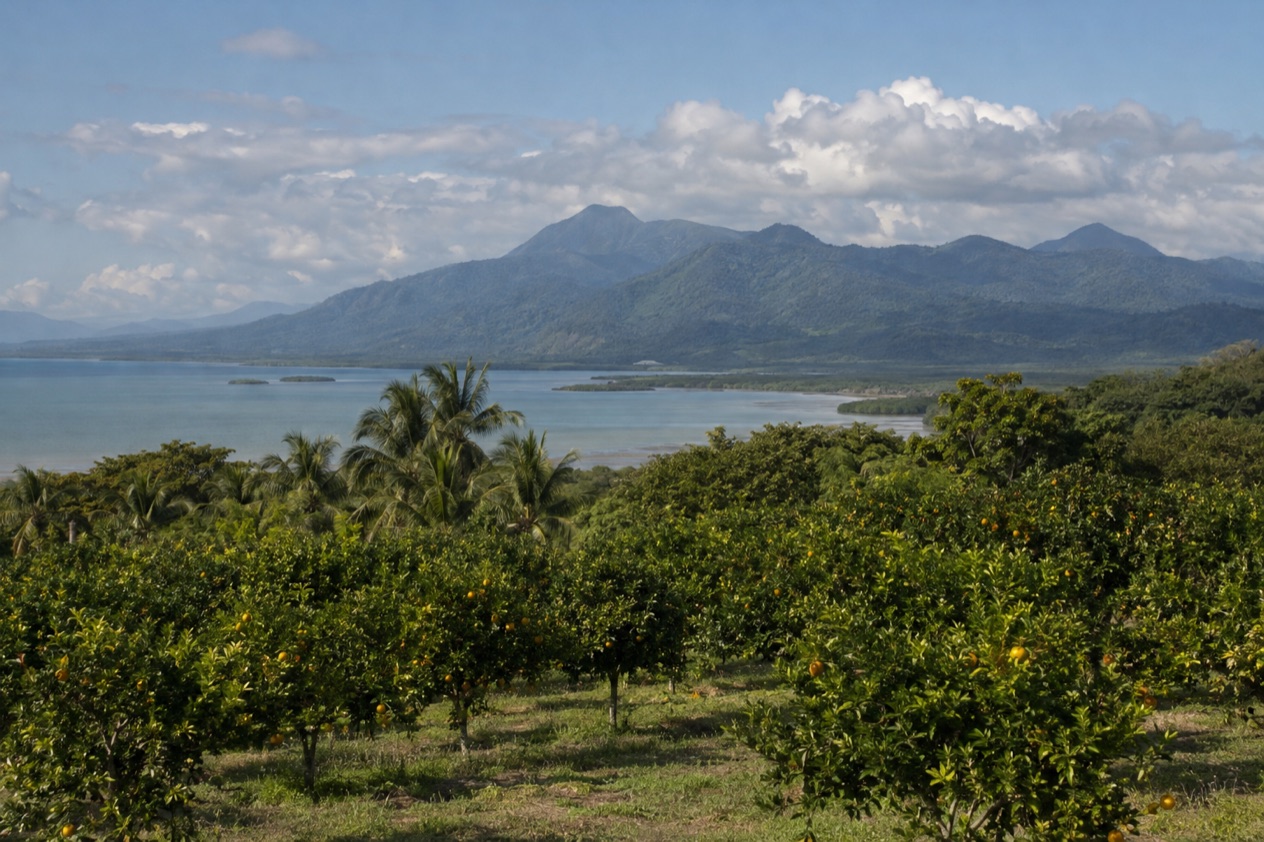
The Stann Creek District lies in the southeast of Belize, on the Caribbean coastline, with the Maya Mountains rising behind the coastal plain. It is a place where a long stretch of shoreline meets rainforest, rivers and small towns, and where Garifuna culture gives the coast its personality.
The district capital is Dangriga, a town at the mouth of the North Stann Creek River that was once called Stann Creek Town. It is the largest settlement in southern Belize and is widely known as the culture capital of the country, thanks to its role in punta music and other Garifuna traditions. Dangriga is a working town more than a resort, which is much of its appeal: you come for the rhythm of local life, the drumming and the food.
South of it, Hopkins is a Garifuna village squeezed between the sea and the foothills of the Maya Mountains and the Cockscomb Range, close to the Sittee River. Most of its residents in the last census were Garifuna, and the village keeps a relaxed, barefoot pace.
Inland, the district turns green and wild. Cockscomb Basin Wildlife Sanctuary protects forest around Victoria Peak, and Mayflower Bocawina National Park covers dense tropical forest beside the Southern Highway. If you want a trip that pairs beach time with cultural encounters and jungle, the district suits you well. If you want nightlife, big-box shopping or a packed schedule of attractions in one spot, its small, quiet villages may feel too slow.
What is there to do in the Stann Creek District?
Between Garifuna communities, Caribbean beaches, rainforest reserves and trips to the Belize Barrier Reef, the district brings culture, coast and mountains unusually close together. What sets it apart from its neighbors is how close the coast, the mountains and a living culture sit to one another along a single coastal road.
Garifuna culture in Dangriga and Hopkins
Dangriga earns its title as the culture capital of Belize through punta music and the wider Garifuna traditions that shape the town. In Dangriga, Garifuna Settlement Day, punta music and dishes such as hudut, sere and cassava bread make that culture tangible.
Hopkins is the more intimate version. It is a small Garifuna village, and an evening here often means drums on a porch, a plate of seafood and a walk along a shoreline with few crowds. It suits travelers who like to learn about a place by sitting still in it. Time in the village rewards slow mornings and long dinners rather than a checklist.
Beaches and village life on the Placencia Peninsula
The Placencia Peninsula stretches 18 miles and holds Riversdale Village, Maya Beach Village, Seine Bight and, at the southern tip, Placencia Village. Placencia is among the most popular tourist destinations in Belize, with white sandy beaches and a wide choice of places to stay.
The peninsula was already home to Maya people who made salt and traded it with other coastal settlements, and today it mixes beach lounging with a village-style main street. It suits couples, families and anyone who wants sand, a seafood dinner and a choice of lodgings in one place.
Cockscomb Basin Wildlife Sanctuary
Cockscomb Basin was set up as the first protected area created for the jaguar, and it is run by the Belize Forest Department and the Belize Audubon Society. The name comes from the ridge that resembles a rooster’s comb and can be seen from the coastal plain. Within it stands Victoria Peak, the second highest point in Belize.
Come to hike forest trails, watch for birds and other wildlife, and experience the basin rather than expecting to see a jaguar. Wildlife is a chance, never a promise, so go for the setting and treat any animal sighting as a bonus.
Mayflower Bocawina National Park
Mayflower Bocawina National Park sits at mile six on the Southern Highway and covers an estimated 7,000 acres of dense tropical forest. It is managed by the Friends of Mayflower Bocawina National Park and was established as a national park in 2001. Mayflower Bocawina brings tropical forest, Maya sites and waterfall hikes together, giving travelers a concrete reason to stop between the coast’s main bases.
How many days do you need in the Stann Creek District?
A long weekend gives you a taste of the Stann Creek District, while a week lets you move through it properly from Dangriga to Hopkins to Placencia, which is the route often suggested for the district.
With three or four days, choose two bases rather than three. You might spend your first nights in Hopkins, where the village, the sea and the Garifuna evenings set the tone, and then settle on the Placencia Peninsula for beach days. This keeps the travel between places light and leaves time to actually sit on the sand.
With a full week, the north-to-south route works in order. Begin in Dangriga for its music and its place as the culture capital of Belize, continue to Hopkins for the village and its surroundings, and finish in Placencia. Along the way, fit in the forest: Mayflower Bocawina National Park lies on the Southern Highway, and Cockscomb Basin Wildlife Sanctuary is in the heart of the district, with Victoria Peak as its high point.
With even more time, slow down rather than add stops. Stay a few nights longer on the peninsula, wander through its villages from Riversdale to Seine Bight, and give the forest a second day. The district rewards travelers who let a place sink in, and its smaller communities are best met at an unhurried pace.
Where to stay in the Stann Creek District
There are three main areas to base yourself: Dangriga, Hopkins and the Placencia Peninsula. Each gives a different version of the district.
Dangriga suits travelers who care most about Garifuna culture and want to be in the district’s largest town, the capital, at the mouth of the North Stann Creek River. It is a place to experience the music and the daily life of a real town rather than a resort setting.
Hopkins is for those who want a small Garifuna village with the Caribbean Sea in front and the Maya Mountains and Cockscomb Range behind. It is quiet and close to the Sittee River, and it fits visitors who want sea, forest and village life together without a busy scene.
The Placencia Peninsula is the choice for beach holidays. It has a large selection of resorts, guest houses and hotels, and its settlements, Riversdale Village, Maya Beach Village, Seine Bight and Placencia Village, give you options from the north end to the southern tip. Pick the village that suits your mood: Placencia Village, at the southern end, is the one most set up for visitors. Many travelers split their stay between two of these areas, which lets them taste both a cultural base and a beach base within one trip.
How do you get to the Stann Creek District and get around?
You reach the Stann Creek District by road or by air. Dangriga Airport serves the district’s capital, and Placencia Airport serves the southern tip of the Placencia Peninsula.
By road, the district is served by the Hummingbird Highway and the Thomas Vincent Ramos Highway. They connect to Belize City by way of the George Price Highway at Belmopan. Mayflower Bocawina National Park sits on the Southern Highway, at mile six.
A suggested route runs south from Dangriga to Hopkins and then Placencia. A suggested route heads south from Dangriga to Hopkins and then to Placencia, and the peninsula itself runs for 18 miles, with Placencia Village at the southern end. The forest sites, Cockscomb Basin and Mayflower Bocawina, sit inland from the coastal road. Belize stays on Central Standard Time year-round, so check the time difference with the United States when arranging flights.
When is the best time to visit the Stann Creek District?
The Stann Creek District is a Caribbean-coast destination, and the two ends of the year show its range. In Belize City, January highs average in the low 80s with about five inches of rain, while July highs reach the upper 80s with a little more rain and a few more wet days. January is the cooler month, July the hotter and more humid one.
If you want milder air for beach days and forest visits, the cooler months around January are an easy choice. Summer brings heat and more wet days, which suits travelers who do not mind warm, humid weather and a few showers.
The Atlantic hurricane season runs from June 1 to November 30. The district has a history here: Hopkins was created in 1942 to replace the village of Newtown, devastated by a hurricane farther up the coast, and Hurricane Iris struck southern Belize on October 8, 2001, with major damage to nearly all the buildings in Placencia. Keep the season in mind when planning travel between June and November.
Good to know before you go
The U.S. State Department rates Belize Level 2, “Exercise increased caution”, because of crime, and says the south side of Belize City has historically had the highest concentration of violent crime.
The district is spread out along one coastal strip, so decide early whether you want a culture base, a beach base or both, and plan your nights around that choice. Time in the forest sites and on the peninsula both reward a slower pace. Because the Atlantic hurricane season runs from June 1 to November 30, it is wise to follow the weather if you travel in those months.
Sources
- Wikipedia, Stann Creek District (https://en.wikipedia.org/wiki/Stann_Creek_District), checked October 11, 2026
- Wikivoyage, Stann Creek (https://en.wikivoyage.org/wiki/Stann_Creek), checked October 11, 2026
- Wikipedia, Dangriga (https://en.wikipedia.org/wiki/Dangriga), checked October 11, 2026
- Wikipedia, Hopkins, Belize (https://en.wikipedia.org/wiki/Hopkins,_Belize), checked October 11, 2026
- Wikipedia, Placencia (https://en.wikipedia.org/wiki/Placencia), checked October 11, 2026
- Wikipedia, Cockscomb Basin Wildlife Sanctuary (https://en.wikipedia.org/wiki/Cockscomb_Basin_Wildlife_Sanctuary), checked October 11, 2026
- Wikipedia, Mayflower Bocawina National Park (https://en.wikipedia.org/wiki/Mayflower_Bocawina_National_Park), checked October 11, 2026
- Wikipedia, Climate of Belize (https://en.wikipedia.org/wiki/Climate_of_Belize), checked October 11, 2026
- NOAA NCEI, GHCN-Daily station BHM00078583 (Philip S. W. Goldson International Airport, Belize City), normals 1991-2020 computed from the daily record (https://www.ncei.noaa.gov/access/services/data/v1?dataset=daily-summaries&stations=BHM00078583), checked October 11, 2026
- U.S. Department of State, Belize Travel Advisory, Level 2, March 11, 2026 (https://travel.state.gov/), checked October 11, 2026
- NOAA National Hurricane Center, Climatology (https://www.nhc.noaa.gov/climo/), checked October 11, 2026