
As the afternoon softens, the boats at Port Lucaya swing gently on their lines, a band starts up somewhere near the waterfront, and the smell of fried conch drifts across the docks. Divers coming off the water compare notes over cold drinks while families wander past with ice cream. Lucaya is the resort side of Freeport on Grand Bahama, a place built around the sea, with reef dives, a national park and a string of beaches close at hand.
Where is Lucaya and what is it like?
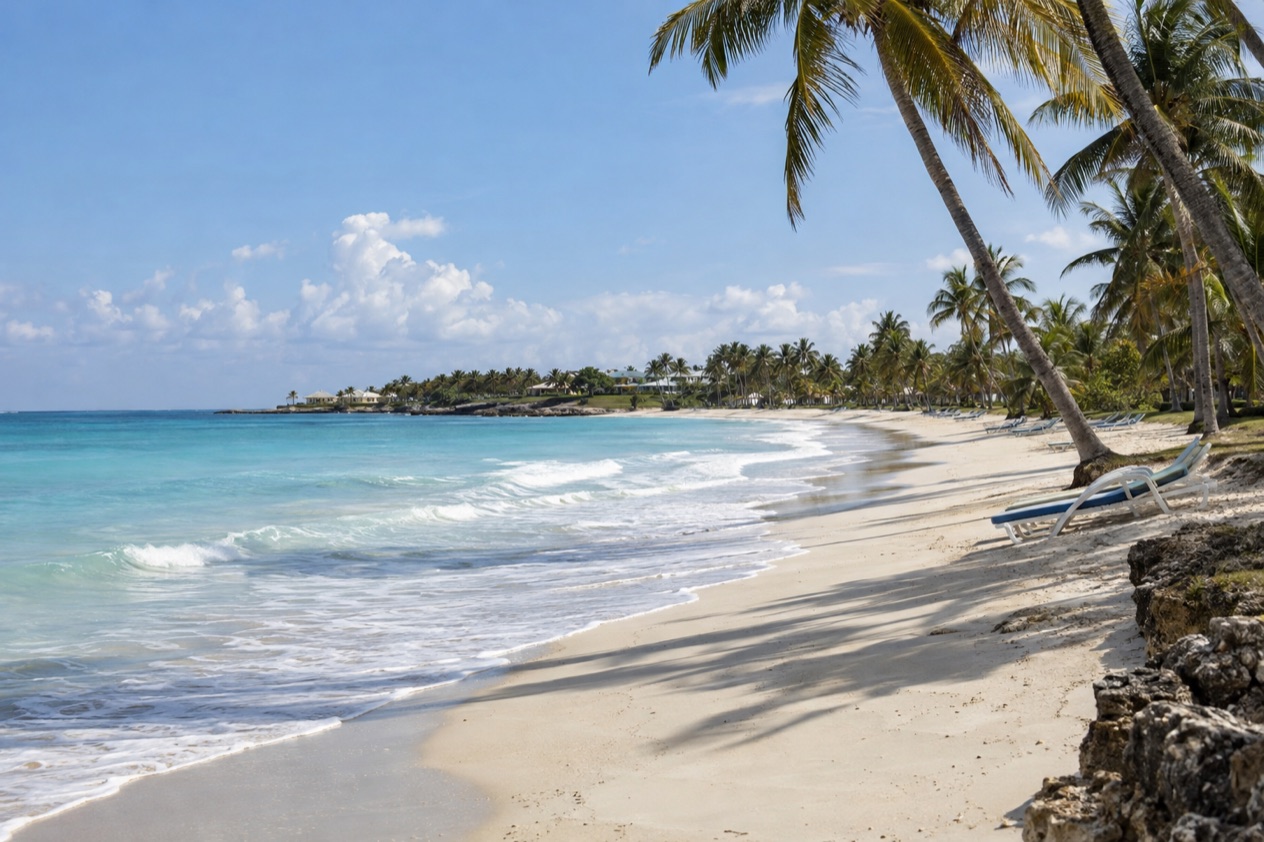
Lucaya is a suburb of Freeport on the island of Grand Bahama, roughly 105 miles east-northeast of Fort Lauderdale, Florida. Freeport itself was set up as a free trade zone in 1955, and Lucaya grew beside it as the part of town given over to visitors. Tourism is its main industry, and you feel that in the way the place is arranged: a resort area, a waterfront marketplace district, docks for dive boats and a long line of beaches nearby.
The pace is that of a beach resort rather than a village. Mornings belong to the dive operators and the people heading out on boats, afternoons drift toward the beach parks and the shaded tables near the water, and evenings gather around the waterfront, where live music and open-air dining set the mood. Grand Bahama is a large island, so Lucaya works well as a base for trips to national parks and quieter shores as well as a destination in its own right.
Lucaya suits travelers who like having a lot within reach: a resort stay with a dive shop down the road, a day at a beach park, a drive out to a cave system and back in time for dinner by the water. It also suits anyone who wants a Bahamian island holiday with some infrastructure behind it.
If your picture of the Bahamas is a single hammock on an empty cay with nobody else in sight, Lucaya is livelier than that, and you may prefer one of the smaller islands. If you want the sea to be the main activity, though, few places in the islands put it so close to the front door.
Freeport, next door, is the commercial heart of the island, with the airport and the everyday business of a working town. Lucaya is where you spend your vacation hours. Beyond both, the island stretches out toward quiet settlements, protected coastline and, at its far end, West End, the oldest settlement on Grand Bahama.
What is there to do in Lucaya?
The things to do in Lucaya come down to the water, the protected land around it and the beach parks. What sets it apart from other resort areas is the diving, which is serious enough to draw people who come only for that, and a national park within reach that holds a whole range of island landscapes.
Diving, sharks and the underwater world
Lucaya is home to UNEXSO, the UNderwater EXplorers SOciety, a dive charter operation that was the first destination dive charter business in the world. It runs a dolphinarium and a range of SCUBA charters, including shark feeding dives. For that feeding dive, UNEXSO requires an Open Water Diver certification and one dive through UNEXSO beforehand, so plan the order of your days around it.
Beyond the shop, the dive sites around Freeport read like a gallery. Picasso’s Gallery is famous for coral heads shaped like a painter’s palette. Sunken shipwrecks bloom with gorgonian sea fans and are crowded with fish, and divers can swim alongside Caribbean reef sharks. At Shark Junction, off Grand Bahama, the reef sharks likely appear on most dives, with encounters that are nearly guaranteed.
Tiger Beach is the far-out option, 26 nautical miles off the west end of the island, where the depth is only 20 feet. Several local operators, including Reef Oasis Dive Club and Neal Watson’s Bimini Scuba Center, offer it as a day trip with pickups from Freeport or West End. Non-divers are not left out, since the dolphinarium and the boats leaving the waterfront give everyone a reason to be near the docks.
Lucayan National Park and Gold Rock Beach
Lucayan National Park is the only place in the Bahamas where you can see all six of the island’s ecosystems, which makes it a good counterweight to a week of salt water. Gold Rock Beach belongs to the park and sits about 25 miles from Freeport, protected by the Bahamas National Trust. At low tide the shoreline spreads for yards into the sea, which is why it is known as the island’s welcome mat.
The beach has barbecue pits, picnic tables and benches, and no other amenities, so it is a place to spread out a lunch and watch the tide pull back across a wide flat of sand. Across the street, to the north, are the Lucayan Caverns, the world’s longest surveyed underground cave system. Access to the caves is seasonal because they are also used for bat conservation.
Visitors to the park are advised never to leave belongings unattended, as thefts have been known to occur. A day here pairs naturally with a morning on the water, since the park rewards a slower, wandering kind of day.
Taino Beach and the park beside it
Taino Beach lies in the City of Freeport on Grand Bahama, and its park is the everyday side of the coast. The land is leased from the Grand Bahama Port Authority for 99 years and is a prized possession of the Freeport/Lucaya Council, which has developed it as a place for Bahamians and visitors alike. That shared use gives it a different feel from a resort-only shoreline.
The park has restrooms, playground equipment and sitting areas, which makes it a comfortable place to spend a slow afternoon with children or with a book. A memorial to Edward St. George, the late Chairman of the Grand Bahama Port Authority, stands prominently in the grounds, a small piece of the island’s story for anyone curious about how Freeport came to be.
Peterson Cay and the boat-only shores
Peterson Cay National Park can be reached only by boat, and visitors are instructed to anchor in specific areas away from the coral reefs. The park is the sort of place where the rules matter as much as the scenery. Fishing, shelling and any damage to or removal of coral is strictly prohibited, as are garbage disposal and leaving ash, coals or embers behind.
For a visitor, that means a day of looking rather than collecting: reef, sky and a small protected cay seen from the water. It is the right kind of outing for anyone who has already done the beach park and wants a glimpse of the quieter, less developed side of Grand Bahama.
How many days do you need in Lucaya?
A long weekend is enough to feel Lucaya, and a week lets you see most of what the island around it offers. The town itself is compact in character, built around the waterfront, the dive docks and the beach parks, so the first days fill quickly with the sea and the evening scene.
With three or four days, a good rhythm is one day on the water, one day at a beach park, one day out at Lucayan National Park and Gold Rock Beach, and evenings by the marina. A diver might swap the beach day for a second set of dives, and anyone who wants to meet the sharks on a boat can fit that in without giving up the park.
A week opens up the farther corners of Grand Bahama. You can take the Tiger Beach day trip with its pickup from Freeport or West End, or follow the road west to West End itself, the oldest and westernmost settlement on the island and the first Port of Entry for boaters crossing from Florida. The caves and the boat-only Peterson Cay National Park fit well into a longer stay, since both depend on season and on getting out on the water.
If you add a rest day, put it in the middle: a long lunch near the waterfront, a slow walk through the marketplace area and an afternoon doing very little at Taino Beach. Lucaya rewards that kind of unhurried stay as much as it rewards a crowded schedule.
Divers will find that the days stretch easily. Between the reef dives, the wrecks and the shark encounters, a week of diving alone can run without repeating a site, and the dolphinarium at UNEXSO gives non-diving travelers in the same group something to do while the boats are out.
Where to stay in Lucaya
The most recognizable base in Lucaya is the Our Lucaya resort, which includes both The Radisson and Reef Village properties. It suits travelers who like one address to hold the whole trip, with a choice between its two properties and the resort rhythm of breakfast, beach and dinner without much planning. Staying here puts you in the heart of the resort area, which is where the evenings happen.
Staying near the Port Lucaya waterfront suits people who want the marina scene on their doorstep, with the boats, the music and the restaurants close by. It is a natural choice for divers, since the dive operators work from the docks and the mornings start on the water. Couples and groups of friends who plan to spend their evenings out will find this area the most lively.
The Taino Beach area, in the City of Freeport, suits families and anyone who likes having a public beach park nearby, with playground equipment, restrooms and sitting areas. It is a quieter option than the waterfront and feels more local, since the park is used by Bahamians as well as visitors.
Freeport proper is the practical choice for travelers who want to be near the airport and the town’s everyday life, with Lucaya a short hop away in spirit if not on the map. For boaters, West End is another base altogether, being the first Port of Entry for crossings from Florida, and it suits sailors and anglers rather than resort travelers.
How do you get to Lucaya and get around?
Most visitors reach Lucaya through Grand Bahama International Airport, which serves Freeport and carries the code FPO. Lucaya is a suburb of Freeport, so the same airport serves it. Grand Bahama sits in the Eastern Time Zone, so the clock matches the U.S. East Coast, which is a small comfort after a morning of travel.
By sea, the island lies close to Florida. Freeport is 67 miles off the coast of Palm Beach, and West End, the westernmost town, is 55 nautical miles from the Florida coast. West End is the first Port of Entry for boaters crossing over, so anyone arriving by private boat comes ashore there before heading on to the rest of the island.
Once you are in Lucaya, the place is organized around a few clusters: the resort area, the Port Lucaya waterfront with its docks and marketplace, and the beach parks such as Taino Beach. Within the waterfront district, moving about is a matter of strolling between the shops, the boats and the restaurants.
For the farther outings, the destination decides the method. Gold Rock Beach and Lucayan National Park lie about 25 miles out of Freeport, on the island’s own roads, with the Lucayan Caverns just across the street from the beach. Peterson Cay National Park is reached only by boat. The Tiger Beach trips leave with pickups from Freeport or West End, with the dive operators handling the crossing.
The island is large enough that the sights are spread out, so it helps to think of the days in two kinds: the days you stay in Lucaya and let the waterfront and the beach come to you, and the days you head out toward the park, the caves or the boat-only shores.
When is the best time to visit Lucaya?
The best months for Lucaya are November through April, the warm, dry season on Grand Bahama. In Freeport, winter highs average 82°F and lows 66°F, which is comfortable for walking the waterfront, spending a day at Gold Rock Beach or heading out on a boat. Evenings can feel cool enough that you will want a light layer at an outdoor table, and the days stay bright.
From May through October the island is hot and rainy. Summer highs in Freeport average 88°F with lows of 79°F, so nights stay warm and the days call for shade, slow lunches and plenty of time on the water.
Afternoon rain is part of the season, and the dive docks and beach parks have a more relaxed, lived-in feeling. That is the stretch for travelers who prefer heat and sea to cooler weather.
The hurricane season on Grand Bahama lasts from June through November, with the highest risk in August, September and October. In early September 2019, Hurricane Dorian struck Grand Bahama as a Category 5 hurricane, damaging or destroying nearly half of the homes on the island. The late fall months sit at the tail of that season, and December through April fall outside the official hurricane season.
Around Christmas and the new year, Junkanoo, the Bahamian street parade of costumes, cowbells and drums, brings color and noise to the islands, and the waterfront in Lucaya tends to feel festive. If your plans center on diving, the cooler months keep the days comfortable on land between dives, while the warm months suit anyone who wants the air and the sea at a similar temperature.
Good to know before you go
The U.S. State Department rates the Bahamas Level 2, “Exercise increased caution”, and says most crime occurs in Nassau on New Providence and in Freeport on Grand Bahama.
Prices on the island are quoted in Bahamian dollars, so keep that in mind as you compare menus and tours. Keep your belongings with you at beaches and parks, since thefts at Lucayan National Park have been known to occur.
The Atlantic hurricane season runs from June 1 to November 30, so a trip at the edges of that window deserves a look at the forecast before you fly. The rules that protect places like Peterson Cay, from the ban on shelling to the rules about coral, are part of what keeps the reefs worth the trip.
Sources
- Wikipedia, Lucaya (https://en.wikipedia.org/wiki/Lucaya,_Bahamas), checked October 10, 2026
- Bahamas Ministry of Tourism, Investments & Aviation (bahamas.com), Taino Beach (https://www.bahamas.com/natural-wonders/taino-beach), checked October 10, 2026
- Wikipedia, Freeport, Bahamas (https://en.wikipedia.org/wiki/Freeport,_Bahamas), checked October 10, 2026
- Wikivoyage, Grand Bahama travel guide (https://en.wikivoyage.org/wiki/Grand_Bahama), checked October 10, 2026
- Wikipedia, Grand Bahama (https://en.wikipedia.org/wiki/Grand_Bahama), checked October 10, 2026
- Bahamas Ministry of Tourism, Investments & Aviation (bahamas.com), Gold Rock Beach (https://www.bahamas.com/natural-wonders/gold-rock-beach), checked October 10, 2026
- Bahamas Ministry of Tourism, Investments & Aviation (bahamas.com), Dive Freeport (https://www.bahamas.com/experiences/dive-freeport), checked October 10, 2026
- Bahamas Ministry of Tourism, Investments & Aviation (bahamas.com), travel blog, Grand Bahama diving (https://www.bahamas.com/blog/dive-it-all-on-grand-bahama), checked October 10, 2026
- Wikipedia, Geography of the Bahamas (https://en.wikipedia.org/wiki/Geography_of_the_Bahamas), checked October 10, 2026
- NOAA NCEI, GHCN-Daily station BF000078073 (Nassau Airport), normals 1991-2020 computed from the daily record (https://www.ncei.noaa.gov/access/services/data/v1?dataset=daily-summaries&stations=BF000078073), checked October 10, 2026
- Open-Meteo Marine API, average 2015-2024, checked October 10, 2026
- U.S. Department of State, The Bahamas Travel Advisory, Level 2 (https://travel.state.gov/), checked October 10, 2026
- NOAA National Hurricane Center, Climatology (https://www.nhc.noaa.gov/climo/), checked October 10, 2026
To plan your stay
- Best Time to Visit the Bahamas: Weather, Hurricane Season, Sea Temperatures and Junkanoo
- Where to Stay in the Bahamas: Best Islands, Resorts, Boutique Stays and How to Choose
- Getting Around the Bahamas: Flights, Ferries, Mailboats and Taxis in Nassau
- Know Before You Go to the Bahamas: Entry Rules, Money, Getting Around and Local Customs