
Mornings in the Exumas start with the sound of outboards leaving the dock at Staniel Cay and the smell of conch salad being chopped on a picnic table in George Town. Days are built around boats, sandbars and a long lunch on a beach where the nearest neighbor may be a pig. The islands feel relaxed, but the honest question is still how much care a trip here needs, and the answer lies in the details of the water, the weather and the distance from a hospital.
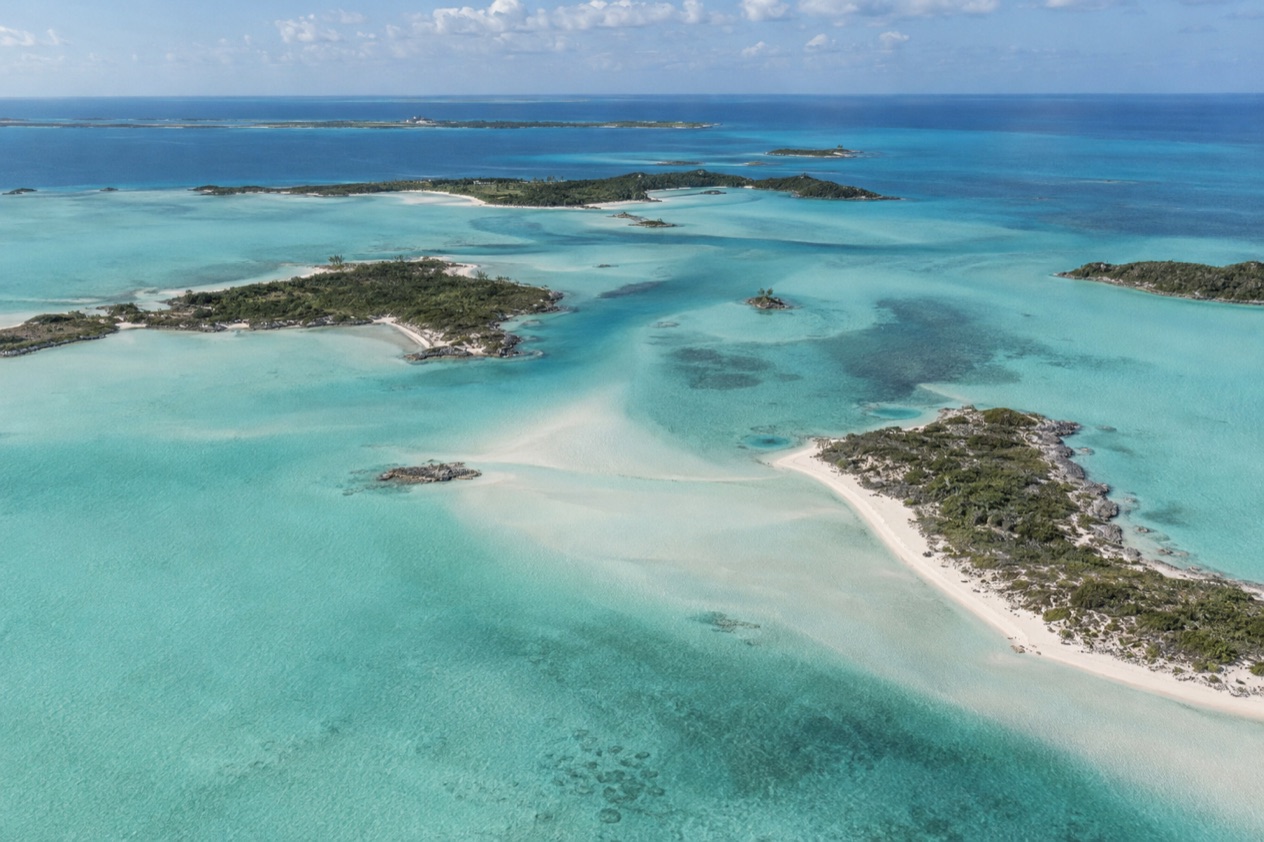
Is the Exumas safe to visit?
Mostly yes, as long as you do not read that as a promise that nothing will go wrong. The Exumas are a chain of islands and cays, and the biggest risks for a visitor tend to be the ones that come with remote islands: boats, weather and medical care that sits far from where you are standing.
On crime, the State Department points to Nassau on New Providence and Freeport on Grand Bahama as the places where most of it occurs. Neither is in the Exumas, which lie on their own islands and cays. That does not make the district trouble free.
The same sources ask travelers to stay alert in vacation rental properties across the country, especially where there is no private security. A rental house on a quiet stretch of Great Exuma or a cay is exactly that kind of place, so locking up and keeping valuables out of sight at the beach is a sensible habit.
The more practical worry is distance. Appropriate medical treatment in the Bahamas is typically available only in or near major cities, and outer islands have only small clinics with limited care.
First responders are generally unable to reach areas outside the major cities to give urgent treatment. For a district made of hundreds of cays, that matters more than any crime statistic. Plan the days with that in mind, and travel with insurance that covers medical evacuation.
Local law is the other thing to respect. Marijuana is illegal in the Bahamas, including CBD and THC products, and a medical card does not change that. Firearms and ammunition are illegal too, even a stray cartridge left in a carry-on, and police enforce this at the airport when travelers are leaving.
Safety by area in the Exumas
George Town and Great Exuma
Great Exuma is the main gateway to the district. Exuma International Airport sits a few miles from George Town, the island’s main settlement, which dates back to the late eighteenth century. It is a small waterfront town of pastel buildings, a harbor full of anchored sailboats and a few places to eat conch and cracked fish.
Little Exuma is joined to Great Exuma by a small bridge, so the two islands work as one stretch of road, with the driving on the left. Visitors here often stay in vacation rentals, and that is where the one specific caution applies: be alert in properties without private security. Medical help is limited compared with Nassau, so a serious problem may mean evacuation.
Staniel Cay and the central cays
Staniel Cay is a boating base. Its airport is an official Port of Entry with Customs and Immigration, and the marina is where many days on the water begin. Pig Beach, a sandy beach occupied by pigs, is a popular stop nearby, and the swimming pigs are the photo everyone takes.
At Staniel Cay Marina visitors may swim with nurse sharks at their own risk, and nurse sharks can bite if you put your hands near their mouths. The sensible way to enjoy it is to keep your hands to yourself and let the animals come to you. Pigs are still animals, so keep food and bags close and give them room.
Norman’s Cay and the northern Exumas
The northern cays are the quietest and the most remote part of the chain. Norman’s Cay holds a crashed cargo plane lying in the shallow water of its lagoon, a favorite for snorkelers and photographers. Without your own boat, a tour from Staniel Cay or Nassau reaches it.
Out here there is little around you besides sand, water and a few boats. That is the appeal, and it is also why this is where the limits on first responders and clinics weigh most. Tour companies in the Bahamas are not consistently regulated and many lack safety certifications, so the quality of your boat day depends on the operator you pick.
Common scams and how to avoid them
The traps in the Exumas are less about street hustlers and more about unregulated services. Commercial recreational watercraft, including water tours, are not consistently regulated in the Bahamas, and the tourism industry is unevenly regulated, with safety inspections of equipment and facilities not common. A friendly price for a boat day can hide a boat with no safety certification.
The simple way around it is to look at the vessel before you step aboard. Is there safety gear on board, and does the operator look like a working business rather than a favor from a friend of a friend? You are entitled to walk away from a boat that does not feel right.
Chartering has a legal side too. Operating a fishing boat or other charter in Bahamian waters without a license from the Bahamas Port Department can bring a heavy fine and prison time. If you are offered a charter by someone who has no license, you could be pulled into a problem that has nothing to do with your vacation.
Jet ski rentals deserve a word of their own. Sexual assaults by jet ski operators have been reported in the Bahamas, and U.S. government employees are barred from renting personal watercraft from independent operators on New Providence and Paradise Islands. The sensible response in the Exumas is to be wary of any independent operator who wants you alone on the water, and to prefer excursions that keep you with a group.
The last trap is the quiet one at the airport. A forgotten bullet in a bag is enough to cause a detention that can run for days, and drug arrests happen even for small quantities. Check your bags before you leave home.
Getting around safely
Getting around the Exumas means roads on the big islands and boats everywhere else. On Great Exuma and Little Exuma, which are joined by a small bridge, driving is on the left-hand side of the road, and seatbelts are required for drivers and passengers. Americans used to driving on the right should take the first minutes slowly.
The grim traffic reports belong to other islands. Congestion in Nassau is severe, drivers there often show aggressive or careless tendencies, and accidents involving pedestrians on New Providence are common. Road flooding is frequent in many areas, including Nassau and Freeport, during and after rainstorms. If you connect through Nassau on your way to the Exumas, expect those conditions there.
Between islands, you travel by air or by boat. Exuma International Airport has daily domestic and international flights, and Staniel Cay Airport serves as an official Port of Entry. Once you are on the water, the thing that matters is who is driving the boat and whether they hold the right license, since operating a charter without a license from the Bahamas Port Department brings serious penalties.
If something goes wrong on the road or the water, ambulance service exists on the major islands, but help becomes thin quickly beyond them. Medical treatment is typically available only in or near major cities, so keep that in mind when you plan a long day on a remote cay.
Beach, water and weather safety
Weather is the first thing to understand. Hurricane season in the Bahamas generally runs from June through November, and the Atlantic season officially runs from June 1 to November 30. Hurricanes can occur outside that period, and the Bahamas regularly experiences them. Airports and seaports cease operations well before a predicted hurricane arrives, so a storm can close your way out before it reaches you.
In the water, the Exumas are known for shallow lagoons, sandbars and clear channels, but the sea is not a place to take for granted. Some of the most talked about stops involve animals. At Staniel Cay Marina you can swim with nurse sharks at your own risk, and they can bite if hands go near their mouths. Pig Beach is a sandy beach occupied by pigs, which are still wild enough to deserve respect.
Boat tours to the plane wreck at Norman’s Cay or to the cays around Staniel Cay put you in open water with an operator who may not hold any safety certification. Watch how the crew handles the boat and whether life jackets are in sight.
Sun and heat are the quiet hazards on any boat day with little shade. Bring water, cover up and remember that help may be far away if you get sick. Medical care on outer islands is limited to small clinics, so a bad case of heat illness or a cut from coral is a bigger deal here than at home. Check NASA’s Air Quality Forecast if air quality matters for your health.
Good to know before you go
The U.S. State Department rates the Bahamas Level 2, “Exercise increased caution”, and says most crime occurs in Nassau on New Providence and in Freeport on Grand Bahama.
Money and medicine are linked here. Most care providers overseas accept only cash, most hospitals and doctors do not take U.S. health insurance, and Medicare and Medicaid do not apply abroad. Serious problems that need a medical evacuation to the United States can cost tens of thousands of dollars up front, which is why the State Department strongly recommends supplemental evacuation insurance.
Carry prescription medication in its original packaging with your doctor’s prescription, and be up to date on the vaccinations the CDC recommends. For emergencies, call 919 or 911 to reach the local police, and contact the U.S. Embassy for help, including after a sexual assault. People aged sixteen and over are tried as adults, and there is no right to a public defender in the lower courts, so legal help would be at the visitor’s expense.
Sources
- U.S. Department of State, The Bahamas Travel Information, Travel Advisory (Level 2) (https://travel.state.gov/), checked October 10, 2026
- U.S. Department of State, The Bahamas Travel Information, Safety and security (https://travel.state.gov/), checked October 10, 2026
- U.S. Department of State, The Bahamas Travel Information, Local laws and special circumstances (https://travel.state.gov/), checked October 10, 2026
- U.S. Department of State, The Bahamas Travel Information, Health (https://travel.state.gov/), checked October 10, 2026
- U.S. Department of State, The Bahamas Travel Information, Traveling and transportation (https://travel.state.gov/), checked October 10, 2026
- Bahamas Ministry of Tourism, Investments & Aviation (bahamas.com), travel blog, safety downtown Nassau (https://www.bahamas.com/blog/downtown-nassau-safe-for-tourists), checked October 10, 2026
- U.S. Department of State, The Bahamas Travel Advisory, Level 2 (https://travel.state.gov/), checked October 10, 2026
- Bahamas Ministry of Tourism, Investments & Aviation (bahamas.com), The Exumas (https://www.bahamas.com/islands/the-exumas), checked October 10, 2026
- Wikipedia, Exuma (https://en.wikipedia.org/wiki/Exuma), checked October 10, 2026
- Wikivoyage, Exuma travel guide (https://en.wikivoyage.org/wiki/Exuma), checked October 10, 2026
- NOAA National Hurricane Center, Climatology (https://www.nhc.noaa.gov/climo/), checked October 10, 2026
To plan your stay
- Best Time to Visit the Exumas: Weather, Sea Temperatures, Hurricane Season and Festivals
- Things to Do in the Exumas: Swimming Pigs, Thunderball Grotto, Beaches and Fresh Lobster
- Where to Stay in the Exumas: George Town, Little Exuma, Staniel Cay and How to Choose
- The Exumas from Miami: Flights, Connections, Boats and Making a Day of It