
The first thing you notice on a cloud-forest platform is the quiet, broken only by dripping leaves, a distant bird and the soft whir of a pulley somewhere down the line. Then a guide clips you to the cable, the ground drops away, and the treetops slide beneath your boots, thick with ferns, orchids and moss. Costa Rica has turned its forests into some of the most memorable zip-line courses anywhere, and the mountains around Monteverde and the lowlands near La Fortuna are where most travelers go to try it.
Where is the best zip lining in Costa Rica?
The two best-known places are Monteverde, in the cool Tilarán mountains, and La Fortuna, in the northern lowlands beneath the Arenal Volcano. They give you very different days, so the best choice depends on whether you want a misty forest or a volcano backdrop with hot springs afterward.
Both towns are built around outdoor activities, with tour desks, small restaurants and lodges set up for people who arrive in hiking shoes and leave with sore cheeks from grinning. Most visitors fit a zip-line morning into a trip that also includes a forest walk or a soak somewhere warm, which is one more reason these two bases work so well.
Monteverde and Santa Elena
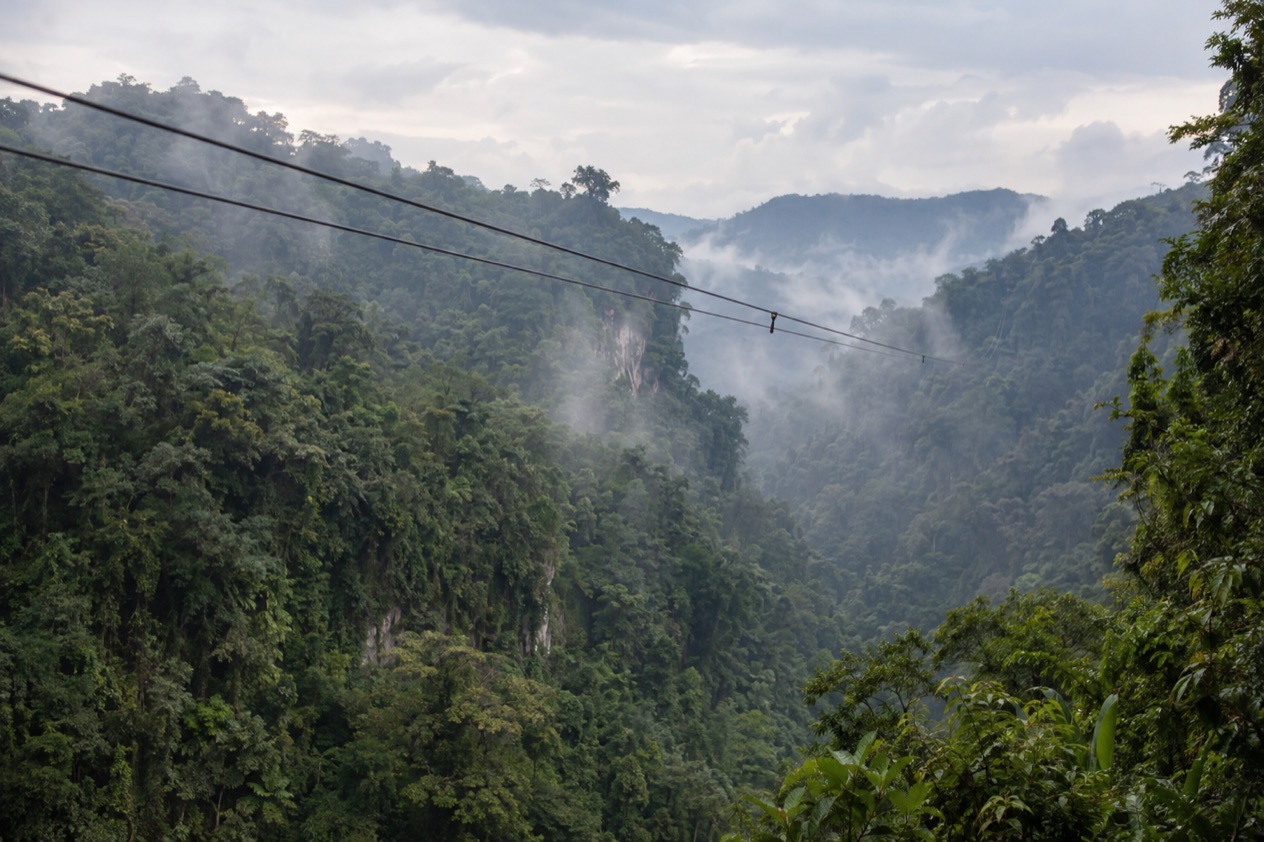
Monteverde is a cloud-forest area high in the mountains around the town of Santa Elena, where the air is cooler and often misty. Zip lining here feels different from a sunny lowland course. Cables run through and above a forest so thick with ferns, orchids and mosses that platforms sometimes seem to float in white cloud, and a long run can end with you gliding into a pocket of fog.
Bring a layer, because the mist and the speed of the descent can make you cooler than you expect. Views come and go with the weather, so treat any sweeping vista as a bonus and not a promise. What you can count on is the texture of the forest at close range, the sound of water in the leaves and the strange sensation of moving silently through a place that is usually explored on foot.
Monteverde suits travelers who like atmosphere more than adrenaline alone. It pairs naturally with hanging bridges and reserve trails, so many people book a zip-line course in the morning and spend the afternoon walking under the same canopy they just flew over.
La Fortuna and the Arenal area
La Fortuna is a small town at the foot of the Arenal Volcano and the main base for the area’s hot springs, waterfall, hanging bridges and lake. The zip lines here sit in warmer, lower forest, and on a clear day the cone of the volcano can rise above the treetops. It is a spectacular backdrop, though the summit is often wrapped in cloud, so enjoy it if it appears and do not plan the day around it.
The great advantage of La Fortuna is what comes after. You can finish a morning on the cables, then ease into a hot spring in the afternoon, a very good deal for tired legs and a racing heart. Families and groups with mixed appetites for adventure tend to like it, because there is always a gentler option nearby for anyone who prefers to watch.
Choosing between the two
If you want a cool, mysterious forest and a slower, more nature-focused day, pick Monteverde. If you want a lively base with a volcano on the horizon and hot water at the end of the day, pick La Fortuna. The two areas offer contrasting canopy experiences, so they can complement each other on a longer trip.
Whichever you choose, the season shapes the mood. Today the country is in its green months, when forests are at their lushest and rain on the Pacific side and in the Central Valley usually comes in the afternoon, so mornings are the natural time to be up on the cables. Ask your operator how the day’s conditions look before you commit to a time slot.
Is zip lining in Costa Rica safe?
Zip lining carries real risk, as any adventure sport does, and U.S. citizens have died in Costa Rica while doing adventure sports. That is not a reason to stay on the ground, but it is a reason to choose your operator with care and to treat the safety briefing as the most important part of the day.
A good course feels almost boring in its procedures. Before booking, ask the operator to explain its equipment checks, braking system and safety briefing. If that attention is missing, it is a signal worth listening to.
Choosing an operator and a guide
The Costa Rica Tourism Institute (ICT) provides a list of Certified Tour Guides, which can help you check an individual guide’s credentials. Look for operators who talk openly about their equipment, how their guides are trained and what happens if the weather turns, rather than those who simply promise thrills.
Take time to read recent traveler reviews that describe the briefing and the way guides handled nervous guests. A guide who slows down for a hesitant first-timer is a better sign than any glossy photograph. If something about the setup looks worn, loose or rushed, you are free to walk away before you are clipped in.
A guide-led course also helps with the practical side of the day. The team handles the transfers between platforms, the order in which people go and the moments when a run should be paused, so you can concentrate on your own body and the cable ahead.
What you can do yourself
Listen to the briefing as if it were a test. Keep your hands where the guide tells you, keep long hair and loose items tucked away, and follow the braking instructions exactly, even if they feel odd. Closed shoes with grip are a good idea on wet platforms, and anything you carry should be secured so it cannot drop into the forest.
Be honest about your health and your fear of heights. Ask the operator before booking about health restrictions, and disclose any relevant concern to the guides. Ask before booking whether individual elements can be skipped.
Weather, fatigue and judgment
Wet cables, strong wind and low visibility change how a course runs. Ask before booking how the operator handles bad weather, delays and cancellations. Avoid zip lining after a long night or a heavy meal, and keep alcohol for the end of the day, once the harness is off.
If the group is eager and you are not, say so. Peer pressure is common on a platform, and the surest way to enjoy the day is to go at your own pace. Check whether your travel insurance covers zip lining before you leave home.
What else can you do in the canopy?
Beyond the cables, you can cross hanging bridges, walk reserve trails and join guided night walks, all of which show the forest at a walking pace instead of a flying one. In Monteverde visitors come for exactly this mix, and La Fortuna adds hot springs, a waterfall and a lake to the list.
The canopy is where much of a rainforest’s life happens, so any of these activities gives you a different slice of it. A zip line shows you the shape of the forest, and a bridge or a trail lets you stop and look.
Hanging bridges
Hanging bridges are suspended walkways strung between trees and ridges, letting you stroll through the middle layers of the forest without any harness at all. You look down on ferns, across at bromeliads loaded with water and up at branches draped in moss. Near Monteverde they often drift in and out of cloud, and near La Fortuna they sometimes frame views of the volcano.
They suit almost everyone, including people who want the canopy without the adrenaline. Go slowly and keep your voice low, because birds and monkeys tend to stay hidden from noisy groups. A guide will spot far more than you will, from a perched toucan to an insect that looks exactly like a leaf, and animals are always a chance, never a promise.
Reserve trails and night walks
Reserve trails in Monteverde lead through dripping, mossy forest where the air smells of earth and the light turns green. Walking them at an unhurried pace shows details a cable run cannot, such as epiphytes clinging to trunks, tiny orchids and streams crossing the path. Wear shoes with grip, because the ground can be slick.
Guided night walks reveal another world. Using flashlights, guides look for frogs, insects and sleeping birds, and the forest sounds entirely different after dark. You may see eyes glinting in the leaves or a perfectly camouflaged creature that the guide points out at the last second. It is a calm, quiet outing and a nice contrast to a loud, fast day on the zip lines.
Hot springs, waterfall and lake near La Fortuna
The area around La Fortuna is built for recovery after an active morning. Hot springs warmed by the volcanic landscape range from simple riverside pools to polished resorts with terraces and swim-up bars. A soak at dusk, with the forest sounds rising around you, is one of the best endings to an adventure day.
The region’s waterfall and lake add more ways to spend time outdoors, and the lake is a pleasant place for a quieter look at the volcano’s profile. Conditions on rivers, falls and lakes change, so ask locally before you get into any water and follow the guidance of the people who know it.
What should you know before you go?
Plan your zip-line day around the weather, the way you dress and the kind of operator you pick, and arrive with realistic expectations about what the forest will show you. A calm, curious approach gets you more than a rushed one.
What to wear and bring
Dress in light, quick-drying clothes that you do not mind getting damp, and choose closed shoes you can walk in. Long pants protect your legs from harness rubbing and from insects on the platforms. In cloud-forest country a light rain jacket or a warm layer is welcome, because the mist is cool even when the day is bright.
Bring sunscreen and insect repellent, and a small bag for essentials that your guides can help you stow. Ask the operator about its rules for cameras, phones and personal items. Many courses offer photos taken by the staff, so you may not need your own gear at all.
Choosing the right day and pace
Mornings are usually the calmer time in the green months, because rain on the Pacific side and in the Central Valley tends to arrive in the afternoon. Highland and northern areas have their own rhythm, so ask your operator how the day looks instead of relying on a general rule. Cloud and mist are part of the experience in Monteverde, not a flaw.
Do not rush the rest of the day. A zip-line outing is better when it sits between a relaxed breakfast and an unhurried afternoon, giving you time to look around the town, sit with a coffee and let the adrenaline settle. If you are traveling with children or older relatives, ask what options exist for those who prefer the ground.
Who it suits
Zip lining suits curious travelers who are reasonably fit, comfortable with heights and willing to listen. It is not a test of bravery, and many first-timers say the first launch is the hardest while the rest is pure fun. If you are nervous, tell your guide, stand where you can watch others go first and take it one platform at a time.
If heights are truly not for you, the canopy still has plenty to offer through trails, bridges and night walks. A trip to Monteverde or La Fortuna works without a single cable, and some groups split up for a few hours and meet again over lunch, each with a story to tell.
Good to know before you go
The U.S. State Department rates Costa Rica Level 2, ‘Exercise increased caution,’ due to crime; it says petty crime is common throughout Costa Rica and that violent crime also affects tourists, including armed robbery, homicide and sexual assault.
Petty theft is common in busy places, so keep valuables out of sight, use a hotel safe when you can and do not leave bags unattended at a trailhead or a parking area. Rules, prices and trail conditions change, so confirm details directly with your operator and check a park’s official page before you head to it. For night walks, hanging bridges and any outing into the forest, a certified guide adds both safety and a far richer experience, and a shared ride or a trusted transfer is often easier than driving mountain roads after dark.
Sources
- U.S. Department of State, Costa Rica Travel Information, Safety and security (https://travel.state.gov/content/travel/en/international-travel/International-Travel-Country-Information-Pages/CostaRica.html), checked October 8, 2026
- U.S. Department of State, Costa Rica Travel Advisory, issued April 1, 2026 (https://travel.state.gov/content/travel/en/traveladvisories/traveladvisories/costa-rica-travel-advisory.html), read via the State Department open data API on October 8, 2026
To plan your stay
- Best Time to Visit Costa Rica: Dry and Green Seasons, Weather by Region and Festivals
- Where to Stay in Costa Rica: Beach Towns, Cloud Forest, Volcano Views and Which Base Fits Your Trip
- Costa Rica Airports: San Jose or Liberia? Beaches, Drive Times and Getting to Your Hotel
- Know Before You Go to Costa Rica: Entry Rules, Money, Getting Around and Local Customs