
On a January morning in Costa Mujeres, the sand is cool underfoot, the breeze off the Caribbean is soft, and the first sun loungers fill up beside the infinity pools of the big all-inclusives. Summer brings a heavier heat, a sea like warm bathwater and afternoon storms that roll in and clear within the hour, while autumn is the season of long gray rains. This quiet strip of beach just north of Cancun rewards those who match the month to the kind of trip they want.
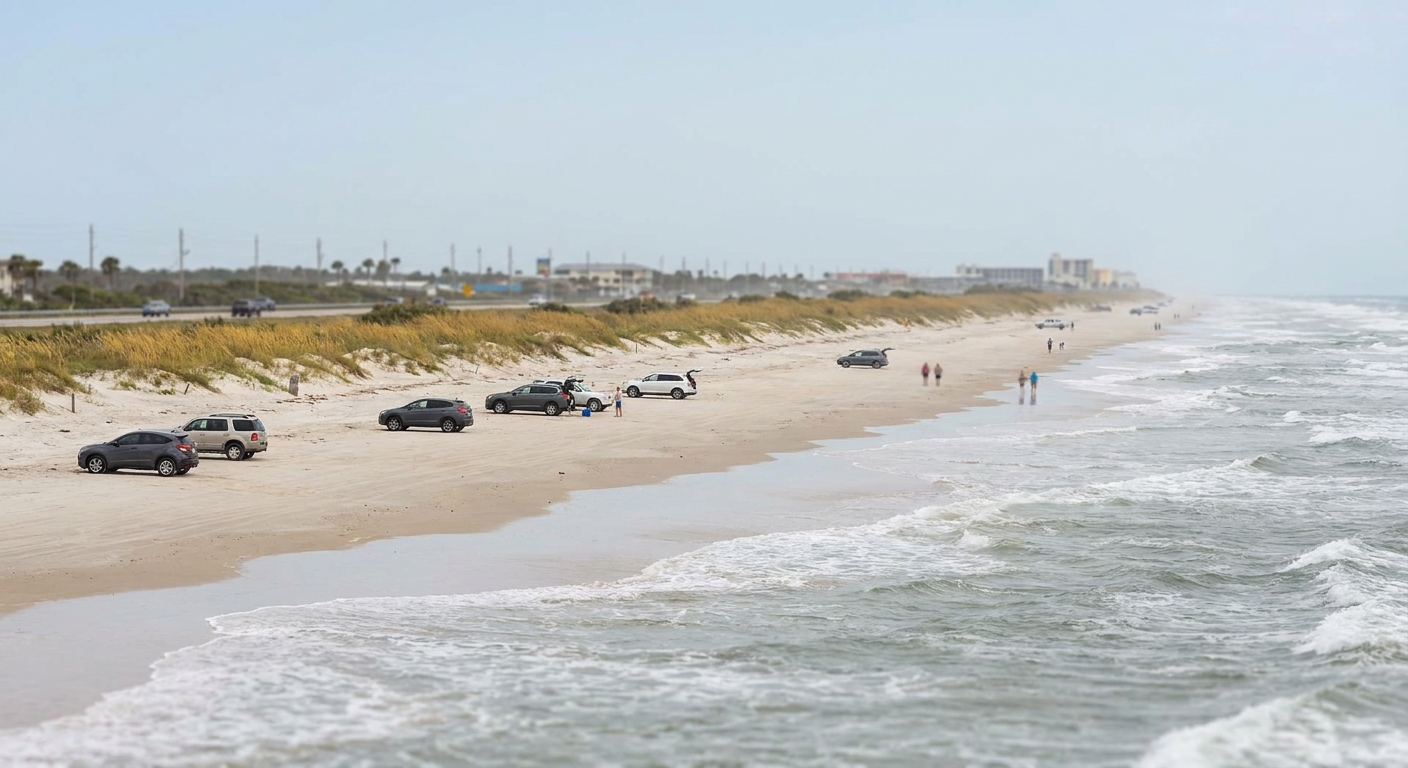
When is the best time to visit Costa Mujeres?
The best time is from December through April, when the air is warm without being punishing, the sea stays inviting and the rain is mostly light, and May works well for travelers who like real heat. Within that stretch, February and April tend to suit most people.
For beach days and swimming, March, April and May are hard to beat. Afternoons are hot and bright, the water is clear and warm, and showers are rare. Sightseeing is more comfortable in the cooler months, from December to February, when a morning at the Maya ruins or a walk through the streets of Isla Mujeres will not wear you out before lunch. The ferries leave from Puerto Juárez, close to the resort strip.
If you want quiet and easier room hunting, look at May, June and the first part of autumn, when the resorts are calmer and the beach has space. Families should know that March brings spring break, and the pools, beach clubs and buffets get loud with students and big groups. Early December and late April are gentler for children.
Costa Mujeres weather by month
Heat is a constant here, and what changes through the year is how much rain falls and how it arrives.
| Month | Average high (°F) | Average low (°F) | Rain (in) | Rain days | Sea (°F) |
|---|---|---|---|---|---|
| January | 83.7 | 68.0 | 4.09 | 10.9 | 80.7 |
| February | 86.2 | 69.1 | 2.33 | 6.8 | 80.2 |
| March | 88.7 | 70.5 | 1.52 | 5.4 | 80.7 |
| April | 91.6 | 73.2 | 1.67 | 4.2 | 81.6 |
| May | 93.6 | 75.6 | 3.43 | 7.8 | 82.6 |
| June | 93.2 | 76.8 | 7.26 | 12.1 | 84.1 |
| July | 94.6 | 77.0 | 2.64 | 9.2 | 85.0 |
| August | 95.2 | 77.0 | 4.02 | 11.6 | 84.8 |
| September | 93.6 | 76.3 | 7.15 | 15.1 | 86.0 |
| October | 90.0 | 74.7 | 10.91 | 17.6 | 85.2 |
| November | 86.5 | 72.1 | 5.17 | 12.9 | 83.7 |
| December | 84.9 | 69.8 | 3.80 | 11.7 | 81.5 |
Late winter and early spring are the sunniest stretch, with March and April the driest. December and January count about as many rainy days as some summer months, but the rain is different: short showers, or a gray, breezy day when a winter cold front passes.
Summer rain comes as hot-afternoon storms, and September and October bring the longest wet spells, with the heaviest rain of the year in October. Nights stay mild all year, and from late spring they are muggy.
When is Costa Mujeres cheapest and least crowded?
The quietest months are September and October, with May and June also calm, and these are the months when rooms are easiest to find and the beach has the most room to spare. Resorts often run promotions to fill the lull, and you can often get a lounger by the water without an early start.
The busiest weeks follow the calendar of American and Mexican vacations. Christmas and New Year fill the resorts, the weeks of spring break in March are packed, and Easter week brings Mexican families to the coast in large numbers.
Mexican school vacation, from about early July to late August, is another busy stretch, with more local families on the sand and a lively mood by the pools. Mid-January and early February sit between peaks, with good weather and a more relaxed pace.
Which months should you avoid in Costa Mujeres?
September and October are the months most travelers are better off skipping, because they sit at the heart of the Atlantic hurricane season, which runs from June 1 to November 30, and they bring the most rainy days of the year.
Most days in those months are still warm, and a storm is usually a matter of a few gray days rather than a ruined trip. Still, tropical systems can reshape plans, and the heaviest rain of the year falls in October. June and November also lie within the season, though with less activity.
Sargassum, the brown seaweed that drifts across the Caribbean, is usually worst from spring into summer. It can pile up on the shore and is the first disappointment of many beach trips, and no stretch of sand is guaranteed to escape it.
Resorts rake the beach each morning, but the water close to shore can still be cloudy. In winter, the cold fronts known as nortes bring a day or two of wind, clouds and a choppier sea, and while the air stays pleasant, it is not a day for the beach.
Summer heat is the other thing to weigh. From June to September, afternoons are very hot and humid, so you will spend the middle of the day in the pool or in the shade. The U.S. State Department rates Quintana Roo Level 2, “Exercise increased caution.”
When can you swim in Costa Mujeres?
You can swim here all year, because the Caribbean never gets cold, and the sea ranges from pleasantly cool in winter to bathwater warm in late summer.
From December to March the water is refreshing, and on a sunny afternoon it feels perfect after hours in the sun. By April and May it has warmed to the point where you slip in without a thought, and from June through October it is at its warmest, with September the peak. November eases back but is still gentle.
The beach faces the open Caribbean, so the waves can be livelier than in the sheltered bays around Cancun, especially during a norte in winter or when a storm passes far offshore. Spring brings the calmest, clearest mornings, though sargassum can change that. Summer days often start calm and bright, with the clouds building in the afternoon.
Festivals and events in Costa Mujeres through the year
Winter holidays and Carnival
Christmas and New Year are celebrated in style in the resorts, with lit lobbies, themed dinners, live music and fireworks over the water on New Year’s Eve. Many properties set up a nativity scene, and some stage a posada, the Mexican pre-Christmas party with piñatas and hot ponche, a fruit punch, in the days before December 25.
Carnival arrives in the weeks before Lent, usually in February or early March. The big parades are in the nearby towns, with feathered costumes, brass bands and dancers, and Isla Mujeres has its own lively version a short ferry ride away. It suits travelers who want some local color alongside beach time.
Easter week and Día de Muertos
Semana Santa, Easter week, is the main holiday for Mexican families, and the coast fills with picnics, music and children playing in the surf. It is festive but crowded, so the beach is at its liveliest and the resorts at their fullest.
Día de Muertos, from October 31 to November 2, is the other great moment of the year. Resorts set up marigold altars, painted skulls and sugar skulls in their lobbies, and the nearby towns add processions and altars in the squares. Look for pan de muerto, the sweet bread of the season. It is a good reason to travel in early November, when the rain is easing.
Nature seasons: whale sharks and turtles
Whale sharks gather off the northern tip of the Yucatán Peninsula in summer, usually from around June into September, and boat trips leave from the Isla Mujeres and Cancun area to see these gentle giants. It suits adventurous travelers and families with confident swimmers, and mornings are usually the calmest on the water.
Sea turtles come ashore to nest on Caribbean beaches through the summer months, and hatchlings scramble to the sea at night in late summer. Some resorts and local groups run protection programs, and watching a release at dusk is one of the most memorable moments of a summer stay.
Sources
- Servicio Meteorologico Nacional (CONAGUA), normales climatologicas 1991-2020, estacion 23155 (Cancun, Benito Juárez), checked September 29, 2026
- Open-Meteo Marine API, average 2015-2024, checked September 8, 2026
- sunrise-sunset.org, sunrise and sunset on the 15th of the month, checked September 8, 2026
- NOAA National Hurricane Center, checked September 6, 2026
- ASUR, official site (asur.com.mx), checked September 29, 2026
- Congreso del Estado de Quintana Roo, Ley del Impuesto al Hospedaje del Estado de Quintana Roo, art. 8, congresoqroo.gob.mx, checked September 29, 2026
- Ley de Derechos del Estado de Quintana Roo, art. 51-Octies, congresoqroo.gob.mx, checked September 29, 2026
- U.S. Department of State, travel.state.gov, checked September 29, 2026