
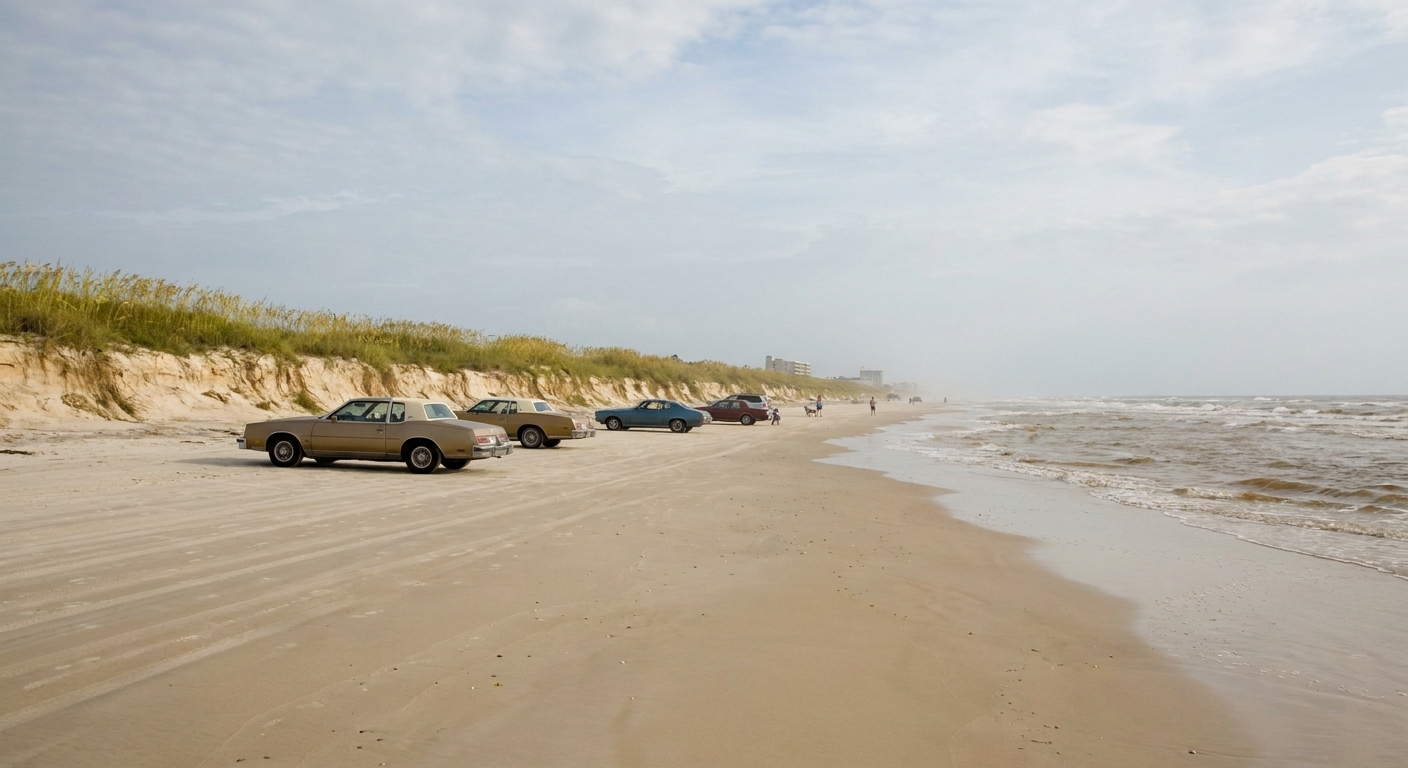
Late in the afternoon along Boulevard Kukulcan, the sea turns turquoise to deep blue, pelicans drop into the surf, and the smell of grilled fish drifts from beach shacks. Cancun is a beach town first, with Maya ruins tucked between the hotels and some of the Caribbean’s best-known excursions leaving from its docks. It suits anyone who wants sand and warm water in the morning and a pyramid, a reef or a cenote by afternoon.
What are the best things to do in Cancun?
The best things to do in Cancun are to spend time on its Caribbean beaches, visit the small Maya sites in town, and use the city as a base for boat trips and day excursions.
- Swim and lie out on the Hotel Zone beaches, where the water is the reason you came.
- Walk the ruins of El Rey, a quiet Maya site shared with iguanas.
- Take the ferry to Isla Mujeres for a golf cart ride and calm water at Playa Norte.
- Snorkel among the sculptures of the MUSA underwater museum.
- Swim in a cenote on the Ruta de los Cenotes, a short drive south.
- Spend a day at Chichén Itzá, the great Maya city of the Yucatán.
- Join a whale shark trip from about June to mid-September.
- Eat tacos al pastor and fresh ceviche in the downtown markets and taquerías.
Sights and landmarks in Cancun
Cancun’s sights are modest in scale but easy to fit around beach time. The Hotel Zone, curved like a seven between the sea and the lagoon, is best seen from the bus window or from a lagoon-side restaurant at sunset. The ruins sit in and around it, and most visitors are surprised by how green and quiet they are.
El Rey
El Rey was a fishing and trading settlement that reached its most important stage in the Late Postclassic period. Today you wander low platforms and a small pyramid among shady trees, with large iguanas sunning on the stones and the lagoon glinting behind. The site takes its name from a sculpture found by English travelers in the early twentieth century.
It sits in the Hotel Zone, so a bus or taxi from downtown gets you there in 20 to 30 minutes. Go early, before the heat builds and while the light is soft for photographs. It suits families and history lovers, but shade is limited in places and the ground is uneven. Bring water, a hat and insect repellent.
San Miguelito and the Maya Museum
The Museo Maya de Cancún is the cool, air-conditioned stop, with a collection of objects from sites across the Yucatán Peninsula. A path leads from the museum into the San Miguelito ruins, where the Palacio Chaak shows the East Coast style it shares with Tulum, Xcaret and Xelha.
Together the two make an easy half morning, with the museum giving context for what you then see among the trees. The site has residential buildings and a small temple, and you should expect uneven ground with no climbing on the structures. Bring cash for tickets.
El Meco
El Meco lies north of the center on the mainland near Puerto Juárez, about 15 minutes from downtown. Its tallest building, El Castillo, served a fishing village linked to Cobá and later controlled access to the sanctuary on Isla Mujeres. A main pyramid rises over an open plaza, and you will often have it nearly to yourself.
It combines well with the ferry to Isla Mujeres, since the docks at Puerto Juárez are close by. Plan roughly an hour for the visit and go in the morning. Shade is scarce, so a hat helps.
| Site | Open | Admission |
|---|---|---|
| El Rey | Daily, 8 a.m. to 5 p.m. | 145 pesos (80 pesos for Mexican nationals and foreign residents, free for them on Sundays) |
| El Meco | Daily, 8 a.m. to 4:30 p.m. | 145 pesos (80 pesos for Mexican nationals and foreign residents, free on Sundays) |
| San Miguelito | Tuesday to Sunday, 9 a.m. to 6 p.m. (last entry 4:30 p.m.) | 210 pesos (105 pesos for Mexican nationals and residents, free for them on Sundays; children under 13 free) |
Beaches and outdoor things to do in Cancun
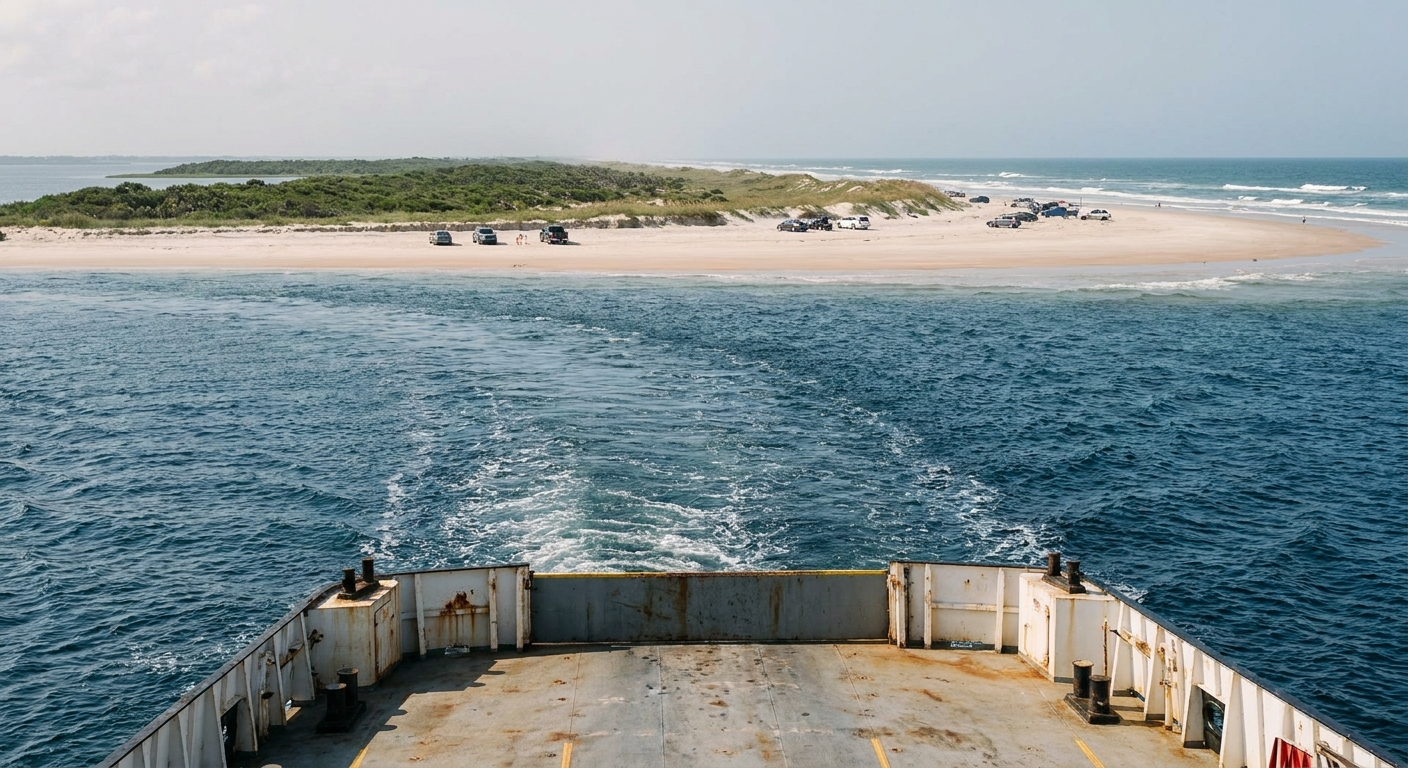
The beaches face the Caribbean along one side of the Hotel Zone, while the Nichupté Lagoon on the other side is calmer and better for kayaks and sunset boat rides. Sea turtles nest on these beaches from about May to October, and hatchlings head for the water from late summer into fall, often in releases run by the city or hotels. Sargassum can wash ashore in amounts that change from year to year, and crews rake it daily when it arrives.
Isla Mujeres and Playa Norte
Ferries leave from Puerto Juárez and Playa Tortugas, and the crossing from Puerto Juárez takes about 20 to 30 minutes. Playa Norte is shallow and sandy with calm water and palapas for shade, which makes it a favorite for families. Some beach areas have rocky patches, so water shoes help.
Rent a golf cart to follow the island’s paved road from Playa Norte down to the cliffs of Punta Sur. Arrive in the morning to enjoy the beach before the ferry crowds. Bring Mexican pesos, since beach clubs and small restaurants do not all take cards.
MUSA, the underwater museum
MUSA lies in the sea between Cancun and Isla Mujeres, and boats from Cancun marinas take about 20 to 30 minutes to reach it. It holds over 500 sculptures, most of them by Jason deCaires Taylor, including The Silent Evolution with its 450 life-size human figures and The Banker. Fish and coral are slowly claiming them.
A tour lasts about 3 to 4 hours and stops at two or three sculpture areas. Snorkelers see the shallower pieces while certified divers go deeper. Mornings bring calmer seas and better visibility. It is not for non-swimmers, and a tour that supplies mask, snorkel, fins and wetsuit makes things simple.
Cenotes on the Ruta de los Cenotes
South of Cancun, the road inland from Puerto Morelos threads through jungle to a string of cenotes, the freshwater sinkholes of the peninsula. Cenote Zapote, Kin Ha and Las Mojarras have wooden platforms and ladders, and you can swim or snorkel in clear, cool water. The drive from Cancun takes about 30 to 45 minutes to the first ones.
They suit swimmers and families, though many require life jackets and have steep stairs, so they are not for non-swimmers. Wear biodegradable sunscreen or none, bring water shoes, and carry cash for entry fees, which vary by cenote.
Day trips from Cancun
Chichén Itzá
Chichén Itzá is the day trip most people have in mind. You see El Castillo pyramid, the Great Ball Court, the Temple of the Warriors, the Observatory (El Caracol) and the Sacred Cenote. Driving west on toll highway 180D takes about 2 to 2.5 hours, and ADO buses take about 3 hours.
Arrive at the 8:00 opening to beat the heat and the tour buses. Foreign visitors pay a single ticket of 697 pesos. The walking distances are long with little shade, and climbing the pyramid is prohibited. Bring a hat, sunscreen and a refillable bottle, and cash for the vendors inside.
Tulum
Tulum is a walled Maya port on a bluff above the Caribbean, and the setting is the draw. Inside the stone wall you pass the Temple of the Frescoes, where traces of painted murals survive, then reach El Castillo on the cliff edge, with the turquoise sea and a small cove far below.
The site is compact, so an hour or two is enough, and the first hours of the day are the coolest and calmest. Drive south on Highway 307 for about 1.5 to 2 hours, or take an ADO bus to Tulum town and then a 10-minute taxi or colectivo to the site.
Foreign visitors pay 265 pesos. Paths are uneven with steps, so it is not ideal for strollers, and climbing on the ruins is not allowed. It suits history lovers and photographers. Bring water and a hat, as shade is limited.
Holbox
Holbox is an island of sandy streets, with no cars to speak of and a slow pace. Drive or take an ADO bus about 2.5 to 3 hours to Chiquilá, then a passenger ferry of 20 to 30 minutes crosses over. Allow roughly 3 to 3.5 hours each way.
You can walk or bike to Playa Holbox, kayak through mangroves and watch flamingos at Punta Mosquito from a distance. In certain months bioluminescent plankton glow in the water at night. ATMs are limited and many businesses take cash only, so bring pesos and insect repellent, and check the return ferry schedule.
Whale sharks
From about June to mid-September, with a peak in July and August, whale sharks gather off Isla Mujeres and Holbox. Licensed boats leave from marinas in Cancun or from Isla Mujeres, and the outing lasts about 6 to 8 hours, with a boat ride of 1.5 to 2 hours each way.
You slip into open water in small groups with a guide, wearing a life jacket. It suits confident swimmers and is not recommended for young children, non-swimmers or anyone prone to seasickness. Choose a licensed operator that follows wildlife distance rules, and use reef-safe sunscreen.
What to eat in Cancun
Eating in Cancun means Yucatecan cooking, built on achiote, sour orange and slow roasting. Cochinita pibil, pork marinated and baked until it falls apart, arrives in tacos or on a torta with pickled red onion. Poc chuc, grilled pork with a citrusy marinade, and sopa de lima, a brothy chicken soup with lime, are everyday staples.
With the sea so close, ceviche, grilled fish and shrimp tacos are easy to find, and a plate of fresh seafood at a beach shack is a simple pleasure. Downtown, the market stalls and taquerías serve tacos al pastor off the spit, and marquesitas, crisp rolled crepes filled with cheese or Nutella, make a good street dessert.
To drink, try horchata, agua de jamaica or a michelada with lunch, and a cold beer by the water. Visitors who want a local spirit can ask for xtabentún, an anise and honey liqueur from the Maya region.
Things to do in Cancun at night
Cancun nights split between the Hotel Zone, with its clubs, beach bars and big resort shows, and downtown, where families eat late at open-air restaurants and plazas fill with music. Mariachi and marimba players work the tables, and street carts sell elote and churros after dinner.
The Hotel Zone’s clubs along Boulevard Kukulcan run late and cater to a lively crowd, while quieter options include a drink by the lagoon or a stroll along a lit hotel boardwalk. The U.S. State Department rates Quintana Roo Level 2, and its advice is to pay attention to your surroundings after dark and to stay in well-lit pedestrian streets and tourist zones.
Things to do in Cancun with kids
Children usually remember the water first. Playa Norte on Isla Mujeres has shallow, calm water and shade from palapas, and a golf cart ride around the island feels like an adventure to most kids. The Hotel Zone beaches can have waves, so keep a close eye on little swimmers.
The ruins appeal to curious kids, especially El Rey with its iguanas, though shade is limited and the ground uneven. Some cenotes suit swimmers and families, with life jackets required at many. Whale shark trips and long boat days are not recommended for young children.
The sun is strong year-round, so hats, reef-safe sunscreen and water matter, and a midday break in the shade keeps everyone cheerful. Plan the longer excursions like Chichén Itzá for mornings and expect an early start.
Good to know before you go
Buses and taxis link downtown with the Hotel Zone, and ferries cover the short hop to Isla Mujeres. Dollars have no legal-tender status in Mexico, so shops and restaurants may refuse them or set their own rate, though resorts and big tourist businesses usually take them. Pesos in cash help at small places. The Atlantic hurricane season runs from June 1 to November 30, and sargassum arrives in amounts that vary by year.
| Fee | Amount | Who pays |
|---|---|---|
| Visitax (state tourist fee) | About 293 pesos (2.50 UMA) | Every foreign visitor entering Quintana Roo, per person |
| Lodging tax (Impuesto Sobre Hospedaje) | 5% of the billed value (6% when a host or booking platform collects payment for a short-term rental) | Guests, on accommodation |
Sources
- INAH, Zona Arqueologica El Rey (inah.gob.mx) ; gratuite dominicale INAH (tarifs 2026 : Por Esto QR 06/01/2026, Chilango), checked October 3, 2026
- INAH, "Zona Arqueologica El Rey", checked September 29, 2026
- INAH, "Zona Arqueologica El Meco" (inah.gob.mx/zonas/zona-arqueologica-el-meco), checked September 29, 2026
- INAH, Museo Maya de Cancun (inah.gob.mx/museos) ; official account of the Museo Maya de Cancun (last access to the area: 16 h 30) ; Mexico es Cultura, checked October 3, 2026
- INAH, "Zona Arqueologica de San Miguelito", checked September 29, 2026
- Ultramar, "Ferry Isla Mujeres" (ultramarsales.ultramarferry.com/es/ferry-isla-mujeres.php), checked September 29, 2026
- Congreso del Estado de Quintana Roo, Ley del Impuesto al Hospedaje del Estado de Quintana Roo, art. 8 (text as of 16 December 2025, congresoqroo.gob.mx), checked September 29, 2026
- Ley de Derechos del Estado de Quintana Roo, art. 51-Octies ; 2026 amount: Pixan Riviera (29/01/2026), Assistance Visas ; visitax.gob.mx unreachable on 03/10/2026
- Ley Federal de Derechos, art. 8-I ; Instituto Nacional de Migracion, gob.mx/inm, checked September 29, 2026
- U.S. Department of State, Mexico Travel Advisory, State of Quintana Roo (travel.state.gov, date issued May 29, 2026), checked October 3, 2026
- NOAA National Hurricane Center, "Tropical Cyclone Climatology", nhc.noaa.gov, checked September 29, 2026
- Ley Monetaria de los Estados Unidos Mexicanos, art. 8
- verifie le 03/10 (CruiseMapper, Cruzely)
- https://lugares.inah.gob.mx
- https://musamexico.org
- INAH, bulletin of 19/09/2026 (inah.gob.mx, Boletines), checked October 5, 2026
- Gobierno de Quintana Roo, qroo.gob.mx (23/07/2026) ; gob.mx, Plan Tulum Renace, checked October 5, 2026
To plan your stay
- Best Time to Visit Cancun: Weather by Month, Crowds, Hurricane Season and Festivals
- Where to Stay in Cancun: Hotel Zone, Costa Mujeres, Isla Mujeres and Hotel Taxes
- Cancun Airport to City: Buses, Taxis, Shuttles and Getting to the Hotel Zone
- Know Before You Go to Cancun: Entry Fees, Money, Getting Around and Local Customs