
Walk out of Kokura Station and the city greets you with the smell of soy and griddled noodles from yakiudon counters, with a castle keep rising over the riverside streets. Down at the harbor in Moji, old brick warehouses and the sound of ship horns carry you back to the days when this was a gateway port. Kitakyushu is a working city of ports, steel and trains, and it suits travelers who like to find a place’s character in its food and its old industrial streets.
Where is Kitakyushu and what is it like?
Kitakyushu is a large city in Fukuoka prefecture, on the island of Kyushu, and it sits at the point where Kyushu meets the main island of Honshu across a narrow strait. The Kanmon Bridge and the Kanmon Tunnels, which carry a road, a railway and the Shinkansen, tie it to Shimonoseki on the Honshu side. That link gives the city its role as a threshold: for travelers it is the first place they stand in Kyushu.
The city is a young one on paper. It was created in 1963 by joining Kokura, Moji, Tobata, Wakamatsu and Yahata, and you can still feel those five separate personalities. Kokura is the commercial center, with department stores, arcades and the castle. Moji is the old harbor town, with its retro waterfront. Yahata carries the memory of the steelworks that shaped Japan’s industrial growth, while Tobata and Wakamatsu keep a more local, everyday rhythm.
The pace is that of a port city that does not stage itself for visitors. You will find shopping streets where office workers eat lunch, covered arcades, small bars, and quiet spots by the water.
Travelers who want temple after temple, geisha districts or a single postcard skyline may find the city scattered. Those who enjoy trains, harbor views, regional cooking and a look at how Japan built its modern economy tend to leave fond of it.
Kitakyushu also works as a base, since Kokura Station is a stop for all Shinkansen services on the San’yo line before the Fukuoka terminus. That placement makes it a calm alternative to staying in a bigger city, and it puts the strait crossing and Shimonoseki within reach for an outing across the water.
What is there to do in Kitakyushu?
The reasons to come are a castle, a restored harbor district, the memory of an industrial past and a table of local dishes. What sets Kitakyushu apart from Fukuoka and the other cities of Kyushu is that its attractions come from trade and industry rather than from hot springs or a single great temple, and the result feels like a lived-in city rather than a showpiece.
Kokura Castle and the center of Kokura
The castle was built by Hosokawa Tadaoki in 1602, and after the Ogasawara clan took it over it served as the seat of the domain until 1860. It burned down in 1865, and the keep you see today is a reconstruction. Walking up through the grounds, you take in the stone walls, the moat-side paths and the view of the city’s towers behind the keep.
Kokura works well as a stroll that continues after the castle, since the shopping arcades and the riverside lie around it. The grounds stay open into the evening, which means you can see the keep lit against the sky. Pair the castle with a plate of yakiudon, the stir-fried noodle dish that locals link with this part of town.
| Site | Open |
|---|---|
| Kokura Castle, April to October | 09:00 to 20:00 |
| Kokura Castle, November to March | 09:00 to 19:00 |
Mojiko Retro, the old harbor of Moji
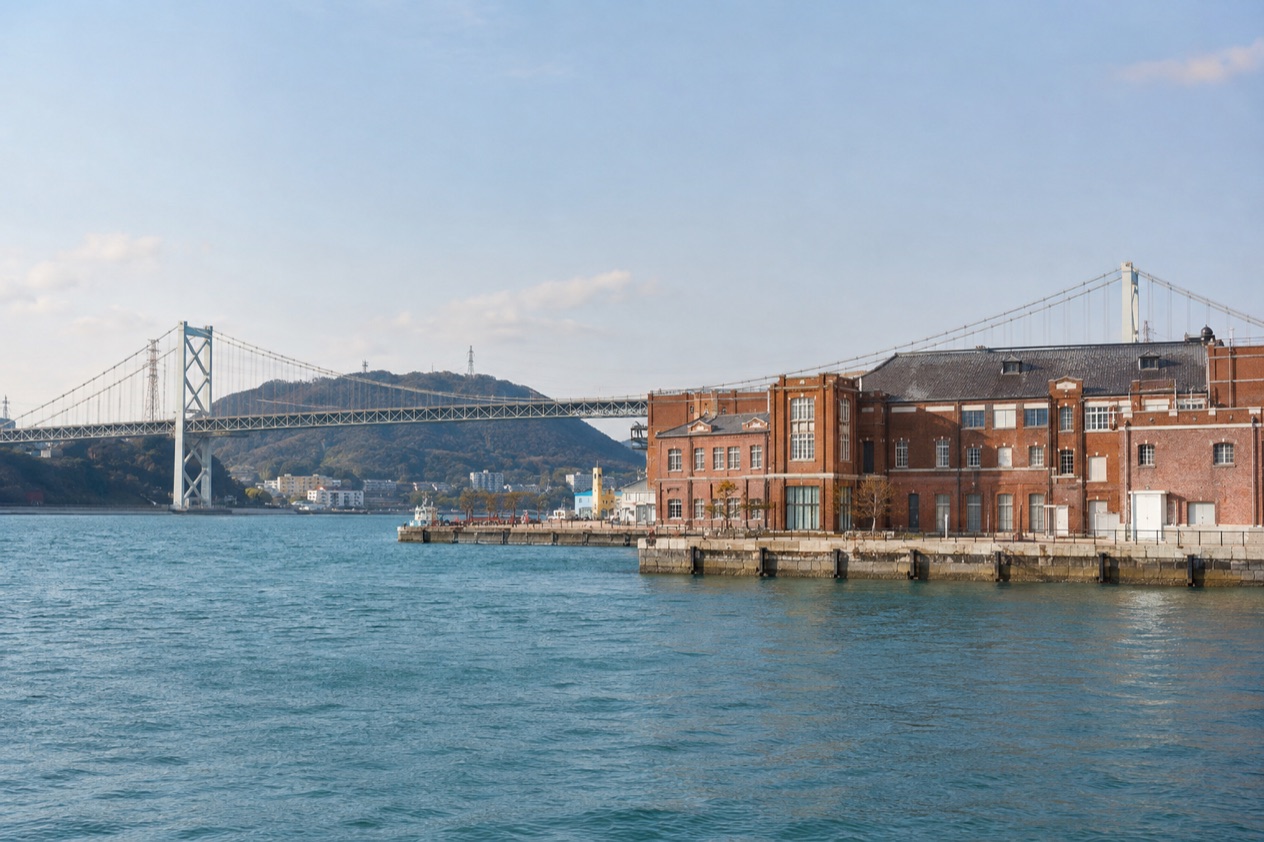
Mojiko Station is the northern terminus of the Kagoshima Main Line, the most important line in the JR Kyushu network, so a trip to the harbor is also a small piece of rail history. Around it, the Mojiko Retro district gathers brick and stone buildings from the days of the port’s trading heyday, now holding cafés, galleries, small shops and waterfront promenades.
The local dish here is yaki-curry, baked curry rice topped with cheese and often an egg, served at restaurants all around the station. Along the water you look across the strait toward the Honshu shore, where the bridge and the ships passing through give the view its movement. It is a place for wandering slowly, with a sweet or a coffee in hand.
The industrial story of Yahata and Tobata
Yahata is where Japan’s modern steelmaking took root, and the area still tells that story through its ironworks and the mill-town streets that grew up around them. Even if you only pass through, you notice how the city’s layout follows its factories, ports and rail lines. It is the side of Kitakyushu that most separates it from a classic tourist town.
Tobata and Wakamatsu, the other harbor-side districts, show the same working character in a quieter, more local form. These areas suit travelers who like to see how a place earns its living, and who are happy to spend an afternoon in neighborhoods with few sights and a lot of daily life.
Crossing to Shimonoseki
Because the Kanmon Bridge and the three Kanmon Tunnels join Kitakyushu to Shimonoseki, the Honshu city becomes an outing in its own right. Shimonoseki is known for fugu, the pufferfish served in careful, specialized restaurants, and for its fish market and waterfront.
Whether you go by train through a tunnel or by road over the bridge, the crossing itself is part of the interest, since you are passing between two islands. It makes a good addition for a traveler who wants a taste of both Kyushu and Honshu from a single base.
How many days do you need in Kitakyushu?
Two days is enough to see the main sights of Kitakyushu, and a long weekend lets you add a day across the strait or a slower look at the districts. The city does not demand a rush, and its pleasures come in an easy sequence of a castle, a harbor and a few good meals.
With a short stay, give one day to Kokura and one to Moji. In Kokura, you visit the castle, wander the arcades and find a place for yakiudon. In Moji, you reach the harbor by train, walk through the Mojiko Retro district, eat yaki-curry and look across the strait. That pair of days gives a fair picture of the city’s two moods, the commercial and the maritime.
With a third day, turn to the industrial side. Spend time around Yahata and its steelworks heritage, or explore Tobata and Wakamatsu on foot, stopping where a neighborhood café or a market street draws you in. This day suits travelers who care more about how a city works than about ticking off sights.
A fourth day opens the neighboring places. Shimonoseki lies across the Kanmon crossing and gives you fugu and a Honshu waterfront. Fukuoka, the terminus of the Shinkansen line after Kokura, is the next stop for those continuing through Kyushu. Travelers fold Kitakyushu into a longer Kyushu route, using it as a first night after crossing from Honshu or as a last night before flying out of its own airport.
Where to stay in Kitakyushu
The two natural bases are Kokura and Moji, and each suits a different traveler. Kokura is the choice for those who want to be near Kokura Station, where every Shinkansen service stops, and near the airport bus. Around the station you find the arcades, the restaurants and the castle within reach of one another, so you can step out for dinner without planning.
Moji, around Mojiko Station, suits travelers who want the harbor in the evening, when the brick buildings of Mojiko Retro glow and the strait carries the lights of passing ships. It is a base for people who value atmosphere over convenience for onward trains, and it is the terminus of the Kagoshima Main Line, which means rail connections along that route begin from your doorstep.
Yahata, Tobata and Wakamatsu offer a more local experience, with fewer places aimed at visitors and a stronger sense of ordinary neighborhoods. They suit travelers who have a particular interest, such as the industrial heritage, or who want to see a part of the city that tourism has barely touched.
For most first visits, Kokura is the sensible starting point, with Moji as a second choice for a night or two by the water. Splitting a stay between the two lets you wake in each part of the city and gives the visit a shape, from commercial center to old harbor.
How do you get to Kitakyushu and get around?
Kitakyushu can be reached by plane, by Shinkansen and by the road and rail links across the Kanmon crossing. Kitakyushu Airport has flights to Seoul, Taipei and Tokyo-Haneda, which makes it a gateway for travelers coming from Tokyo or from elsewhere in East Asia.
By rail, Kokura Station is the penultimate stop on the JR West San’yo Shinkansen before the Fukuoka terminus, and all Shinkansen services stop there. The Japan Rail Pass covers all San’yo Shinkansen trains stopping at Kokura except Nozomi and Mizuho trains. From Honshu, Kitakyushu and Shimonoseki are connected by the Kanmon Bridge and the Kanmon Tunnels, which carry a road, a railway and the Shinkansen.
| Bus | Departure time |
|---|---|
| First bus, Kokura Station Bus Center to Kitakyushu Airport | 04:00 |
| Last bus from Kitakyushu Airport | 24:55 |
Within the city, the rail network ties the districts together. Kokura Station serves the Shinkansen, and Mojiko Station sits at the end of the Kagoshima Main Line, so the trains themselves link the commercial center and the harbor. The airport bus from the Kokura Station Bus Center gives a direct road link between the city center and the runway.
Around each district, walking is how you take in the details, whether along the castle grounds in Kokura or the waterfront of Mojiko Retro. For the farther districts, such as Yahata, Tobata and Wakamatsu, you will want to plan your day around the places you intend to see, since they are separate neighborhoods that grew from separate cities.
When is the best time to visit Kitakyushu?
Spring and autumn are the natural choices for a trip built around walking, since much of the pleasure here is outdoors: the castle grounds, the harbor promenades and the streets between districts. Summer brings heat and humidity to a coastal city, and the early summer rainy season, which comes to much of Japan, can turn a day gray, so it helps to keep an indoor plan such as the arcades of Kokura or a long lunch.
The castle’s opening hours stretch later from April to October, which gives the long months more evening time at the keep. From November to March the castle closes an hour earlier, so winter visits suit those who prefer to see the grounds in daylight and spend the evening in a restaurant or at the harbor.
If you want to see Kitakyushu at its liveliest, this is the moment, though you should expect the city to be busier in festival days. Outside the festival, the city keeps an even pace through the year.
Good to know before you go
Kitakyushu is a city where you can follow your own rhythm, with transit hubs at Kokura and Mojiko that tie the districts together. Carry some yen for small restaurants and market stalls, and keep a light rain layer in the early summer. Take your time at the harbor, and let a meal of yakiudon or yaki-curry set the pace for the day.
Sources
- Wikipedia, Kitakyushu (https://en.wikipedia.org/wiki/Kitakyushu), checked October 11, 2026
- Wikivoyage, Kitakyushu (https://en.wikivoyage.org/wiki/Kitakyushu), checked October 11, 2026
To plan your stay
- Best Time to Visit Japan: Cherry Blossoms, Autumn Colors, Weather and Festivals
- Where to Stay in Japan: Ryokan, Temple Stays, Capsule Hotels and the Best Cities to Base In
- Sending Luggage from the Airport in Japan: Hands-Free Travel, Hotel Delivery and Coin Lockers
- Know Before You Go to Japan: Entry, Money, Etiquette and Getting Around