
Fog slides in off the Pacific, the harbor lamps blur, and somewhere along the waterfront a grill is already sending up smoke from skewered fish and vegetables. Kushiro is a port city on the far eastern side of Hokkaido, where the streets end at the sea on one side and at wetlands that seem to go on forever on the other. It suits travelers who like wide horizons, birdwatching and a good seafood dinner more than a checklist of temples.
Where is Kushiro and what is it like?
Kushiro is a city in Kushiro Subprefecture on the island of Hokkaido, set along the coast of the North Pacific Ocean. It is the fourth largest city in Hokkaido and the largest in Eastern Hokkaido, a vast and isolated region that holds three of Hokkaido’s six national parks. That makes Kushiro a working regional hub, with the practical business of a harbor town, and also the doorway to some of the wildest landscape in Japan.
The character of the place comes from the water. The port handles fishing boats and cargo, and its sister-port ties with New Orleans in Louisiana and with Port Stephens in New South Wales say something about a city that has long looked outward across the ocean. Walk the waterfront and you feel the sea in the air, in the gulls and in the menus.
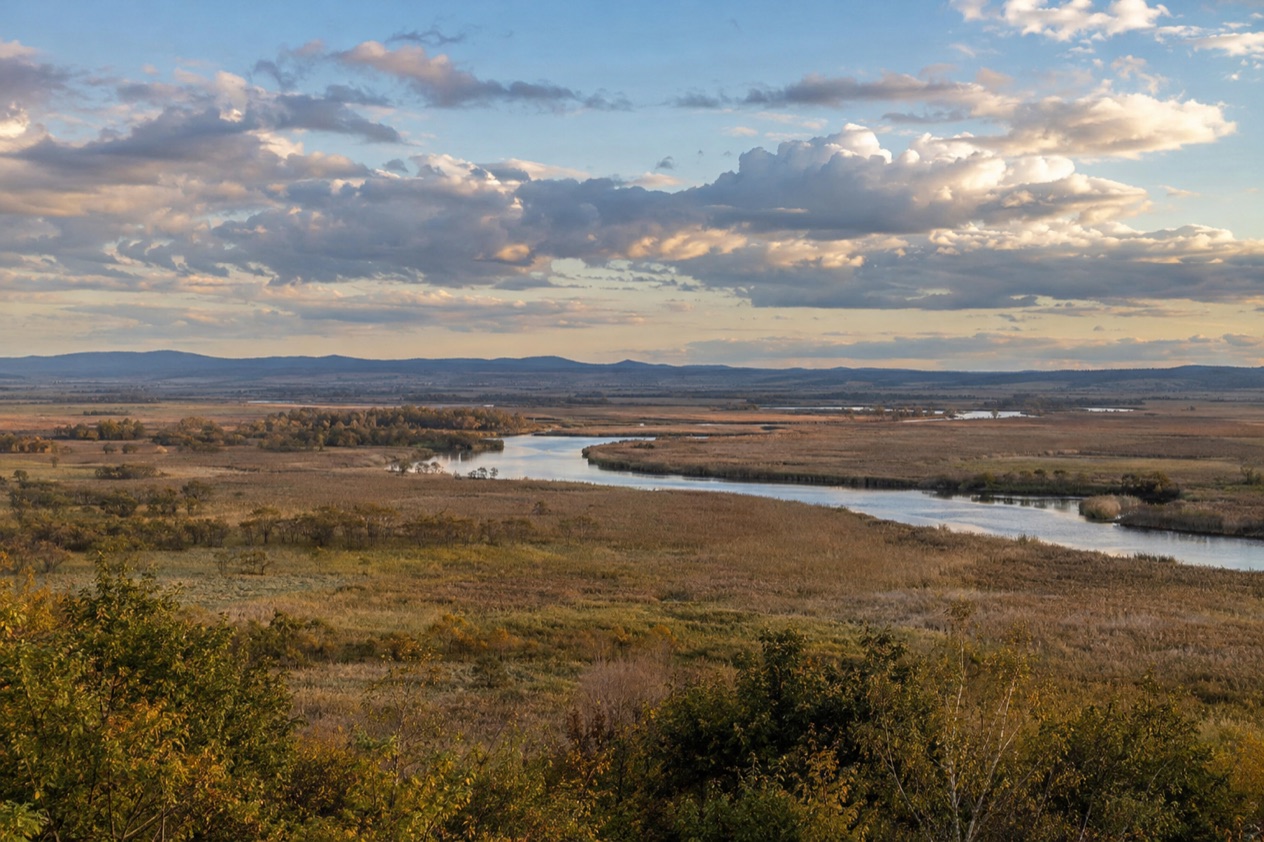
The second half of the character is the marshland. Kushiro is home to Japan’s largest marshland, and the city sits at its edge, so reeds, mist and open sky are never far from the last row of buildings. The mood is that of a northern coastal town, unhurried and a little weathered, with the sort of light photographers like when the fog lifts.
Who will love it? Birdwatchers, hikers, photographers, and anyone who plans a trip around meals of fresh fish. Who may not? Travelers who want a dense core of palaces, shrines and old merchant streets will find Kushiro a different kind of destination, one where the landscape is the monument and the city is the place you eat and sleep between outings.
What is there to do in Kushiro?
The big reasons to come are the marsh and its cranes, the harbor and its food, and a few city spots that tie the two together. What sets Kushiro apart from its neighbors in eastern Hokkaido is that it combines all three within one city, so you can watch wetland birds in the morning and sit down to a harbor dinner the same evening.
Kushiro Marsh and the cranes
The Kushiro marshes are the largest in Japan, and they are the reason travelers arrive at all. The wetland was designated under the Ramsar Convention in 1980 and became Japan’s 28th national park in 1987. What you see is a flat, wide expanse of reeds and sedge, winding streams and distant low hills, with birds crossing a very large sky.
The marsh is a year-round home to endangered Japanese cranes, which is why it is a popular stop for birdwatchers. The tall white birds with red crowns are the draw, and with luck you may see them wading, calling or stepping through the grass in their slow, formal way. Bring binoculars and a camera with a long lens, and be ready to stand still for a while, because wildlife here rewards patience rather than speed.
This outing suits nature lovers and photographers best. Children who like animals often enjoy it too, as long as they can wait quietly. Wear layers and shoes that can handle damp ground, since the wetland edge stays soft in many places.
The harbor, the wharf and the table
Kushiro’s port is the most reliably ice-free port in all of Hokkaido throughout winter, and fishing is part of daily life. That shows on the plate. Expect bowls of rice piled with fresh raw fish, grilled fish, crab, scallops and the smoky robata-yaki style of cooking, in which seafood and vegetables are grilled slowly over charcoal at a counter. People link the style with this city.
Kushiro Fisherman’s Wharf is the waterfront complex where food, shops and harbor views gather in one place. Two of its buildings, MOO and EGG, keep the hours shown here. Come hungry, wander the stalls and the shops, and finish with a coffee or a sweet while watching the water.
| Site | Open |
|---|---|
| Kushiro Fisherman’s Wharf MOO | 10:00 to 19:00 |
| Kushiro Fisherman’s Wharf EGG | 10:00 to 19:00 |
Lake Harutori and the city’s calmer corners
Lake Harutori lies within the city, so a walk here is possible without leaving town. It has a circumference of 2.9 miles, an area of 36.1 ha and a deepest point of 5.7 m.
It makes a gentle counterpoint to the marsh and the harbor. You can use it as a breather between bigger outings, or as a place to watch the light change over the water. Combine it with a meal in town and you have a relaxed evening that needs no planning.
How many days do you need in Kushiro?
A long weekend is enough to see the essentials, and a few more days let you reach farther into eastern Hokkaido. With two or three days you can give one day to the marsh and its cranes, one to the harbor, the wharf and a long seafood meal, and still have room for the lake or a slow morning in town.
A short stay works well as a pause on a larger Hokkaido trip. Kushiro is a place where you slow down, so trying to cram in too much defeats the purpose. Let weather guide your choices, since fog can soften the views of the water and the marsh and a clear day is the moment for bird photography.
With more time, the region itself becomes the subject. Eastern Hokkaido is vast and isolated, with three of Hokkaido’s six national parks, so a longer trip can follow the wild coast and the park landscapes beyond the city. Kushiro then serves as a base, a place to return to for a warm meal and a bed after a day outdoors.
Think of the area in layers. The first layer is the city and its marsh, the second is the other parks of the east, and the third is the cities reached by train or plane from the region’s airports, such as Obihiro. Each extra day adds another layer rather than another version of the same sight.
A traveler who loves birds and landscape photography can happily fill a week. Someone who mostly wants a taste of the region, a good dinner and a look at the marsh will find a night or two plenty. Either way, leave some slack in the schedule for the weather and for lingering over meals.
Where to stay in Kushiro
Travelers choose between three kinds of area: the city center, the waterfront by the port and the wharf, and the neighborhood around Lake Harutori. Each gives a different feel for the same city, and the choice depends on whether you care most about restaurants, harbor views or a walk before breakfast.
The city center suits travelers who want a base for dinners, bars and the practical needs of a regional hub, such as shops and transport links. After a day in the wetlands, it is pleasant to come back to a part of town where food is nearby and you can choose among small restaurants and izakaya, the casual Japanese pubs that serve grilled and fried dishes with drinks.
The waterfront near the port and Fisherman’s Wharf suits those who come mainly for the sea and the seafood. You are close to the harbor atmosphere, with the gulls, the boats and the smell of salt. Evenings by the water, with the lights on the harbor, are a good reason to stay here, especially when fog rolls in.
The area around Lake Harutori suits travelers who like a morning walk, a bit of greenery and a more residential feel. It is a fit for visitors staying several nights who want to settle in rather than rush through. Families and anyone who prefers a slower rhythm often like this kind of base.
Beyond the city, the national park landscapes of eastern Hokkaido have their own lodgings, from small guesthouses to onsen inns, the hot spring lodgings where soaking in a communal bath is part of the stay. If your plan is mainly the wild east, one night in the park country and the rest in Kushiro is a sensible way to split the trip.
How do you get to Kushiro and get around?
You reach Kushiro by air or by train, and you can combine them with the wider network of eastern Hokkaido. More than five airports serve the vast eastern Hokkaido region, so there are several ways into the area, and Kushiro sits among them as the largest city of the east.
Two of the region’s airports have direct flights to Tokyo. Tokachi-Obihiro Airport serves Obihiro, and Monbetsu Airport serves Monbetsu, both on the list of ways to enter eastern Hokkaido. Travelers who land at one of these can continue to other parts of the region by land.
By rail, different areas of eastern Hokkaido can be reached by train from Sapporo and other major cities, and these train lines are covered by the Japan Rail Pass. A train journey across Hokkaido shows how big and empty the island can be, with fields, forest and coast passing by the window.
Once in Kushiro, the central city and the harbor are the natural places to explore on foot, and the marsh and the wider region reward more planning. Think of each outing as a small expedition with a start and an end.
For the wider region, the options are trains on the lines out of the city, local buses and road travel. Each gives a different pace, and each has its own rhythm, so it helps to look at the map before deciding. Plan the day around where you will eat, because meals are an anchor in a landscape of long distances.
When is the best time to visit Kushiro?
There is no single best month, because Kushiro offers something in every season, and the cranes are here year-round. Summer brings green wetlands and long days on the water, though fog from the Pacific can drift over the coast and soften the views. It is a good time for the marsh, for harbor meals and for walking around the lake.
Winter has its own appeal. Kushiro receives only a third as much snowfall as Sapporo and almost twice as much sunshine as the Kuril Islands, so the season brings crisp, bright days more often than you might expect for northern Hokkaido. The port stays the most reliably ice-free in the island all winter, which keeps the harbor lively and the seafood coming.
Spring and autumn sit between these moods, with changing light across the reeds and the sea. These shoulder seasons suit travelers who prefer a middle path, with wetland views and city meals in cooler air. Bring layers in any season, since the coast can turn from sunny to foggy in an hour.
Because the birds live here all year, your trip does not depend on a single migration window. That freedom lets you plan around your own schedule, your own tastes and the weather you like best. Choose summer for green landscapes, winter for clear, cold light, and the in-between months for a calmer pace.
Good to know before you go
Kushiro is a city of the sea and the marsh, so pack for changeable coastal weather and for walking on soft ground. Fog is part of the character of the place, and clear spells can come and go. The region’s size means distances between sights add up, so give each day a single main outing and let the meals fill the rest.
Treat the marsh with care, stay on the paths and keep a respectful distance from the cranes, which are endangered. In Kushiro, the quiet moments by the water are as much the point of the trip as any sight.
Sources
- Japan National Tourism Organization, Kushiro (https://www.japan.travel/en/destinations/hokkaido/hokkaido/kushiro-and-hokkaido-east/), checked October 11, 2026
- Wikipedia, Kushiro (https://en.wikipedia.org/wiki/Kushiro), checked October 11, 2026
- Wikivoyage, Kushiro (https://en.wikivoyage.org/wiki/Kushiro), checked October 11, 2026
To plan your stay
- Best Time to Visit Japan: Cherry Blossoms, Autumn Colors, Weather and Festivals
- Where to Stay in Japan: Ryokan, Temple Stays, Capsule Hotels and the Best Cities to Base In
- Sending Luggage from the Airport in Japan: Hands-Free Travel, Hotel Delivery and Coin Lockers
- Know Before You Go to Japan: Entry, Money, Etiquette and Getting Around