
Flames lick the skin of a thick bonito steak, straw crackling under the fish, and the smoke drifts up toward the beams of a market hall where strangers share long tables. That is the Kochi most travelers remember: a Pacific-facing city on Shikoku that cooks, drinks and talks with a loud, generous appetite. It suits travelers who like a castle, a market and a good meal more than a checklist of famous temples, and who are happy to slow down.
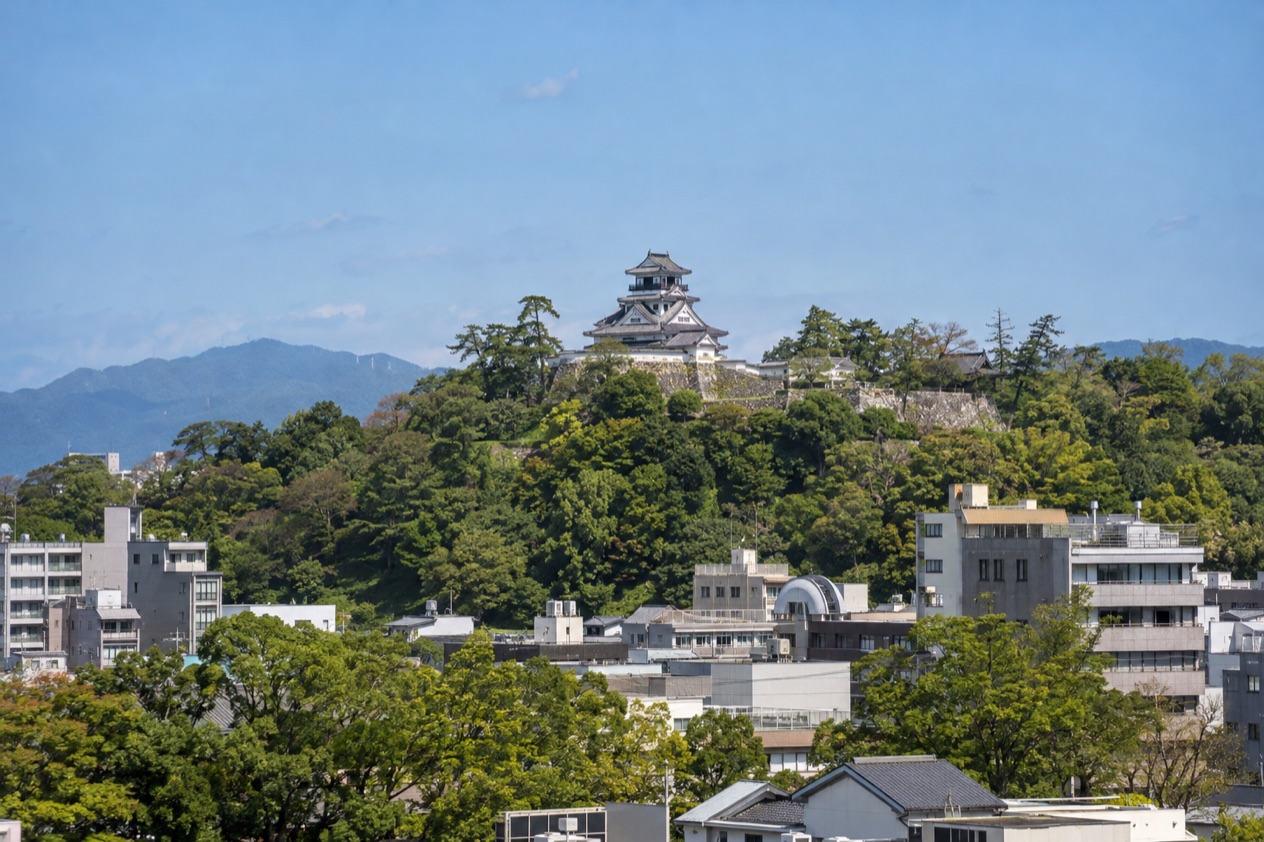
Where is Kochi and what is it like?
Kochi is a city on the Pacific Ocean in Shikoku, the smallest of Japan’s four main islands, and it is the capital of Kochi Prefecture. It faces open ocean rather than the calm Inland Sea that borders much of the rest of the island, and that exposure shapes everything from its seafood to its reputation for a frank, easygoing character.
That makes it a place with real urban life, with shopping arcades, streetcars and a busy evening scene, yet it never feels like the sprawling metropolises of Honshu. Streets are wide, the pace is relaxed, and conversation at a bar counter tends to start without any introduction.
The city is best known for its food and its castle, and both reward a slow approach. Locals take pride in drinking and in eating well, and the people of Kochi are often described by other Japanese as open-hearted and fond of a party. Expect a city built around meals, markets and long evenings rather than a single headline sight.
Who will love it? Food-minded travelers, anyone building a trip around Shikoku, and people who like a city that is easy to read in a couple of days. Who may not? Travelers who want a dense list of world-renowned temples and gardens, or a nightlife of neon towers, will find Kochi quieter and more local in its pleasures. It rewards curiosity more than ambition.
What is there to do in Kochi?
The big reasons to come are a castle that survived with its original wood, a market built for eating, and the bonito that has become the symbol of the city. What sets Kochi apart from its neighbors on Shikoku is that these pleasures sit close together and work as a single, very satisfying day.
Kochi Castle
Kochi Castle is one of the few castles in Japan that still has its original wooden structure, dating from the early 18th century. It is also the only castle in Japan to have preserved both its original keep and the palace of its former feudal lords. The castle exists in its pre-restoration form, which means the timber, the steep interior stairs and the worn floors are the real thing rather than a concrete replica.
It is a 20-minute walk from JR Shikoku Kochi Station, so the visit slots naturally into the day you arrive or leave. Inside, you move through the keep and the palace halls, then look out over the rooftops of the city from the upper floor. Wear shoes that slip on and off easily, since interiors of this kind often ask you to remove them.
Hirome Market and the food of Kochi
At Hirome Market, visitors can buy food and drinks from dozens of stalls offering local specialties. The format is part of the fun: you collect plates from different counters, then settle at shared tables in the middle of the hall, where grilled fish, fried snacks, rice dishes and cold beer arrive in an informal tumble.
The star order is katsuo tataki, the dish most closely tied to Kochi. Bonito is lightly seared and seasoned, traditionally over a straw fire, so the outside is smoky while the center stays tender. It comes with sliced garlic, ginger, scallions and citrus-based sauce or salt, and it is a good reason to arrive hungry. Try it alongside local sake, a drink the region takes seriously.
Shikoku’s Pacific coast, rivers and history
Beyond the center, Kochi opens onto a long Pacific coastline and a countryside of forested hills and clear-running rivers. Travelers who rent a car or take regional transport can follow the coast for beaches, fishing harbors and cliffside lookouts, or head upriver toward the Shimanto area, a name that carries a reputation for natural beauty.
History runs through the region too. Kochi is closely associated with Sakamoto Ryoma, a late Edo-period figure whom many Japanese regard as a hero, and statues and museums pay tribute to him. Even if you know little about the era, the stories add color to a walk along the waterfront or a pause in a castle garden.
How many days do you need in Kochi?
A weekend is enough to see the heart of Kochi, and a few more days let you stretch toward the coast and the rivers. The core of the city is a pairing of castle and market, and both can be seen in a single day with time for a long meal.
With two days, give the first to the castle and the surrounding streets, then end with dinner at Hirome Market. Use the second for a weekend market stroll, a walk along the waterfront, or a gentle wander through the shopping arcades where you can pick up local snacks and sweets. Kochi is a city where an unplanned hour in a bar often turns into the best part of the trip.
With three or four days, the surrounding region becomes the draw. Think of a day on the Pacific coast with its beaches and headlands, a day along a river valley, or a night in a small coastal town where the seafood is simpler and the evening is quiet. Kochi also works as a stop between other parts of Shikoku, so many travelers fold it into a longer loop around the island.
If you are short on time, prioritize in this order: the castle, the market meal, then a slow walk through the center. Everything else is a bonus that rewards a longer stay and a taste for the unhurried.
Where to stay in Kochi
The most practical base is the area around JR Shikoku Kochi Station, since the castle is a 20-minute walk from the station and the rail and bus connections start there. Staying near the station suits travelers arriving by bus from Okayama and anyone continuing the trip by rail the next morning.
The central streets near the castle and the market suit those who want to walk to dinner and back. This part of town is the place for evenings: izakaya (casual pubs serving small plates), bars with a counter and a chalkboard menu, and the shopping arcades that stay busy after dark. A room here means you can linger over the second round without worrying about the last connection.
For a quieter stay, look toward the coast or the river valleys outside the city. A small inn or guesthouse in the countryside suits travelers with a car, a taste for early starts and a wish to eat what the local fishermen and farmers bring in. Some inns here serve evening meals built around the day’s catch, which is a good match for a region known for its seafood.
Think about what shapes your trip. If you are crossing Shikoku in one go, a hotel by the station keeps things smooth. If you are in Kochi for the food and the atmosphere, stay in the center and let your feet do the work. If you want silence and a view of the Pacific, go beyond the city and treat Kochi as a day out.
How do you get to Kochi and get around?
The route by train and bus runs through Okayama: take the Tokaido-Sanyo Shinkansen to Okayama Station, then from the west side of Okayama Station take the JR Shikoku bus to Kochi. This links Kochi to the main Shinkansen line of Honshu, which makes it reachable from cities such as Tokyo, Kyoto and Osaka with one change.
Once you arrive, the historic center rewards walking. Kochi Castle is a 20-minute walk from JR Shikoku Kochi Station, and from the castle area the market and the main streets lie within the city’s central core. Walking lets you stumble on small shrines, tea shops and food stalls you would miss from a window.
The city is also known for its streetcars, which run through the center and add a bit of old-fashioned charm to getting around. Buses and taxis fill the gaps, and travelers who want to explore the coast and the river valleys often turn to a rental car, since the sights beyond the city are spread out. A car also lets you stop at roadside markets and fishing harbors on a whim.
Plan your days so that the in-town sights, which are within walking range, are grouped together, and treat the countryside as its own separate outing. That rhythm of walking days and driving days suits Kochi well.
When is the best time to visit Kochi?
Autumn is a very good moment to visit, and October into November suits a trip built around eating and walking. This is a season when the bonito that Kochi is known for is on every menu, the outdoor stalls and castle grounds are pleasant for strolling, and the heat of summer has eased.
Spring is the other natural pairing for a walking trip, when gardens and parks around the castle come into bloom. Summer is hot and humid on the Pacific side of Shikoku, and the rainy season and typhoon months can bring heavy downpours, so build slack into a summer itinerary and keep indoor stops such as the market hall in reserve.
The city’s big festival is the Yosakoi Festival, usually held in August, when teams in bright costumes dance through the streets to rhythmic music and the whole center turns into a stage. It is lively and joyful, and it is also a time when rooms and transport can be in demand, so plan ahead if you want to be there. Winter is mild by comparison with northern Japan, and the market and its warm dishes make the cooler months pleasant for travelers who prefer calm streets.
Good to know before you go
Kochi is a city where the market and many small restaurants set the rhythm of the day, so come with an appetite and a sense of curiosity. Typhoon season in Japan runs through the late summer and early autumn, and a storm can disrupt buses and trains, so keep a flexible plan for travel days in those months. Shoes come off at the entrance of many traditional buildings, and a slip-on pair makes castle and temple visits smoother.
Sources
- Japan National Tourism Organization, Kochi (https://www.japan.travel/en/destinations/shikoku/kochi/kochi-and-around/), checked October 11, 2026
- Wikipedia, Kōchi, Kōchi (https://en.wikipedia.org/wiki/K%C5%8Dchi,_K%C5%8Dchi), checked October 11, 2026
- Wikivoyage, Kochi (https://en.wikivoyage.org/wiki/Kochi), checked October 11, 2026
- Wikipedia, Kōchi Castle (https://en.wikipedia.org/wiki/K%C5%8Dchi_Castle), checked October 11, 2026
To plan your stay
- Best Time to Visit Japan: Cherry Blossoms, Autumn Colors, Weather and Festivals
- Where to Stay in Japan: Ryokan, Temple Stays, Capsule Hotels and the Best Cities to Base In
- Sending Luggage from the Airport in Japan: Hands-Free Travel, Hotel Delivery and Coin Lockers
- Know Before You Go to Japan: Entry, Money, Etiquette and Getting Around