
In Asahikawa, a polar bear plunges toward a lump of food while spotted seals glide in a clear tunnel overhead, and the children pressed against the glass go silent. Outside, the city sits among hills and rivers, with sake brewed in town and a craft tradition that earned it a UNESCO title. It is a northern Hokkaido city for travelers who like animals, design, a cup of sake and a base for the mountains and gorges beyond.
Where is Asahikawa and what is it like?
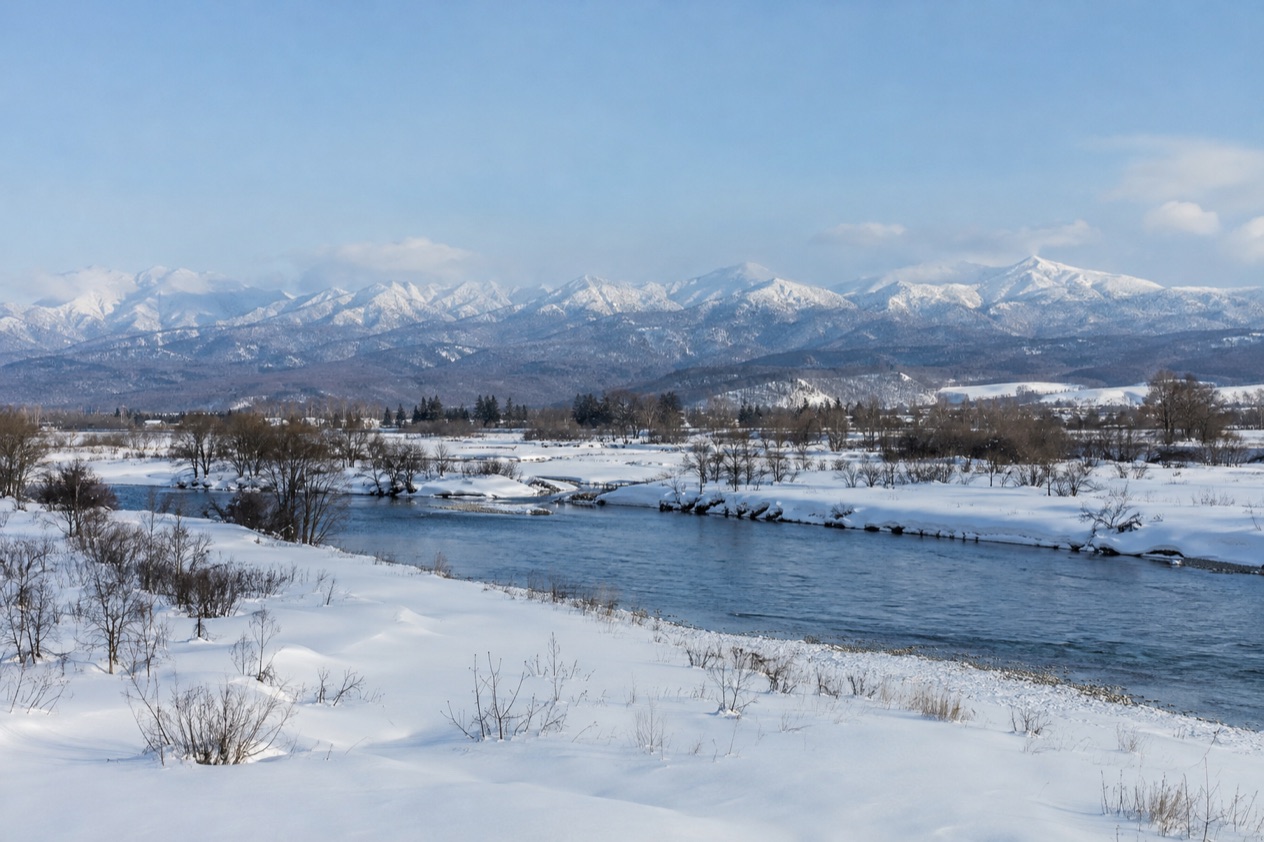
Asahikawa lies in Kamikawa Subprefecture in the north of Hokkaido, northwest of the Daisetsuzan mountain range, and it is the second-largest city on the island after Sapporo. It stands at the meeting point of four rivers, ringed by hills, and more than 100 rivers run through the city in all. The water gives the place its character: bridges, riverbanks and open sky rather than a canyon of towers.
This is a working city with a good deal of culture rather than a resort. It has a zoo that draws visitors from across the country, a sake brewery you can walk through, and a craft scene that has made furniture, woodwork and design part of everyday life. The pace is that of a regional center, with a station at its heart and the mountains a presence on the horizon.
Asahikawa also has a place in weather history. On January 25, 1902, the city recorded −41 °C (−41.8 °F), the lowest temperature in Japanese history. That single reading tells you what winter means here, and it explains why the city celebrates the cold with a festival rather than hiding from it.
The city suits travelers who like to base themselves somewhere real and then head out to nature. It is a gateway for the Sounkyo Gorge and the Furano area, so people who want a lively nightlife scene or a long beach stretch will find other parts of Japan more to their taste. Those who enjoy animals, crafts, a bowl of ramen and a quiet evening by a river will feel at home.
There is no sea in the picture here. Asahikawa is a town of valleys, hills and rivers, and the landscape around it is one of mountains, gorges and farmland. The distinct identity is that of an inland Hokkaido city, which gives a very different trip from Sapporo or the coast.
What is there to do in Asahikawa?
The reasons to come are the zoo, the sake, the design and craft culture, and the role of the city as a launching point for the north of Hokkaido. Together they make Asahikawa a destination in its own right and not just a train stop between two bigger names.
Asahiyama Zoo
Asahiyama Zoo opened in 1967 and is the northernmost zoo in Japan, and it remains one of the main attractions of the city. It is built around watching animals in motion rather than looking at them through bars. The polar bear enclosure lets you see the bears diving for food, and a large transparent tunnel lets you watch spotted seals swimming above your head.
It suits families, couples and anyone who likes animals, and it is worth giving a good part of a day. Pair it with a ramen lunch in town afterward. Hours and admission are not given here, so confirm them before you go.
Otokoyama Sake Brewing Museum
Sake is the gentler side of Asahikawa. Inside, you learn how rice and water become the clear drink served warm or chilled across Japan.
The tasting lets you compare how different styles smell and taste, from dry and crisp to softer and rounder. It pairs naturally with an izakaya (a casual Japanese pub) dinner in the evening, where small plates of grilled fish, pickles and fried chicken come one after another.
Design, crafts and the rivers
UNESCO named Asahikawa a Design City in its Creative Cities Network on October 31, 2019, and the arts and crafts culture here is real, not a slogan. Workshops, furniture makers and shops carry on a tradition of wood and design, and the many rivers make a good setting for an unhurried walk across the bridges.
This is the part of the city for people who like to browse, pick up a handmade object and talk to the person who made it. It rewards slow wandering more than a checklist.
A gateway to Sounkyo Gorge and Furano
Asahikawa is an ideal gateway for exploring the Sounkyo Gorge and the Furano area, and that is a big part of its appeal. You can sleep in a city with restaurants and a station, then head out to the gorge or the fields and mountains around Furano. Travel times and routes are not given here, so plan them separately.
Compared with its neighbors, Asahikawa offers more in town than a simple stopover and more daily comfort than a mountain village. It makes a sensible base when you want both a city evening and a day in the landscape.
How many days do you need in Asahikawa?
A long weekend is enough to see the city itself, and a few more days let you add the gorge and Furano. The city has a clear short list of things to do, so there is no need to stretch it.
In a short stay, spend one day at Asahiyama Zoo, watching the polar bears dive and the seals swim overhead. A bowl of Asahikawa ramen, a soy-based style well known across Japan, fits in naturally at lunch or dinner.
With more time, use Asahikawa as a base for day trips. The Sounkyo Gorge and the Furano area are the two outings that make the most sense from here, and each can fill a day of its own. The Daisetsuzan mountain range lies southeast of the city and gives the whole region its mountain backdrop.
If you come in winter, build your days around the Asahikawa Winter Festival at the start of February. It changes the rhythm of the visit, because the festival and the cold become the main event rather than a backdrop.
Where to stay in Asahikawa
The practical place to stay is around Asahikawa station, because it is the reference point for the city and the end of the airport bus. Staying near it keeps your arrival simple and makes it straightforward to set out for the zoo, the sake museum or the rivers. The details of individual neighborhoods are not given here, so this is guidance by landmark rather than by district.
If your trip is built around the Winter Festival, look toward the north of the city, where Tokiwa Park and the Asahibashi bridge mark the festival site. Staying closer to that side puts the winter scene within reach of your room.
Travelers who want to use the city as a base for the Sounkyo Gorge or the Furano area will do best choosing a place that suits an early start. That generally means staying in the city center rather than out in the hills, though room types, prices and ryokan (traditional inns) are not detailed here.
A river view, a quiet street or a room near the craft shops are all matters of taste. Whatever you choose, treat the station as the anchor and plan your days outward from it.
How do you get to Asahikawa and get around?
The way in by air is Asahikawa Airport, which serves flights to Tokyo Haneda, with seasonal flights to Taipei every Tuesday. From the airport, a 30-minute bus ride takes you to Asahikawa station. That makes the arrival straightforward for anyone landing from Tokyo.
Once in the city, the station is the center of your movements. The zoo, the sake museum and the Winter Festival site at Tokiwa Park are the places visitors head for, and the rivers and bridges give you a pleasant frame for walking between nearby spots. Bus routes, fares, taxi costs and travel times between sights are not given here, so plan those on arrival.
For the Sounkyo Gorge and the Furano area, you leave the city and travel out, and the routes and durations are not given here. Treat each as a full outing and plan your return to Asahikawa as your base for the night.
If you are arriving in winter, expect the cold to shape how you move. This is a city that has recorded the lowest temperature in Japanese history, so a trip in the colder months calls for planning around the weather.
When is the best time to visit Asahikawa?
February is the month with the strongest reason to come, because the Asahikawa Winter Festival is held at the start of the month in Tokiwa Park, north of the city near the Asahibashi bridge. It turns the cold into a celebration, and it is the clearest event on the calendar for visitors.
Winter is serious here. On January 25, 1902, Asahikawa recorded −41 °C (−41.8 °F), the lowest temperature in Japanese history, and January and February are the months when that northern cold is most present. Travelers who love snow and winter scenes will find it a setting worth the trip, while those who dislike the cold should look at other seasons.
Outside the winter festival, the city works as a base for the zoo, the sake museum and the day trips to the gorge and Furano. No figures for monthly temperatures, rain or crowds are given here, so there is no honest ranking of the other months. The reasons to come are the same through the year: animals, sake, crafts and the mountains behind the city.
If you want the festival, plan for early February and arrive with the cold in mind. If you want the zoo and the city at your own pace, choose the season that suits your tolerance for the weather and build around the rivers and the countryside.
Good to know before you go
The Otokoyama Sake Brewing Museum offers a free visit and tasting, so that stop costs nothing to add to your day. Asahikawa is a city built on rivers and hills, so plan for walking near water and for the cold if you come in winter. Hours, admission and bus fares are not given here, so confirm them for the zoo and local transport once you arrive.
Sources
- Japan National Tourism Organization, Asahikawa (https://www.japan.travel/en/destinations/hokkaido/hokkaido/asahikawa-and-hokkaido-north/), checked October 11, 2026
- Wikipedia, Asahikawa (https://en.wikipedia.org/wiki/Asahikawa), checked October 11, 2026
- Wikivoyage, Asahikawa (https://en.wikivoyage.org/wiki/Asahikawa), checked October 11, 2026
- Wikipedia, Asahiyama Zoo (https://en.wikipedia.org/wiki/Asahiyama_Zoo), checked October 11, 2026
To plan your stay
- Best Time to Visit Japan: Cherry Blossoms, Autumn Colors, Weather and Festivals
- Where to Stay in Japan: Ryokan, Temple Stays, Capsule Hotels and the Best Cities to Base In
- Sending Luggage from the Airport in Japan: Hands-Free Travel, Hotel Delivery and Coin Lockers
- Know Before You Go to Japan: Entry, Money, Etiquette and Getting Around